

Choosing Replacement Brake Pads for the 2003-2007 Toyota Camry
Get the right brake pads for your Camry to ensure quiet, reliable stopping power.
- For most drivers, high-quality ceramic aftermarket pads from brands like Akebono, Advics, or Bosch offer the best balance of performance and value.
- Always inspect your brake rotors when changing pads and replace them if they are warped, grooved, or below the minimum thickness specification.
- A high-pitched squeal is a warning to get your brakes checked soon; a grinding noise means you should stop driving and have them serviced immediately.
- Replacing brake pads on this Camry is a manageable DIY job, but if you are unsure, professional installation is the safest option.
Signs Your Camry's Brake Pads Are Worn
Your Toyota Camry will give you clear signals when its brake pads are nearing the end of their life. The most common sign is a high-pitched squealing noise when you apply the brakes. This sound comes from a small metal tab called a wear indicator, which is designed to contact the brake rotor when the pad material gets too thin.
If you ignore the squealing, it will eventually turn into a loud grinding noise. This is a serious warning that the pad material is completely gone, and the metal backing plate is grinding against the rotor. Continuing to drive at this point can cause expensive damage to your brake rotors and calipers. Other symptoms of worn brake pads include a vibrating or pulsating feeling in the brake pedal or steering wheel when you stop, or noticing that it takes longer to stop than it used to.
OEM vs. Aftermarket Pads
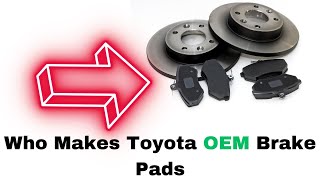
When replacing your brake pads, you have two main choices: Original Equipment Manufacturer (OEM) pads from a Toyota dealer, or aftermarket pads from various other brands. Toyota does not make its own pads but uses suppliers like Akebono and Advics. 🎬 Watch this video to learn who makes Toyota brake pads. These OEM pads are typically made from ceramic materials, known for being quiet, producing little dust, and having a long life.
Aftermarket pads offer a wider range of choices in terms of price and performance. Many high-quality aftermarket brands provide pads that meet or exceed OEM standards, often at a lower cost. For a daily driver like the 2003-2007 Camry, a good set of aftermarket ceramic pads from a reputable brand is an excellent choice that balances performance, quiet operation, and value.
| Tier | Brands | Characteristics |
|---|---|---|
| OEM-Equivalent & Premium | Akebono, Advics, Bosch, Brembo, Centric, Raybestos, Wagner | These brands often supply Toyota directly or are known for high-quality materials that provide quiet, reliable stopping similar to the original factory pads. They are a safe bet for restoring original performance. |
| Performance & Heavy-Duty | EBC Brakes, Hawk Performance, Powerstop, StopTech | Designed for drivers who want increased stopping power. These pads, often ceramic or semi-metallic, can offer shorter stopping distances but may produce more dust or noise than OEM-style pads. Powerstop kits are a popular all-in-one option. |
| Economy & Standard | Dynamic Friction, Pronto, Total Stopping Solutions, Beck Arnley | These brands provide a functional, budget-friendly option. While they will stop your car safely, they may not last as long or be as quiet as premium-tier pads. |
Known Issues, Recalls, and Service Bulletins
For the 2003-2007 Toyota Camry, there are no major recalls specifically for the disc brake pads. Searches for recalls on the National Highway Traffic Safety Administration (NHTSA) website show brake-related recalls for much newer Camry models (2018-2019) concerning a vacuum pump issue, which does not apply to this generation. Some owners have reported a "soft" or spongy brake pedal feel, but this is often related to the need for brake fluid flushing or other system adjustments rather than the pads themselves. Toyota has issued Technical Service Bulletins (TSBs) for various models, including the Camry, regarding potential groan or squeak noises from certain brake pads, but these are not safety recalls.
Frequently Asked Questions (FAQ)
Do I need to replace my rotors with my brake pads?
It is highly recommended to either replace or resurface your brake rotors when you install new pads. If your rotors are warped (causing a vibration when braking), scored, or worn below their minimum thickness, they must be replaced. Installing new pads on old, worn rotors can cause noise, reduce braking performance, and wear out the new pads unevenly.
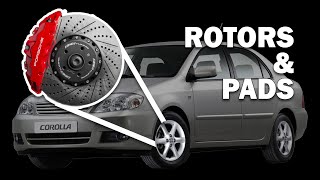
🎬 Follow this guide to replace both your rotors and pads.What is the difference between ceramic and semi-metallic pads?
Ceramic pads are the most common choice for daily drivers like the Camry. They are known for being very quiet, producing minimal brake dust, and offering a long service life. Semi-metallic pads contain metal fibers and offer excellent heat dissipation and stopping power, making them a good choice for heavier vehicles or more aggressive driving, though they can be noisier and dustier.
How much does it cost to replace the brake pads on a 2003-2007 Camry?
The cost can vary widely. A set of aftermarket front brake pads can range from approximately $25 to over $100, depending on the brand and quality. If you have a shop perform the work, you can expect to pay between $100 and $200 in labor per axle. Replacing both pads and rotors will increase the total cost.
Can I replace the brake pads myself?
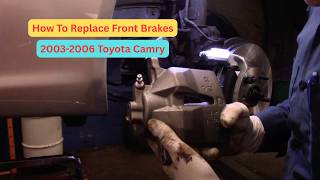
Yes, replacing the brake pads on a 2003-2007 Camry is a common DIY job for someone with basic mechanical skills and the right tools. The front brakes on this model are particularly straightforward. 🎬 See how to change the brake pads on your Camry. However, brakes are a critical safety system, so if you are not confident in your ability, it is best to have the work done by a professional mechanic.
Helpful Videos

Technical Specifications
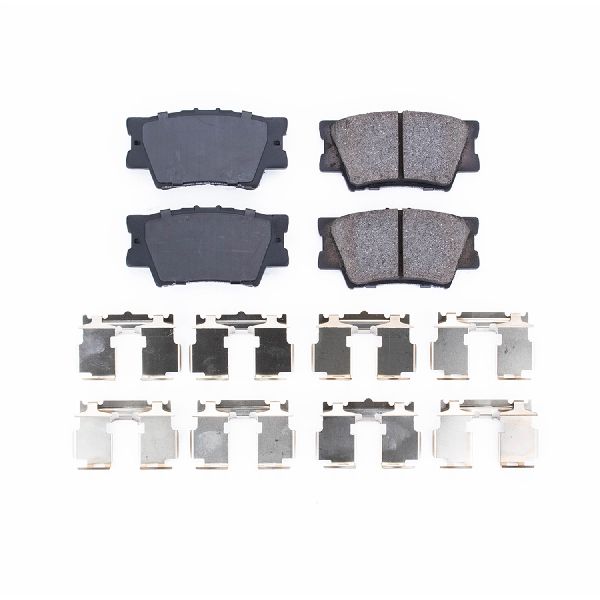
OEM Part Numbers: 04465-06100 04465-07010 04465-33471 04465-AZ116
The 2003-2007 Toyota Camry uses a floating caliper design. The original pads are typically a ceramic friction material. The front caliper is held by two 14mm bolts, and the bracket is held by two 17mm bolts.
We Have This Part in Stock


The information in this article is provided for general reference and educational purposes only. Vehicle specifications, procedures, and part compatibility can vary by production date, trim level, and region. Always consult your vehicle's factory service manual and verify part numbers before purchasing or performing repairs. Safety-critical components such as airbags, seat belts, and braking systems should be installed by a qualified professional.
- Toyota Camry: