

Toyota Camry Engine Mounts: A Guide for the 2003-2007 Models
Experiencing vibrations or clunking noises? Your engine mounts might be the cause.
- The 2003-2007 Camry has four main mounts; it's best to replace them all at once.
- OEM mounts offer the best ride quality and longevity but are expensive; aftermarket mounts can cause vibration and fail early.
- The most common symptom of failure is a strong vibration at idle when the car is in gear.
- The upper 'dog bone' mount is the easiest to replace and often the first to fail.
Symptoms of a Failing Engine Mount

When your Camry's engine mounts start to fail, the signs are hard to ignore. Because the mounts are designed to absorb vibration, a bad mount will do the opposite. You'll feel more of what the engine is doing.
- Excessive Vibration: This is the most common symptom. You'll feel a deep vibration through the steering wheel, floor, and seats, especially when the car is idling in 'Drive' or 'Reverse'. The vibration often gets better when you shift into Neutral or Park.
- Loud Noises: A loud 'clunk' or 'bang' when you shift gears (from Park to Drive, for example) is a clear sign. This is the sound of the engine shifting in the engine bay because the mount can no longer hold it steady. You might also hear knocking sounds when going over bumps.
- Engine Movement: If a mount is completely broken, the engine can move or lurch during acceleration. You can check for this by having a helper safely rev the engine slightly with the brake on while you watch the engine (from the side of the car, not the front). If the engine lifts or rocks more than an inch or two, the mounts are likely bad. 🎬 Watch: How to diagnose and test for faulty motor mounts
A Note on the 2007 Model Year
The 2003-2007 Camry model range spans two different vehicle generations. The 2003-2006 models are the 'XV30' generation, while the 2007 model is the first year of the 'XV40' generation. While they share similar engine mount problems and layouts, the parts are not interchangeable. Always confirm your vehicle's year before ordering parts.
Choosing the Right Aftermarket Mount: OEM vs. Aftermarket

When it comes to engine mounts for this generation of Camry, there is a strong consensus among Toyota mechanics and experienced owners: Original Equipment (OEM) mounts from Toyota provide the best performance for smoothness and longevity. However, they are also the most expensive option. Aftermarket mounts offer significant cost savings, but quality can vary widely. Many owners report that cheap aftermarket mounts cause persistent vibration issues, don't fit correctly, and fail quickly—sometimes within months.
Aftermarket Brand Tiers
Based on owner experiences and general reputation, aftermarket brands for your Camry can be grouped into tiers:
- Tier 1 - Premium Aftermarket (Closer to OEM): Beck/Arnley is often considered a higher-quality aftermarket option. They are known as a 're-boxer', sometimes providing the exact same part as the OEM in their own box. However, experiences can be mixed, with some users receiving parts made in different countries that did not resolve vibration issues. It's a better bet than budget brands, but not a guarantee of OEM quality.
- Tier 2 - Standard Aftermarket: Brands like Westar, DEA, and MTC fall into this category. They are affordable and widely available. Some users find they get the job done for a few years, while others report fitment issues and a harsher ride compared to the original mounts. These are a budget-conscious choice, but be prepared for a potential compromise in ride quality.
- Tier 3 - Economy Aftermarket: Anchor is a well-known economy brand. While very affordable, many Camry owners report poor experiences, with mounts failing in less than a year and causing significant vibration. Some users have also reported fitment problems requiring modification to install. This brand is generally recommended only if you plan to sell the car soon.
Pro Tip: If you must use aftermarket mounts, many owners suggest using an OEM mount for the main passenger-side hydraulic mount and using aftermarket for the others, like the 'dog bone' torque strut, to save money without sacrificing as much ride quality.
Cost to Replace Toyota Camry Engine Mounts

| Part/Service | Estimated Cost |
|---|---|
| New Aftermarket Mounts (Full Set) | $150 - $350 |
| New OEM Mounts (Full Set) | $600 - $900+ |
| Shop Labor | $300 - $750+ |
Frequently Asked Questions

How many engine mounts does my 2003-2007 Camry have?
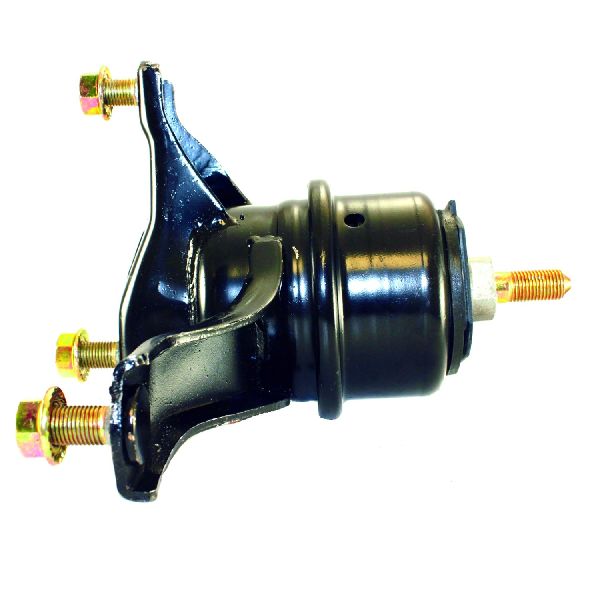
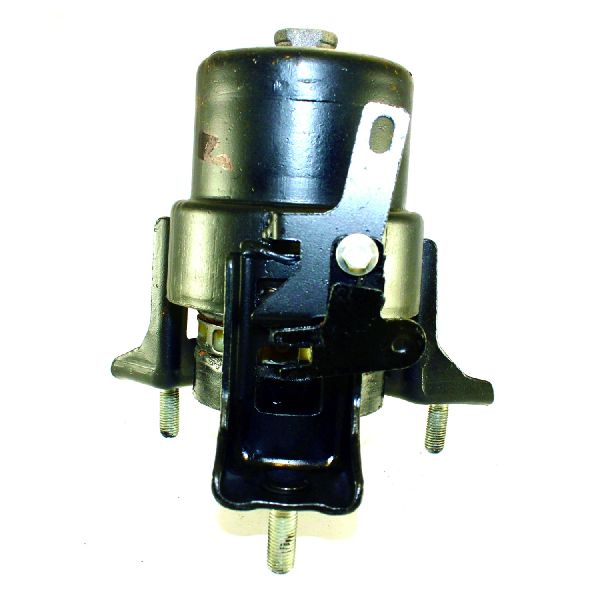
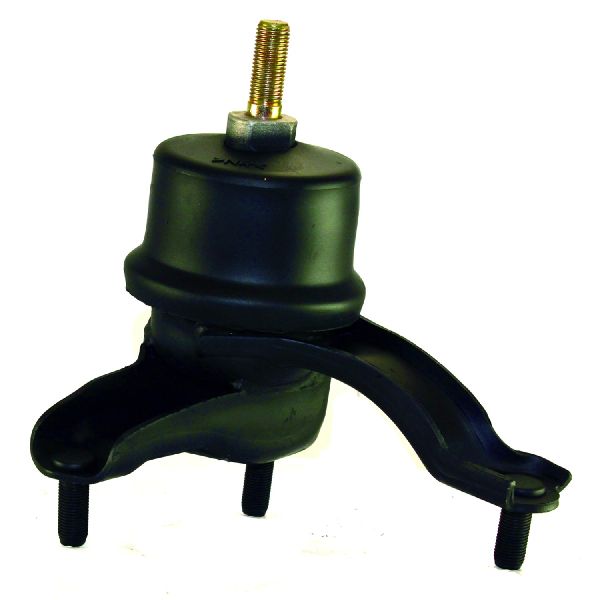
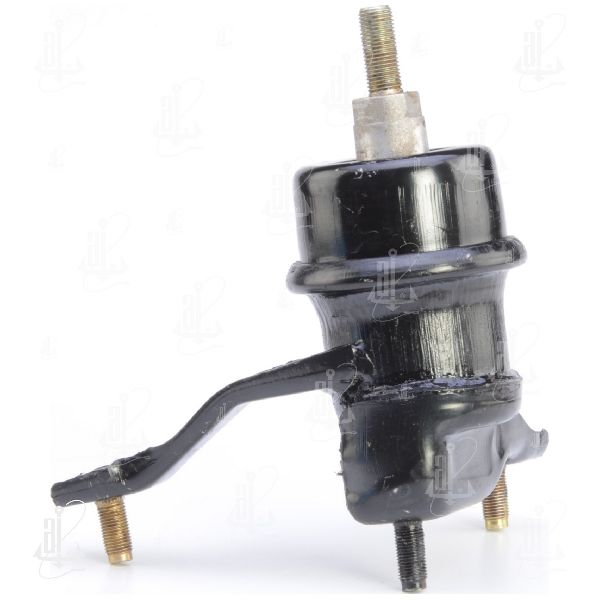
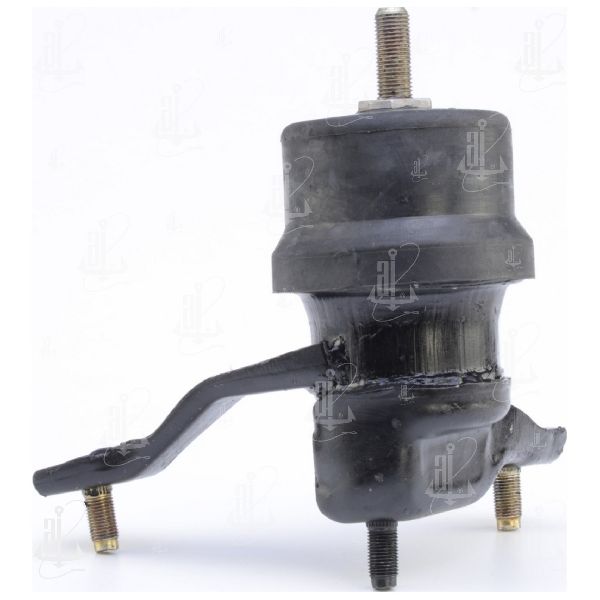
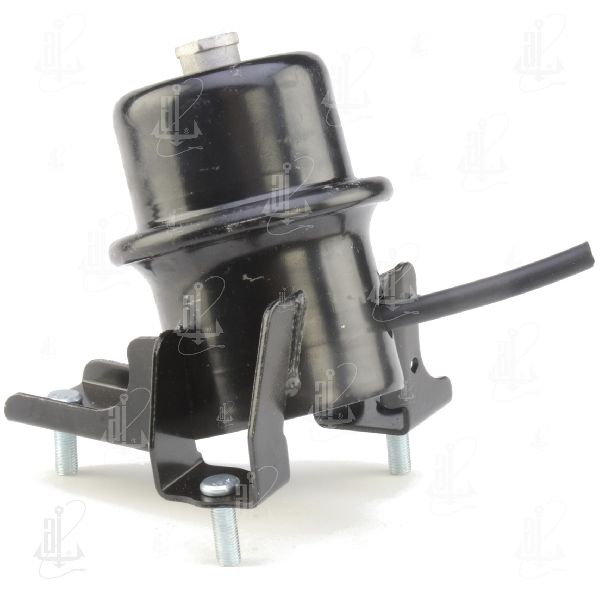
Your Camry has a total of four mounts that hold the engine and transmission. This includes a passenger side engine mount, a driver side transmission mount, a front engine mount, and an upper torque strut mount (also called a 'dog bone').
Should I replace all the mounts at once?
Yes, it is highly recommended. When one mount fails, it puts extra stress on the remaining mounts, causing them to wear out faster. Replacing them as a set ensures a lasting repair and restores the proper balance 🎬 Watch a full motor mount replacement on a 2003 Camry and vibration absorption.
Can I replace the engine mounts myself?
Yes, this is a feasible DIY project for someone with mechanical experience and the right tools. You will need a good socket set, a floor jack to support the engine, and jack stands. The upper 'dog bone' mount is very easy to replace, often taking only a few minutes. The other mounts are more involved and may require removing wheels or lowering the subframe slightly for access.
Are there any recalls for the 2003-2007 Camry engine mounts?
No, there are no specific recalls for engine mounts on the 2003-2007 Toyota Camry according to NHTSA data. Failures are generally due to age and wear.
What is the 'dog bone' mount?
The 'dog bone' is a common name for the upper torque strut mount. It looks like a dog bone and its job is to control the forward and backward rocking motion of the engine during acceleration and deceleration. It is usually the first mount to fail and is the easiest to inspect and replace.
Helpful Videos
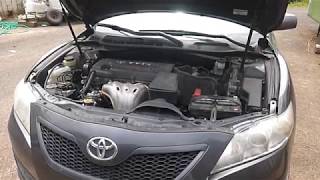
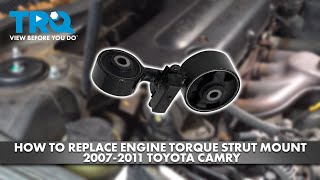
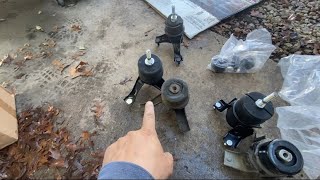
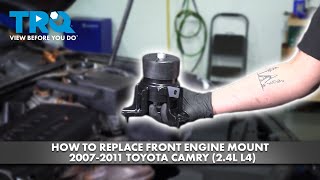
Technical Specifications
OEM Part Numbers: 12361-28110 12372-28020 12362-28100 12309-28070
The 2003-2006 Camry (4-cylinder) uses a set of four mounts: a hydraulic passenger side mount, a front mount, a transmission mount, and an upper torque strut. The 2007 model uses a different set of parts.
We Have This Part in Stock

The information in this article is provided for general reference and educational purposes only. Vehicle specifications, procedures, and part compatibility can vary by production date, trim level, and region. Always consult your vehicle's factory service manual and verify part numbers before purchasing or performing repairs. Safety-critical components such as airbags, seat belts, and braking systems should be installed by a qualified professional.
- Toyota Camry: