

Volvo XC90 Engine Coolant Temperature Sensor Guide (2003-2007)
Understand, diagnose, and choose the right replacement Engine Coolant Temperature Sensor for your first-generation XC90.
- A failing ECT sensor on your XC90 will most likely cause a Check Engine Light, poor fuel economy, and rough running.
- Replacement is a simple DIY task, with the sensor located on the thermostat housing for most engines in this year range.
- Choosing a quality aftermarket brand like Hella, Vemo, or Beck Arnley is a safe bet; avoid the cheapest options like URO Parts for this critical sensor.
- It is highly recommended to replace the thermostat at the same time as the sensor to address potential related issues.
Is Your XC90's Coolant Sensor Failing?
A bad Engine Coolant Temperature (ECT) sensor can cause confusing problems that seem unrelated. Because the sensor's reading affects so many systems, a false signal can make the engine behave poorly. If the sensor incorrectly tells the computer the engine is cold, it will inject too much fuel, a condition known as "running rich."
Common Symptoms of a Bad ECT Sensor:
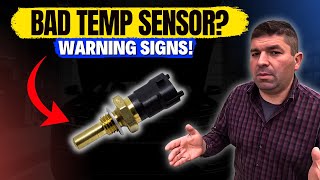
🎬 Watch: 8 common symptoms and what replacement usually costs.- Check Engine Light: The most common sign. The computer will log a fault code when it detects a problem with the sensor's signal.
- Poor Fuel Economy: If the sensor is stuck reading cold, the ECM will continuously enrich the fuel mixture, wasting gas.
- Black Smoke from Exhaust: This is a sign of unburnt fuel from a rich mixture, which can be caused by a faulty sensor telling the ECM the engine is always cold.
- Rough Idling or Stalling: An incorrect fuel mixture can make the engine run poorly, especially when idling.
- Engine Overheating: A failed sensor might not signal the cooling fans to turn on when needed, causing the engine to overheat.
- Inaccurate Temperature Gauge: The gauge on your dashboard may read too high, too low, or not move at all.
Known Issues for 2003-2007 Volvo XC90
While there are no specific recalls for the ECT sensor on the 2003-2007 XC90, Volvo did issue a Technical Service Bulletin (TSB) for a "signal too high" DTC related to the sensor. This suggests that electrical faults or sensor failure are known issues. It's also common for owners to replace the thermostat at the same time as the sensor, as a failing thermostat can cause similar symptoms.
Choosing the Right Aftermarket Sensor
When replacing your ECT sensor, you have a choice between Genuine Volvo parts and a wide range of aftermarket brands. For a critical sensor like this, quality matters. A cheap, inaccurate sensor can cause the same problems as a broken one.
| Brand Tier | Brands | General Quality & Price |
|---|---|---|
| OEM-Quality Aftermarket | Hella, Vemo, Beck Arnley, NGK, Standard Ignition (SMP) | These brands are often original equipment suppliers to various manufacturers. They offer high quality and reliability, often comparable to Genuine Volvo, but at a lower price. Forum users often have good experiences with VDO (a brand sometimes re-boxed by others) and Beck Arnley, though Beck Arnley can be hit-or-miss as they re-box parts from various sources. |
| Mid-Tier Aftermarket | CRP, Facet, Four Seasons, Walker Products | These brands provide a balance of affordability and acceptable quality. They are a decent option for budget-conscious repairs, but may not have the same longevity or precise calibration as top-tier brands. |
| Economy Brands | URO Parts, Global Parts | These are typically the most affordable options. However, brands like URO Parts have a reputation for inconsistent quality, with some parts failing prematurely or not working correctly out of thebox. While a URO sensor might work, it's a gamble for such a critical component. Using them for non-critical parts is less risky. |
Pro Tip: Where is the Sensor Located?
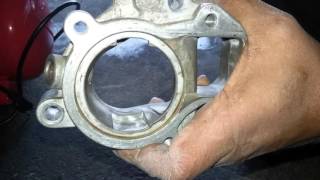
On the 5-cylinder and 6-cylinder engines found in the 2003-2007 XC90, the ECT sensor is typically located on the thermostat housing. 🎬 See this walkthrough for the housing and sensor location. This makes replacement relatively straightforward, though access can be tight. You will likely need to drain some coolant before starting the job.
Frequently Asked Questions (FAQ)
Can I replace just the sensor or do I need the whole thermostat housing?
For the 2003-2007 XC90, you can typically replace just the sensor. However, since the thermostat and sensor are located together and can cause similar issues, many mechanics and experienced owners recommend replacing both at the same time to avoid doing the job twice.
🎬 Watch: How to replace the thermostat on your XC90.Is this a difficult DIY job?
For someone with basic mechanical skills, this is a very feasible DIY job. It involves locating the sensor, disconnecting the electrical connector, and unscrewing the old sensor. You'll need a socket set and may need to drain a small amount of coolant. The difficulty is low, estimated at about 0.5 to 1 hour.
Are there any recalls for the cooling system on this XC90?
There are no recalls for the ECT sensor itself for the 2003-2007 models. A recall for a coolant hose leak that could cause a fire risk was issued for the 2016 XC90, which is a different generation. Always check for recalls specific to your vehicle's VIN on the NHTSA website.
What happens if I ignore a bad coolant sensor?
Ignoring a bad ECT sensor can lead to more serious problems. Persistently running rich can damage the catalytic converter over time. More critically, if the sensor fails to detect an overheating engine, it can lead to severe internal engine damage from overheating.
Helpful Videos


Technical Specifications
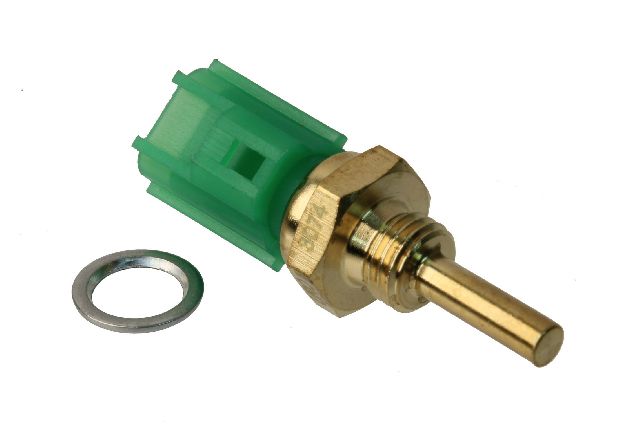
OEM Part Numbers: 8653103 30646713 30874172
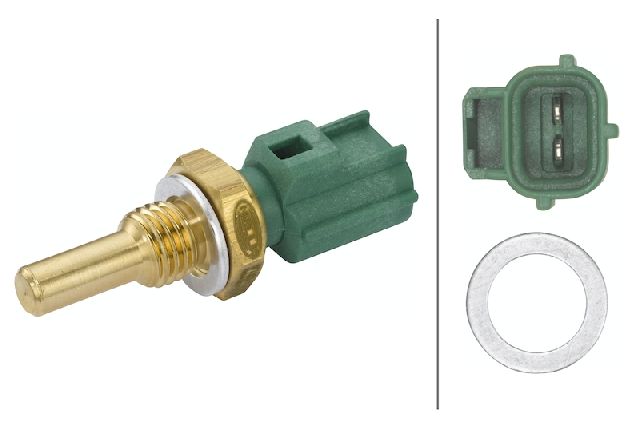
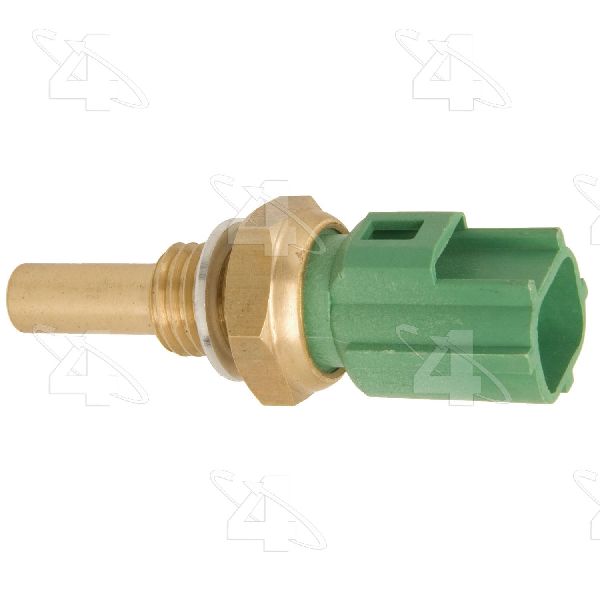
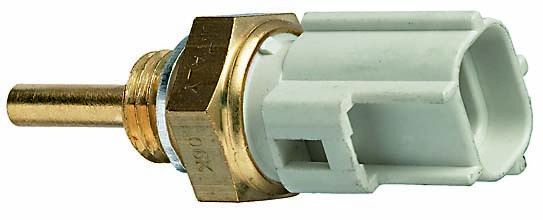
The sensor is a Negative Temperature Coefficient (NTC) thermistor. Its resistance decreases as the coolant temperature increases. It is typically a two-wire sensor that screws into the thermostat housing.
We Have This Part in Stock



The information in this article is provided for general reference and educational purposes only. Vehicle specifications, procedures, and part compatibility can vary by production date, trim level, and region. Always consult your vehicle's factory service manual and verify part numbers before purchasing or performing repairs. Safety-critical components such as airbags, seat belts, and braking systems should be installed by a qualified professional.
- Volvo XC90: