

A Guide to Your 2003-2007 Volvo XC90 Intercooler Hose
Understanding this critical turbo component can save you from power loss and expensive repairs.
- A failed intercooler hose is a common issue on 2003-2007 XC90s, causing power loss, hissing noises, and a P0299 code.
- Aftermarket brands like Gates offer a good balance of quality and price, while silicone hoses are a durable, long-term upgrade.
- This is a manageable DIY repair for most owners, which can save a few hundred dollars in labor costs.
- Always replace the hose clamps along with the hose to ensure a secure, leak-free connection.
Signs of a Failing Intercooler Hose
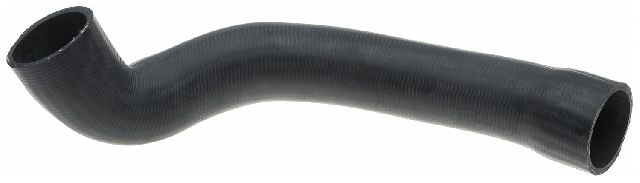
A bad intercooler hose on your XC90 will usually make its presence known. The original rubber hoses can become brittle from heat and age, or saturated with oil, causing them to split, crack, or pop off their connections. When this happens, you'll notice a few key symptoms.
- Loss of Power: This is the most common complaint. Your XC90 will feel sluggish and slow to accelerate because the turbo can't provide the proper boost pressure.
- Whooshing or Hissing Noises: When you accelerate, you might hear a loud whooshing or hissing sound from the engine bay. This is the sound of boost pressure escaping from a leak in the hose.
- Black Smoke from Exhaust: A significant boost leak messes up the air-to-fuel ratio, causing the engine to run rich. This unburnt fuel exits as black smoke from the tailpipe.
- Check Engine Light: A major leak will often trigger a Check Engine Light. A common trouble code is P0299, which means "Turbo Underboost Condition."
- Oily Residue: It's common to find an oily film around the intercooler hoses. A split hose will often spray a fine mist of oil onto surrounding components.
Known Issues for 2003-2007 XC90
While no specific recalls or Technical Service Bulletins (TSBs) exist for the intercooler hoses on the 2003-2007 XC90, hose failure is a very common problem. The original plastic and rubber components simply wear out over time. One particular failure point is the plastic pipe that the hose connects to, which can have a reinforcing steel collar come loose, preventing a good seal.
Choosing the Right Aftermarket Hose
When your original hose fails, you have a few choices for replacement. You don't necessarily need to buy the expensive Genuine Volvo part. Several aftermarket brands offer quality replacements that can save you money.
Brand Quality Tiers
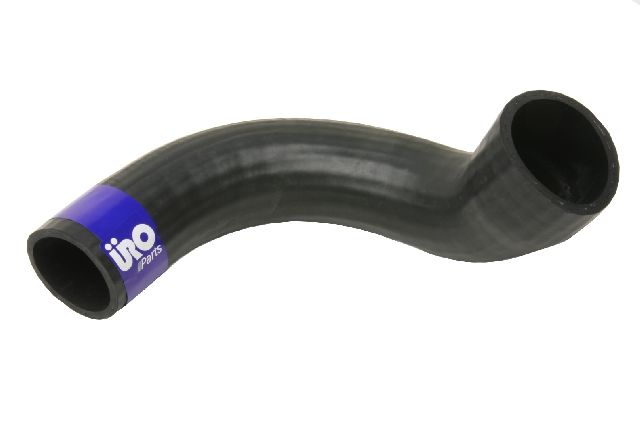
- Good - Economy Choice (URO Parts, Vaico): Brands like URO Parts and Vaico offer the most affordable replacements. However, owner feedback is mixed. Some have had success, while others report poor fitment or premature failure. These are best considered a budget-friendly, short-term solution. If you choose one, inspect it carefully before installation.
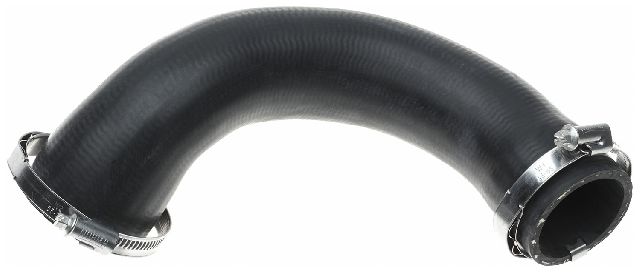
- Better - OEM Quality (Gates, Dorman): Gates is a well-respected name in the automotive hose industry, and their products are often considered equivalent to OEM quality. They use multi-layer construction to handle heat and pressure. Dorman also provides a reliable alternative. These brands offer a good balance of quality and price for a daily-driven XC90.
- Best - Performance Upgrade (Silicone Hoses): For a long-term, durable solution, consider upgrading to a silicone hose kit. Silicone hoses are much more resistant to heat, oil, and pressure than the stock rubber hoses. They won't crack or balloon under boost, ensuring consistent performance. While more expensive, they are a 'fit-it-and-forget-it' upgrade.
Pro Tip: Inspect the Clamps!
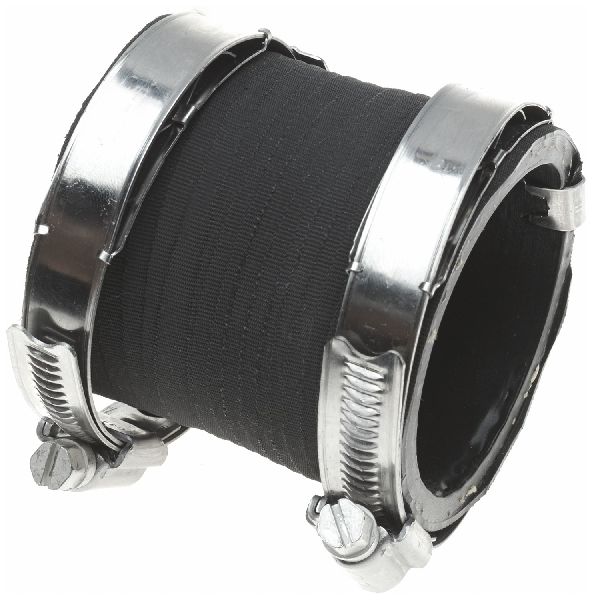
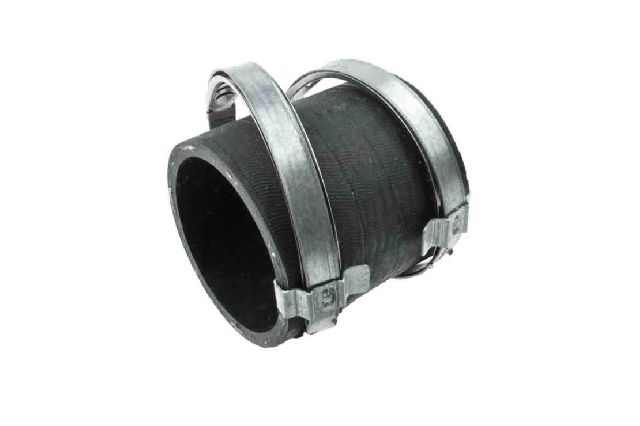
No matter which hose you choose, always use new, high-quality hose clamps. The original clamps can lose their tension over time. A new hose with an old clamp is still a potential leak waiting to happen. Ensure the clamps are tightened properly but not so much that they damage the hose or the plastic pipe it connects to.
Cost of Replacing an Intercooler Hose
The cost can vary significantly depending on the part you choose and whether you do the work yourself.
| Part / Service | Estimated Cost |
|---|---|
| New Aftermarket Hose | $23 - $100 |
| New OEM Hose | $70 - $150+ |
| Shop Labor | $100 - $250 |
Frequently Asked Questions
Can I drive my XC90 with a leaking intercooler hose?
It's not recommended for long. While the vehicle may be drivable, you will have significantly reduced power, poor fuel economy, and you'll be blowing black smoke. Driving for an extended period could cause the turbo to over-speed to compensate for the leak, potentially causing more damage.
Is this a difficult DIY job?
For a moderately skilled DIY mechanic, replacing an intercooler hose is very achievable. Access can be tight, but it usually requires basic hand tools like sockets and screwdrivers. The most difficult part is often removing the old, stiff hose. The job typically takes about 1-2 hours.
What's the difference between the upper and lower hoses?
Your XC90 has several sections of intercooler piping. There are flexible rubber or silicone hoses that connect the turbo, the intercooler, and the intake manifold to the rigid plastic or metal pipes. When ordering, make sure you identify exactly which hose section has failed to ensure you buy the correct part. They are not interchangeable.
Why did my original hose fail?
The hoses live in a harsh environment with high temperatures, high pressure, and exposure to oil vapor from the engine's crankcase ventilation system. Over many years and miles, the rubber material naturally degrades, becomes brittle, and eventually cracks or splits. This is a common wear-and-tear item on turbocharged vehicles.
Technical Specifications
OEM Part Numbers: 8638967 30647918 8626058
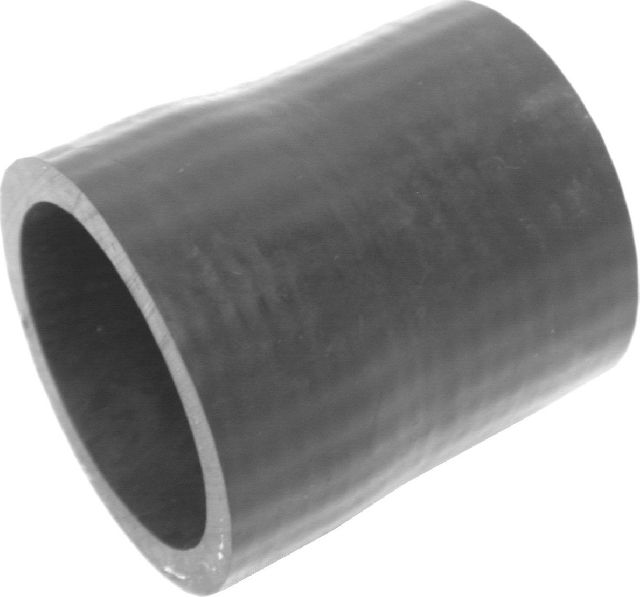
The intercooler hoses connect the turbocharger, intercooler, and intake manifold. They are typically made of reinforced rubber or silicone and are designed to withstand high temperatures and boost pressures up to 0.9 MPa. The plastic 'over the engine' pipe is a common failure point due to stress cracks.
We Have This Part in Stock

The information in this article is provided for general reference and educational purposes only. Vehicle specifications, procedures, and part compatibility can vary by production date, trim level, and region. Always consult your vehicle's factory service manual and verify part numbers before purchasing or performing repairs. Safety-critical components such as airbags, seat belts, and braking systems should be installed by a qualified professional.
- Volvo XC90: