

Your 2003-2008 Audi A6 Engine VVT Solenoid Replacement Guide
Address rough idling and check engine lights by understanding the camshaft adjuster magnets in your C5 or C6 Audi A6.
- Always check your engine oil level and condition first; low or dirty oil causes VVT system errors.
- A Check Engine Light with codes like P0011, P0014, P0021, or P0024 strongly points to a VVT system issue.
- V8 engines have four solenoids; consider replacing them in pairs or as a full set for preventative maintenance.
- Aftermarket parts offer savings, but OEM or OE-supplier parts are often recommended for best reliability.
Is Your Audi A6 Running Rough? It Could Be a VVT Solenoid.

If you're experiencing a check engine light, rough idle, poor acceleration, or strange rattling noises from the engine, a failing Variable Valve Timing (VVT) solenoid could be the culprit. This component is sensitive to oil quality, and its performance can degrade over time, leading to noticeable engine problems. Because it controls when the engine's valves open and close, a faulty solenoid can disrupt the combustion process, hurting both performance and fuel economy.
Check Your Oil First!
Before you replace any parts, check your engine oil level and condition. Low or dirty engine oil is a leading cause of VVT system problems and can trigger the same symptoms and error codes as a failed solenoid. An oil change with the correct viscosity oil might resolve the issue without needing new parts.
Common Failure Symptoms & Diagnostic Codes

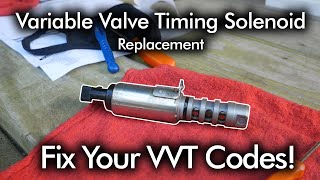
A failing VVT solenoid will usually let you know something is wrong. The most common sign is the check engine light (CEL) on your dashboard. If you use an OBD2 scanner, you may find codes related to camshaft position. Look for codes like P0011, P0014, P0021, or P0024, which point to the camshaft timing being over-advanced or not responding as expected. 🎬 Watch: How to fix VVT codes and replace the solenoid. You might also notice a rattling noise from the engine, especially on startup, or a general feeling of sluggishness when you accelerate.
Choosing the Right Aftermarket Part

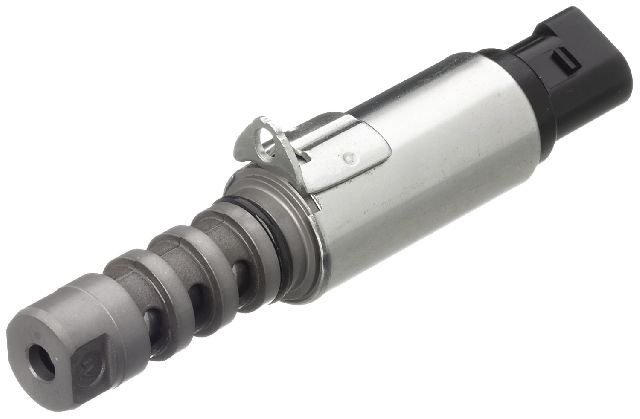
When replacing a VVT solenoid, you have a choice between Original Equipment (OEM) and aftermarket parts. Aftermarket parts offer significant cost savings. However, for critical electronic components like VVT solenoids, many Audi enthusiasts prefer to use OEM or parts from an Original Equipment (OE) supplier like INA to ensure perfect fitment and long-term reliability.
If you choose an aftermarket brand, quality can vary. Here’s a general breakdown of available options:
- Premium Aftermarket (e.g., Standard, Gates): Brands like Standard (SMP) are noted for durable construction, sometimes featuring improvements over the original design. Gates is a well-respected name in engine timing components, which lends credibility to their VVT solenoids.
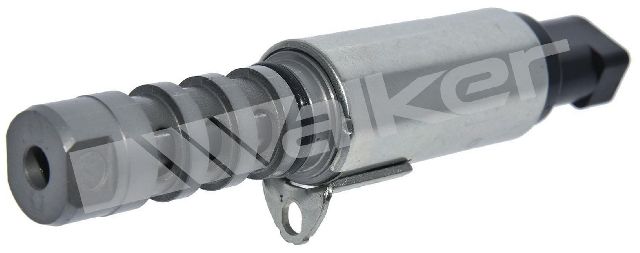
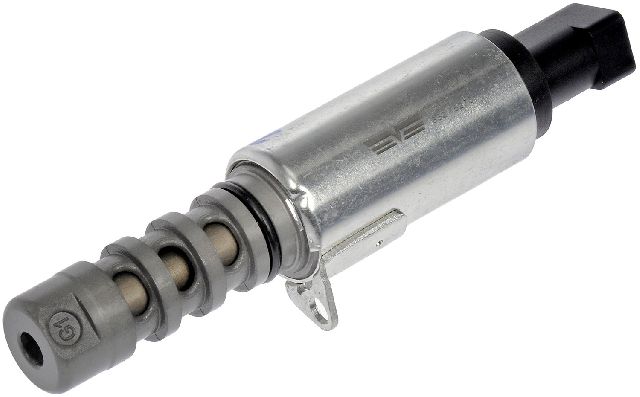
- Standard Aftermarket (e.g., Dorman, Vaico, Beck Arnley): Dorman is a widely available brand that often provides reliable, direct-fit replacements. Other brands like Vaico, Beck Arnley, Walker Products, and Holstein offer cost-effective alternatives, though user reviews are less common for this specific Audi application.
| Part Type | Estimated Cost |
|---|---|
| New Aftermarket | $83.72 - $218.22 |
| New OEM | $150 - $250 |
| Shop Labor | $120 - $240 |
Pro Tip: Replace in Pairs or Sets
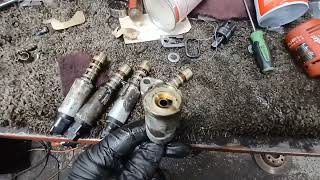
Your Audi A6 V6 or V8 engine has multiple VVT solenoids (four in total for the V8: one intake and one exhaust per cylinder bank). If one has failed due to age or oil contamination, the others are likely in similar condition. It is often wise to replace them in pairs (both intake or both exhaust) or as a full set to prevent future failures.
Frequently Asked Questions (FAQ)

Can I just clean my VVT solenoid?
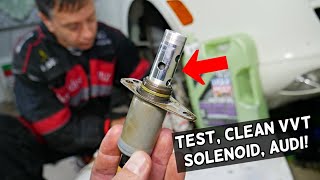
Sometimes, cleaning a VVT solenoid can restore its function, especially if the issue is sludge or debris from dirty oil. You can use a mass airflow sensor cleaner or a similar electronic parts cleaner to flush out the internal passages. However, if the solenoid's internal coil has failed electrically, cleaning will not help, and replacement is necessary.
🎬 See how to test and clean your VVT solenoid.How many VVT solenoids does my 2003-2008 Audi A6 have?
This depends on your engine. The V6 engines (3.0L, 3.2L) have two solenoids, one for each cylinder bank. The 4.2L V8 engine has four solenoids: an intake and an exhaust solenoid for each of the two cylinder banks.
Is an oil leak related to the VVT solenoid?
Yes, it can be. Each solenoid has a rubber O-ring that seals it against the engine. Over time, this seal can harden and crack, causing an oil leak. When you replace the solenoid, it is essential to also replace this seal. New aftermarket solenoids typically come with a new O-ring.
🎬 Watch this guide on fixing a leaking camshaft adjuster solenoid.Are there any recalls for this part?
As of early 2026, there are no active NHTSA recalls specifically for the Engine VVT Solenoid on the 2003-2008 Audi A6. However, it's always a good practice for owners to check for any Technical Service Bulletins (TSBs), as manufacturers sometimes issue these for common, non-safety-related problems.
Helpful Videos
Technical Specifications
OEM Part Numbers: 06E109257J
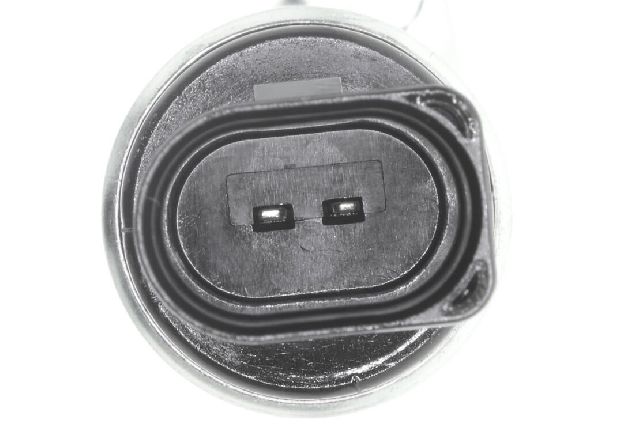
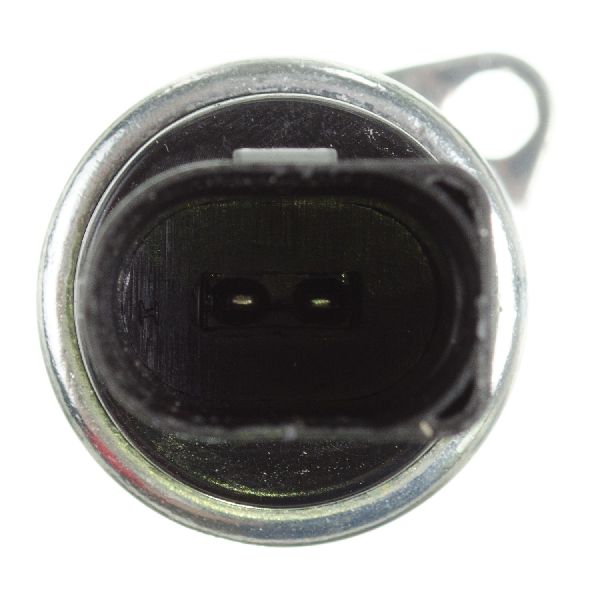
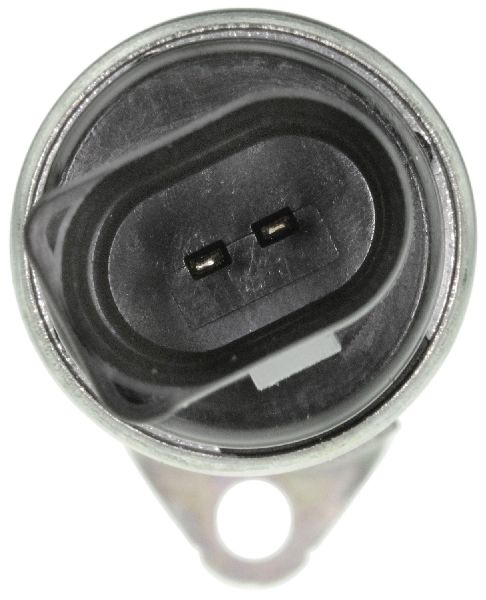
Also known as a Camshaft Adjuster Magnet. The part is an electro-hydraulic solenoid that controls oil flow to the camshaft phasers. It is held in place by a single bolt and sealed with a rubber O-ring.
We Have This Part in Stock

The information in this article is provided for general reference and educational purposes only. Vehicle specifications, procedures, and part compatibility can vary by production date, trim level, and region. Always consult your vehicle's factory service manual and verify part numbers before purchasing or performing repairs. Safety-critical components such as airbags, seat belts, and braking systems should be installed by a qualified professional.
- Audi A6: