

Cadillac CTS Engine Coolant Thermostat Guide (2003-2008)
Understanding thermostat issues, especially the P0128 code, for your first-generation Cadillac CTS.
- You MUST identify if you have the 3.2L or 3.6L engine, as the repair difficulty and location are completely different.
- The P0128 check engine light code is the number one indicator of a failed (stuck-open) thermostat for this car.
- Due to the high labor cost of the replacement, using a top-tier ACDelco (OEM) part is strongly recommended to ensure reliability.
- This is a challenging DIY job. The 3.2L engine requires removing the intake manifold, and the 3.6L requires accessing the rear of the engine near the firewall.
A Critical First Step: Identify Your Engine

Before you even think about buying a part, you must know which engine is in your CTS. The location of the thermostat and the difficulty of the job are completely different depending on the engine. This is the most important factor for this repair.
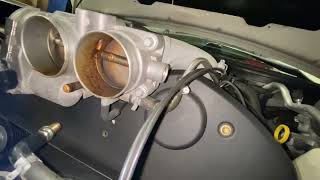
- 2003-2004 CTS with 3.2L V6: Your thermostat is in a very difficult location. It is buried under the intake manifold. Replacing it is a major job that requires removing the entire intake assembly. 🎬 Watch: Part 1 of this 3.2L thermostat replacement walkthrough. This is not a simple task and is very labor-intensive.
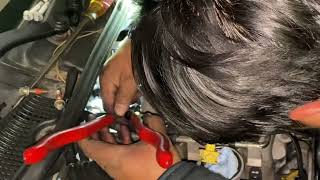
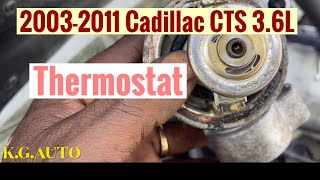
- 2004-2008 CTS with 2.8L or 3.6L V6: Your thermostat is located at the back of the engine, near the firewall, on the passenger side. While still challenging to reach, it does not require removing the intake manifold. Access is typically gained by removing the wiper and cowl assembly 🎬 See how to replace the thermostat on a 3.6L engine. at the top of the firewall.
Common Failure Symptoms

Thermostats in the CTS are designed to fail in the open position, which is a safety measure to prevent overheating. This leads to a unique set of symptoms.
- Check Engine Light with Code P0128: This is the most common sign of a bad thermostat in a CTS. The code means "Coolant Temperature Below Thermostat Regulating Temperature." Your car's computer expects the engine to reach a certain temperature within a set time, and when the thermostat is stuck open, it warms up too slowly, triggering the light.
- Engine Gauge Reads Low: You may notice the temperature gauge on your dashboard never reaches the middle (normal operating temp) or takes a very long time to get there.
- Poor Heater Performance: If your cabin heater blows lukewarm air, especially on cold days, it’s a strong sign the thermostat is stuck open. The engine isn't getting hot enough to provide sufficient heat to the heater core.
- Engine Overheating (Less Common): In rare cases, the thermostat can fail stuck-closed. This is a critical situation. The temperature gauge will spike into the red, and you may see steam or notice gurgling sounds. If this happens, pull over immediately to prevent severe engine damage.
Is It Just the Sensor?
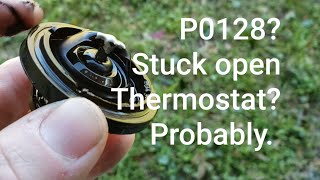
While a faulty coolant temperature sensor can cause incorrect gauge readings, the P0128 code is almost always caused by a failing thermostat, not the sensor itself. 🎬 Watch a mechanic diagnose the P0128 trouble code. If the thermostat is the original one, it's the most likely culprit.
Choosing the Right Aftermarket Thermostat

For a part that can be so difficult to replace, choosing a quality brand is important to avoid doing the job twice. Here’s a breakdown of available brands.
| Brand Tier | Brands | Honest Assessment |
|---|---|---|
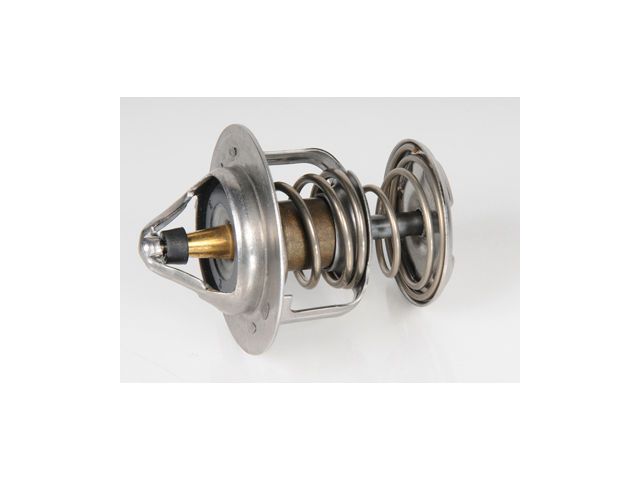
| Tier 1: OEM or Equivalent | ACDelco | As the original parts supplier for GM, ACDelco is the most recommended brand for a direct, reliable replacement. Using an ACDelco thermostat ensures your engine operates at the exact temperature it was designed for. Given the high labor cost of this job, spending a little extra on the OEM part is a smart investment. |
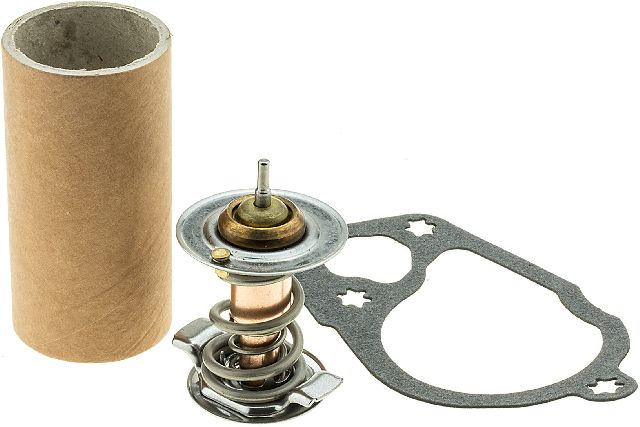
| Tier 2: Reputable Aftermarket | Gates, Stant | Gates and Stant are well-known names in cooling systems and are generally considered reliable. Some users report that aftermarket thermostats can sometimes run slightly cooler than the OEM part. They are a solid choice if an ACDelco part is not available. |
| Tier 3: Budget Options | Motorad, Facet, Store Brands | These brands offer a lower price point. Motorad is a large manufacturer that also produces parts for store brands. While they can work, the quality can be inconsistent. For a part this difficult to access on a CTS, saving a few dollars here creates a significant risk of premature failure and having to pay for the labor all over again. |
Pro Tip: Replace the Assembly
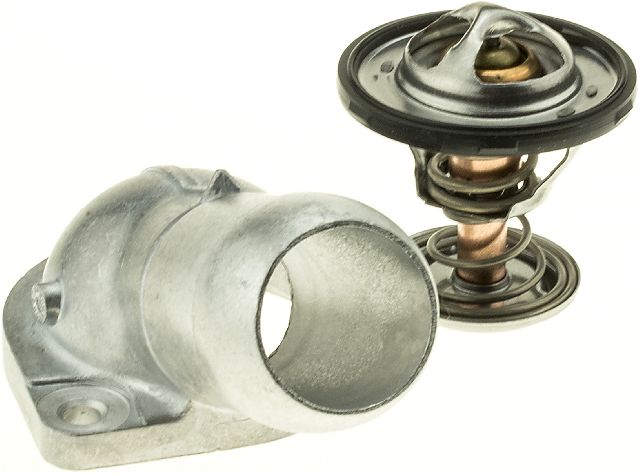
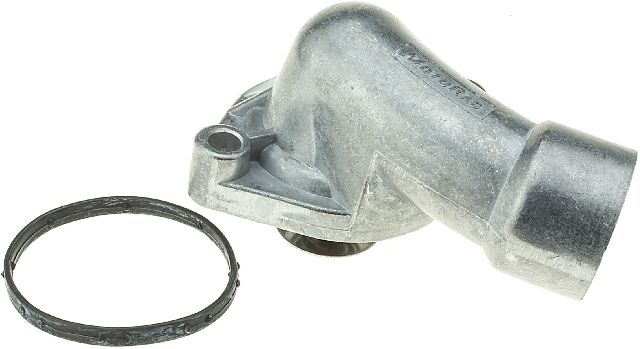
For both the 3.2L and 3.6L engines, the thermostat is often sold as a complete assembly with the housing. It is highly recommended to replace the entire unit. The plastic housings can become brittle over time, and it ensures you have all new seals and gaskets, preventing leaks.
Frequently Asked Questions (FAQ)

Why is the replacement cost so high for my CTS?
The high cost, especially for the 2003-2004 3.2L model, is almost entirely due to labor. To access the thermostat on the 3.2L engine, a mechanic must remove the intake manifold, which is a time-consuming process. Even on the 3.6L, accessing the back of the engine requires significant time. The part itself is relatively inexpensive.
Can I just clear the P0128 code and keep driving?
You can, but it's not recommended long-term. Driving with a stuck-open thermostat prevents your engine from reaching its optimal operating temperature. This can lead to increased engine wear, carbon buildup, poor fuel economy, and higher emissions over time. It's best to get it fixed.
My temperature gauge is fluctuating. Is that the thermostat?
Erratic temperature readings can be a sign of a failing thermostat struggling to open and close properly. It can also indicate air in the cooling system or a low coolant level. Check your coolant level first, but if it's normal, the thermostat is a likely suspect.
Should I replace anything else at the same time?
Absolutely. Since the cooling system will be drained, it's the perfect time to refill with fresh, vehicle-specific coolant. Always replace the thermostat housing gaskets and O-rings. Given the age of the vehicle, inspect all coolant hoses for cracks or swelling and consider replacing them if they are original.
Helpful Videos
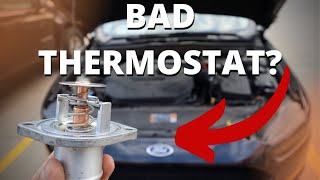
Technical Specifications
OEM Part Numbers: 12597255 15-10412 131-151 55353492
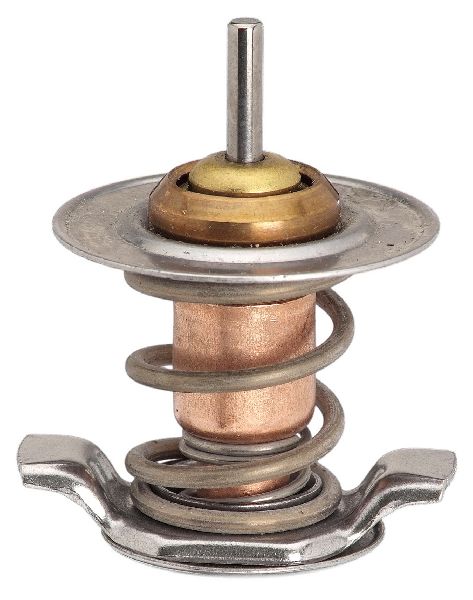
For the 2003-2004 3.2L V6, the thermostat is integral to the housing and located under the intake manifold. For the 2004-2008 2.8L/3.6L V6, the thermostat housing is at the rear of the engine. Standard opening temperatures are typically 187°F to 195°F.
We Have This Part in Stock


The information in this article is provided for general reference and educational purposes only. Vehicle specifications, procedures, and part compatibility can vary by production date, trim level, and region. Always consult your vehicle's factory service manual and verify part numbers before purchasing or performing repairs. Safety-critical components such as airbags, seat belts, and braking systems should be installed by a qualified professional.
- Cadillac CTS: