

Ford Expedition A/C Expansion Valve Guide for 2003-2008 Models
If your Expedition's A/C is blowing warm or acting erratically, the expansion valve could be the problem.
- A failing expansion valve is a known issue, often causing warm air from the front vents while the rear A/C may still work.
- Symptoms include warm air, inconsistent temperatures, and frost on A/C components.
- Always replace the receiver/drier and A/C line O-rings when replacing the expansion valve to prevent future failures.
- The job requires special tools to recover and recharge the refrigerant; it's not a simple bolt-off, bolt-on repair.
Is Your Expedition's A/C Failing? Common Expansion Valve Symptoms
A bad A/C expansion valve in a 2003-2008 Ford Expedition can cause several distinct symptoms. Because these trucks often have separate front and rear A/C systems, you might notice different performance from the front and rear vents. A failing front expansion valve is a known issue on these models.
- Warm Air from Vents: This is the most common sign. If the valve is stuck closed, it will starve the evaporator of refrigerant, and the air from your vents will not get cold.
- Inconsistent Cooling: The air temperature from the vents may fluctuate between cool and warm. This can happen if the valve is sticking intermittently.
- Frost on A/C Vents or Lines: If the valve is stuck open, it allows too much refrigerant into the evaporator. This can cause the evaporator to get too cold and freeze over, sometimes resulting in visible frost coming from the vents or forming on A/C components under the hood.
- Front A/C Fails, Rear A/C Works: A common failure on these Expeditions is for the front expansion valve to get stuck, preventing the front A/C from cooling. The rear auxiliary A/C system has its own expansion valve and may continue to work properly.
- Hissing Sound from the Dash: A hissing or gurgling sound from the dashboard area can indicate refrigerant flow problems related to the expansion valve.
Known Issue: Evaporator Icing TSB
Ford issued Technical Service Bulletin (TSB) 04-5-9 for 2003-2004 Expedition models that may experience diminished A/C airflow during long highway drives in high humidity. This is caused by ice forming on the evaporator core, a condition directly related to refrigerant flow managed by the expansion valve. While not a recall, it acknowledges a known weakness in the system.
Choosing the Right Aftermarket Expansion Valve
When replacing the A/C expansion valve, you have a choice between the original equipment (OEM) brand, Motorcraft, and several aftermarket brands. For this part, the choice often comes down to balancing cost with peace of mind.
- Motorcraft: As the OEM supplier, Motorcraft parts are designed for a perfect fit and are generally considered the most reliable option. Mechanics often prefer Motorcraft for critical A/C components to avoid repeat repairs. The cost is higher, but it's the benchmark for quality.
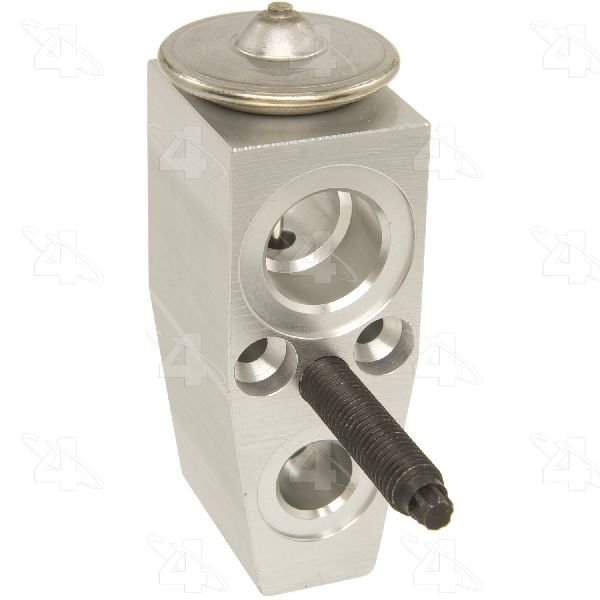
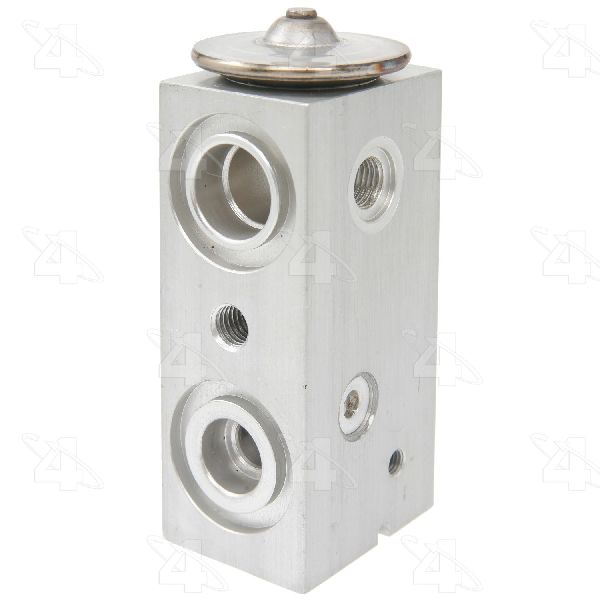
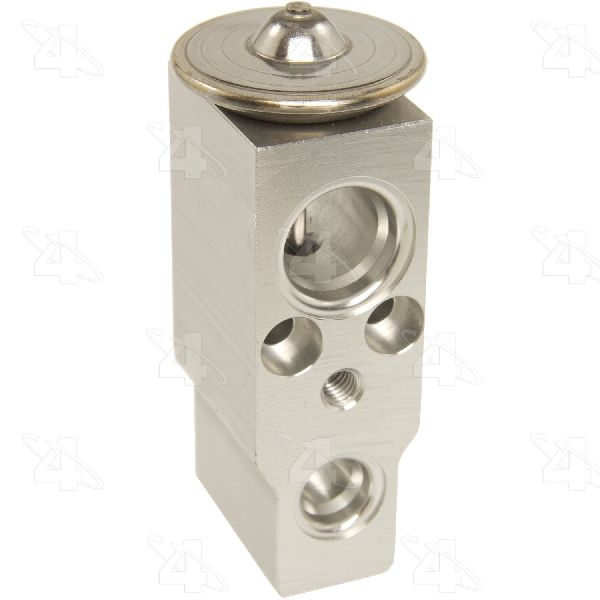
- Four Seasons: This is a very common and widely available aftermarket brand. Forum discussions show mixed but generally acceptable experiences. Some users note that Four Seasons parts can sometimes be identical to Motorcraft parts from the same factory, just with a different sticker. They offer a good balance of cost and quality for many DIY repairs.
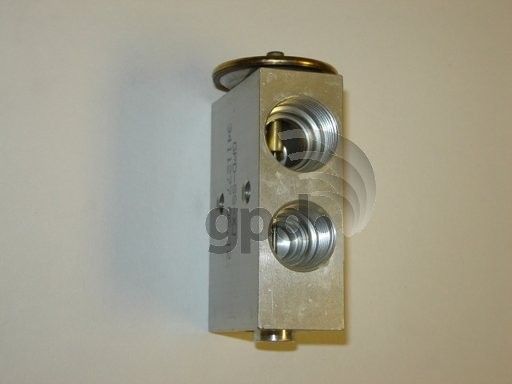
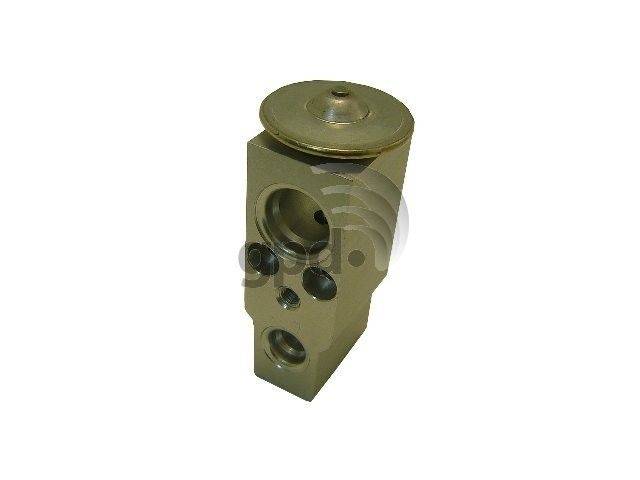
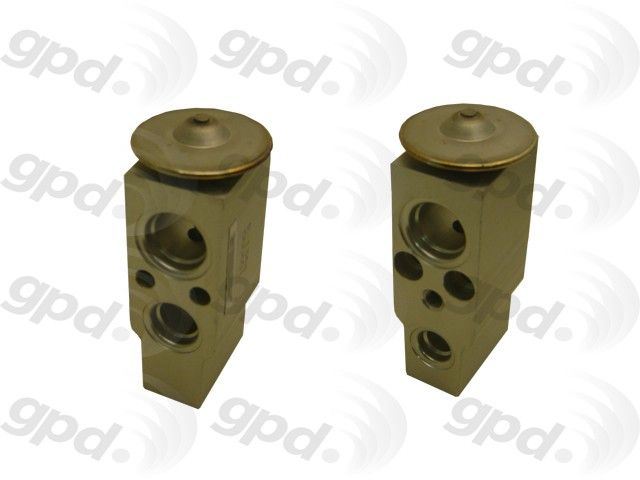
- Global Parts Distributors (GPD): GPD is another aftermarket option that produces new, OE-style parts that are leak-tested. They are a budget-friendly choice, though less frequently discussed in owner forums than Four Seasons or Motorcraft.
Pro Tip: Always replace the A/C Receiver Drier/Accumulator any time the system is opened to replace a component like the expansion valve. The drier contains a desiccant that absorbs moisture, and it can only absorb so much. A new drier is cheap insurance for your new parts and the health of the entire A/C system.
Cost of Replacing the A/C Expansion Valve (2003-2008 Expedition)
| Item | Estimated Cost |
|---|---|
| Aftermarket Expansion Valve Part | $30 - $117 |
| OEM (Motorcraft) Expansion Valve Part | $80 - $150 |
| Shop Labor Cost | $135 - $200 |
| Total Professional Replacement | $375 - $470 |
Note: Costs are estimates and do not include taxes, fees, or the cost of refrigerant and other related parts like the receiver/drier.
Frequently Asked Questions
Where is the A/C expansion valve located on a 2003-2008 Expedition?
The front A/C expansion valve is located in the engine compartment, on the passenger side firewall. It's a metal block that connects the A/C lines running to and from the evaporator core. You will likely need to remove the battery to get clear access to it.
Is this a difficult DIY job?
Replacing the expansion valve is moderately difficult. While the part itself is accessible in the engine bay, the job requires specialized A/C tools. You must have the refrigerant professionally recovered before starting and use a vacuum pump to remove all air and moisture from the system before recharging it. Failure to do this will cause the A/C system to fail.
Do I need to replace anything else at the same time?
Yes. It is mandatory to replace the A/C receiver/drier (also called an accumulator) and the small O-ring seals for the A/C lines you disconnect. Lubricate the new O-rings with the correct type of A/C oil (PAG oil for this vehicle) before installation to ensure a proper seal.
Does my Expedition have one or two expansion valves?
If your Expedition is equipped with rear auxiliary climate control, it has two separate systems, each with its own expansion valve. There is one for the front A/C in the engine bay and a second one for the rear A/C, typically located in the rear passenger-side quarter panel area.
Technical Specifications
OEM Part Numbers: YG834
This vehicle uses a block-type thermal expansion valve (TXV). The A/C system uses R-134a refrigerant and PAG 46 oil. Models with rear A/C have a system capacity of approximately 54 ounces.
We Have This Part in Stock

The information in this article is provided for general reference and educational purposes only. Vehicle specifications, procedures, and part compatibility can vary by production date, trim level, and region. Always consult your vehicle's factory service manual and verify part numbers before purchasing or performing repairs. Safety-critical components such as airbags, seat belts, and braking systems should be installed by a qualified professional.
- Ford Expedition: