

Ford Taurus Engine Coolant Temperature Sensor Guide (2003-2008)
Diagnose and replace the faulty engine coolant temperature sensor on your 2003-2008 Ford Taurus.
- A failing ECT sensor on a 2003-2008 Taurus causes poor MPG, rough idle, and Check Engine Light codes like P0128.
- Replacement is a simple, DIY-friendly job that takes less than an hour and requires basic tools.
- Ignoring a bad sensor can lead to engine overheating, which can cause catastrophic damage.
- For best results, choose an OEM (Motorcraft) or a premium aftermarket brand like NTK or Delphi.
Is Your Taurus Running Rough or Getting Bad Gas Mileage?
A failing Engine Coolant Temperature (ECT) sensor can cause a surprising number of problems in your 2003-2008 Ford Taurus. Because the engine's computer relies on this sensor for accurate temperature readings, a bad sensor can feed it false information. This can lead to a rich fuel mixture, poor performance, and even overheating. Recognizing the signs early can save you fuel and prevent more serious engine issues.
Symptoms of a Failing ECT Sensor
If the ECT sensor is failing, your Taurus will likely exhibit one or more of these symptoms:
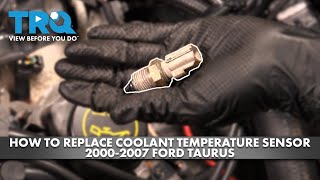
- Check Engine Light: This is the most common sign. The computer will store trouble codes like P0117, P0118, P0125, or P0128. 🎬 Watch: How to test and replace a sensor with these codes.
- Poor Fuel Economy: A faulty sensor might tell the computer the engine is always cold. This causes the computer to inject extra fuel, hurting your gas mileage.
- Rough Idle and Hard Starts: Especially when cold, the engine may stumble, run rough, or be difficult to start due to an incorrect fuel mixture.
- Cooling Fans Run Constantly or Not at All: The sensor controls the cooling fans. It might cause them to stay on all the time (leading to an over-cooling code like P0128) or fail to turn on when the engine gets hot.
- Black Smoke from Exhaust: This indicates a very rich fuel condition, where unburnt fuel is being pushed out the tailpipe.
- Inaccurate Temp Gauge: The temperature gauge on your dashboard may behave erratically, stay on cold, or shoot to hot.
Don't Ignore an Overheating Engine
If your temperature gauge reads hot and you suspect the engine is overheating, pull over safely and shut off the engine as soon as possible. Driving an overheating engine can cause severe and expensive damage.
Choosing the Right Aftermarket Sensor
For a simple but critical part like the ECT sensor, brand choice matters. While many owners prefer the original Motorcraft part, high-quality aftermarket options offer a great balance of price and reliability. Here’s how to think about your options:
- OEM (Motorcraft): This is the part your Taurus came with from the factory. It guarantees perfect fit and function but is usually the most expensive option. Some forum users strongly recommend Motorcraft for Ford sensors to avoid repeat failures.
- Premium Aftermarket (e.g., NGK/NTK, Delphi): These brands are often Original Equipment (OE) suppliers to many car manufacturers. They produce high-quality sensors that meet or exceed OE specifications and are considered a reliable, cost-effective alternative to Motorcraft.
- Standard Aftermarket (Other Brands): These are the most budget-friendly options. While many work fine, quality can be inconsistent. For a critical sensor that can affect drivability and is relatively inexpensive to begin with, investing a few extra dollars in a premium aftermarket or OEM part is often a wise choice.
Pro Tip: Check the Material
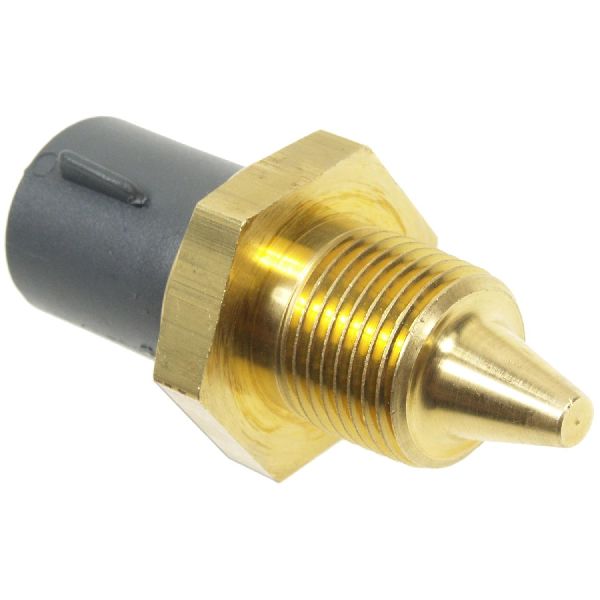
Some Ford owners have noted that original Motorcraft sensors are made of brass, while some cheaper aftermarket versions are plastic. A brass housing can offer better durability and heat transfer. When comparing parts, look for one that matches the material of the original sensor.
Typical Replacement Costs
Replacing the ECT sensor on a 2003-2008 Taurus is an affordable repair, especially if you do it yourself.
| Part/Service | Estimated Cost |
|---|---|
| New Aftermarket ECT Sensor | $12 - $78 |
| New OEM (Motorcraft) ECT Sensor | $30 - $60 |
| Shop Labor | $75 - $150 |
| DIY Total | $12 - $78 (Part Only) |
| Shop Total | $87 - $228 |
Frequently Asked Questions
Where is the ECT sensor located on a 2003-2008 Ford Taurus?
The ECT sensor is located on the engine, screwed into the thermostat housing. This is typically on the top of the engine, near where the large upper radiator hose connects. 🎬 Watch this video to see the exact sensor location and replacement. It's relatively easy to access.
Can I replace the ECT sensor myself?
Yes, this is a great DIY job for a beginner. The process involves disconnecting the battery, partially draining some coolant, unplugging the electrical connector, and unscrewing the sensor with a wrench or deep socket (usually 19mm). The entire job can usually be done in under an hour.
What happens if I don't replace a bad ECT sensor?
You will continue to experience poor fuel economy, rough running, and hard starts. If the sensor fails to trigger the cooling fans, your engine could overheat, leading to very expensive damage like a warped cylinder head or blown head gasket. It's a cheap and easy fix that prevents major problems.
Is a Motorcraft sensor really better than aftermarket?
For many sensors on Ford vehicles, Motorcraft parts offer the highest reliability and are guaranteed to work correctly. However, premium aftermarket brands like NTK and Delphi are also excellent choices that often meet or exceed OE standards. For this specific part, avoiding the cheapest, no-name options is a good rule of thumb.
Helpful Videos
Technical Specifications
OEM Part Numbers: 3F1Z-12A648-A F5AZ-12A648-A F5AZ-12A648-AB DY1144
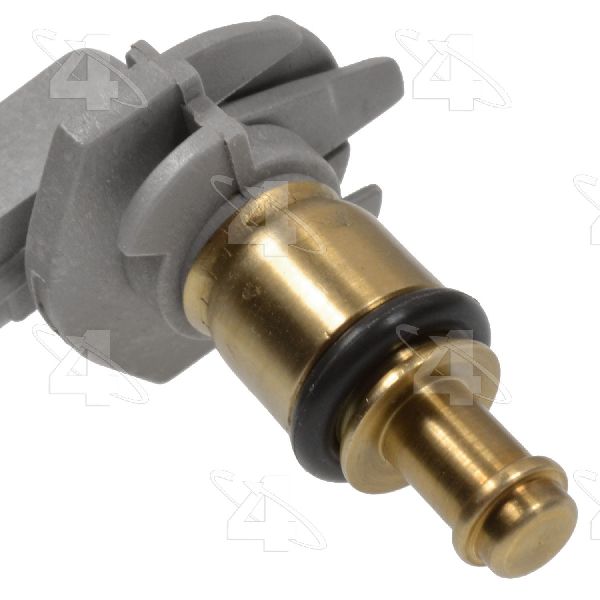
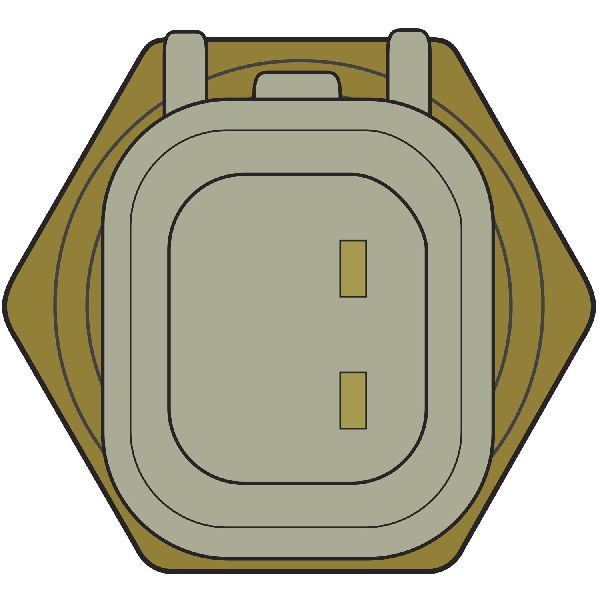
Typically a two-pin thermistor sensor with a 19mm hex head, threaded into the thermostat housing.
We Have This Part in Stock


The information in this article is provided for general reference and educational purposes only. Vehicle specifications, procedures, and part compatibility can vary by production date, trim level, and region. Always consult your vehicle's factory service manual and verify part numbers before purchasing or performing repairs. Safety-critical components such as airbags, seat belts, and braking systems should be installed by a qualified professional.
- Ford Taurus: