

Honda Pilot Hazard Warning Flasher Guide (2003-2008)
If your turn signals are acting up, the hazard warning flasher relay is a likely and simple fix.
- A bad hazard flasher relay is a very common cause for turn signal and hazard light failure on 2003-2008 Pilots.
- Symptoms include lights not working at all, staying on without flashing, or no clicking sound.
- This is an easy and inexpensive DIY repair that takes less than 30 minutes with no special tools.
- Before replacing the relay, always check for burnt-out bulbs and blown fuses first.
Is Your Honda Pilot's Flasher Failing?

If your turn signals or hazard lights stop working, start acting strange, or don't turn on at all, the flasher relay is a common culprit. This part can fail from normal wear and tear over time. On the 2003-2008 Honda Pilot, this is a known issue that many owners face as the vehicle ages. Before you replace it, it's a good idea to check the simple things first. Make sure all your turn signal bulbs are working and check the related fuses in the fuse box. If the bulbs and fuses are good, the flasher relay is the next logical part to replace.
Safety First: A Critical Part
Functioning turn signals and hazard lights are a legal requirement and critical for your safety on the road. They communicate your intentions to other drivers. Driving without them significantly increases your risk of an accident. If your signals are not working, you should get the issue fixed as soon as possible.
Common Symptoms of a Bad Flasher Relay

- No Turn Signals or Hazards: The most common symptom is when neither the turn signals nor the hazard lights work at all.
- Lights Stay On (No Flash): The turn signal or hazard lights will turn on but won't flash. They just stay lit.
- Signals Flash Too Fast or Too Slow: While a fast-flashing light often means a burnt-out bulb, a failing relay can also cause irregular flashing speeds.
- No Clicking Sound: The clicking noise you normally hear is gone because the relay is not cycling.
Choosing Your New Aftermarket Flasher

For the 2003-2008 Honda Pilot, the original equipment (OEM) flasher relay is a reliable part, but aftermarket options provide the same function for less money. Since this is a simple relay and not a complex mechanical part, a quality aftermarket brand is a smart choice for most owners.
Brand Tiers:
- Standard Ignition (SMP): Often considered a top-tier aftermarket brand, Standard produces parts that meet or exceed OEM specifications. They are a well-known and trusted name in the industry. This is a solid choice if you want high quality without the dealer price tag.
- True Tech: This brand typically falls into the value-oriented category. It gets the job done at a lower price point, making it a good option for budget-conscious repairs.
For a simple part like a flasher relay, both brands are likely to perform well. The choice comes down to your preference for a well-established brand name versus a lower initial cost.
Pro Tip: Match the Part Number
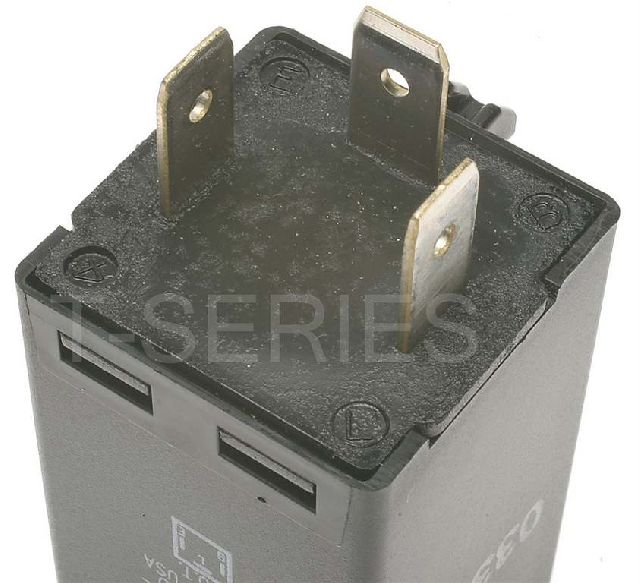
The OEM part number for the 2003-2008 Honda Pilot flasher relay is often 38300-SDB-A03 (which may replace 38300-SDA-A03). Always visually compare your old relay to the new one before installation to ensure the pin configuration is identical.
Cost of Replacing a Hazard Warning Flasher
| Part or Service | Estimated Cost |
|---|---|
| New Aftermarket Part | $27 - $34 |
| New OEM Part | $40 - $95 |
| Shop Labor | $50 - $100 |
DIY Installation: A Simple Fix

Replacing the hazard warning flasher on a 2003-2008 Pilot is a straightforward job that most owners can do themselves in under 30 minutes.
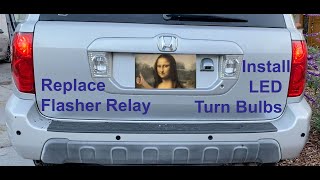
🎬 Watch this step-by-step flasher relay and bulb replacement walkthrough.- Locate the Relay: The flasher relay is located in the under-dash fuse box on the driver's side. You may need to remove a small trim panel for access.
- Remove the Old Relay: The relay simply pulls out of its socket. It might be a tight fit, so you may need to wiggle it gently. No special tools are required.
- Install the New Relay: Line up the pins on the new relay with the socket and press it firmly into place.
- Test: Turn on your ignition and test both the turn signals and the hazard lights to ensure they are flashing correctly.
Known Issues, Recalls, and TSBs
While there have been several recalls for the 2003-2008 Honda Pilot, including for the ignition switch interlock and Takata airbags, there are no specific recalls or widespread Technical Service Bulletins (TSBs) from Honda for the hazard warning flasher relay itself. Failure of this part is generally considered a result of normal vehicle age and use.
Frequently Asked Questions (FAQ)
Why are my turn signals flashing really fast?
A fast-flashing (or "hyper-flashing") turn signal is most often caused by a burnt-out bulb on that side of the vehicle. The change in electrical resistance is detected by the flasher system. Before replacing the relay, check all your turn signal bulbs first.
🎬 See how to quickly replace a front blinker bulb yourself.Can I still drive my Pilot if the hazard flasher is broken?
While the vehicle will still run, it is not safe and may be illegal to drive without functioning turn signals. You should have the problem repaired immediately to avoid getting a ticket or causing an accident.
Do I need a special relay for LED bulbs?
Yes. If you have replaced your stock halogen turn signal bulbs with LEDs, you will need a special LED-compatible flasher relay. A standard relay will not work correctly with the low power draw of LED bulbs and will cause hyper-flashing.
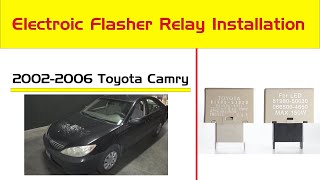
🎬 Learn how to install an LED-compatible flasher relay correctly.Is the hazard flasher the same as the turn signal relay?
Yes, on the 2003-2008 Honda Pilot, a single combination relay controls both the turn signals and the emergency hazard lights. That's why when it fails, both systems are usually affected.
Helpful Videos
Technical Specifications
OEM Part Numbers: 38300-SDB-A03 38300-SDA-A03
Combination Turn Signal & Hazard Flasher Relay
We Have This Part in Stock


The information in this article is provided for general reference and educational purposes only. Vehicle specifications, procedures, and part compatibility can vary by production date, trim level, and region. Always consult your vehicle's factory service manual and verify part numbers before purchasing or performing repairs. Safety-critical components such as airbags, seat belts, and braking systems should be installed by a qualified professional.
- Honda Pilot:
- 🎬 Helpful Videos
- 🛍️ Shop This Part
- Is Your Honda Pilot's Flasher Failing?
- Safety First: A Critical Part
- Common Symptoms of a Bad Flasher Relay
- Choosing Your New Aftermarket Flasher
- Pro Tip: Match the Part Number
- Cost of Replacing a Hazard Warning Flasher
- DIY Installation: A Simple Fix
- Known Issues, Recalls, and TSBs
- Frequently Asked Questions (FAQ)
- 🎟️ Get 5% Off