

Honda Pilot Knock Sensor Guide (2003-2008): Symptoms, Brands, and Replacement
Is your 2003-2008 Honda Pilot feeling sluggish and showing a check engine light? It might be the knock sensor.
- The P0325 code is the primary indicator of a knock sensor issue.
- Always inspect the wiring harness for rodent damage, a common issue on these vehicles.
- Due to the difficult, labor-intensive replacement, using a high-quality brand like NGK or Delphi is strongly recommended.
- Plan to replace the upper and lower intake manifold gaskets at the same time to prevent future leaks.
Understanding Knock Sensor Failure on Your Pilot


The knock sensor on the first-generation Honda Pilot is a critical but often misunderstood part. When it fails, your vehicle's computer gets confusing signals, or no signal at all. In response, the computer will switch to a safe, pre-programmed ignition timing map to prevent potential engine damage. This "limp mode" results in the poor performance and fuel economy many owners experience when the sensor goes bad.
A Known Issue: Rodent Damage
Before you buy a new sensor, inspect the wiring harness. Honda issued a Technical Service Bulletin (TSB #104) for the 2003 Pilot regarding rodent damage to the knock sensor harness. The soy-based wiring insulation used during this era can attract rodents, who chew the wires and cause a circuit failure. The sensor itself may be fine, but a damaged wire will trigger the same P0325 code. It is highly recommended to replace the short wiring harness sub-assembly along with the sensor.
🎬 See how a chewed harness causes the P0325 code.Choosing the Right Aftermarket Knock Sensor

The knock sensor replacement on this vehicle is labor-intensive (more on that below). Because of the high cost of labor, choosing a reliable, high-quality sensor is extremely important to avoid doing the job twice. While an OEM sensor from Honda is a safe bet, several aftermarket brands offer a good balance of quality and price.
Here’s a breakdown of the available brands, tiered by general market reputation:
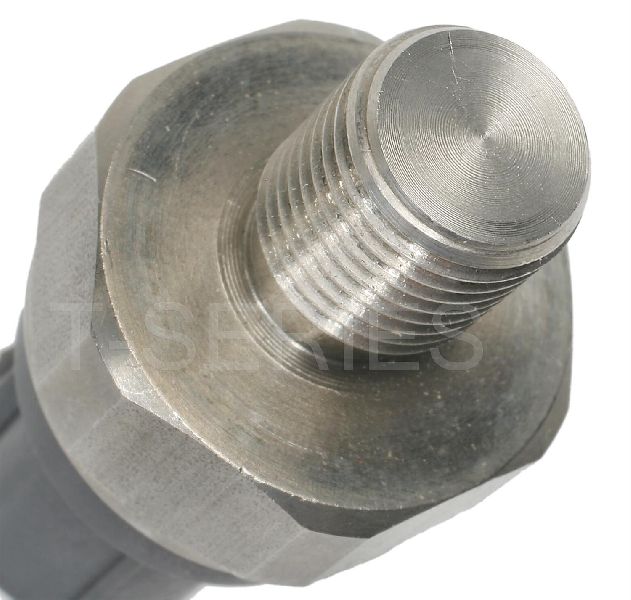
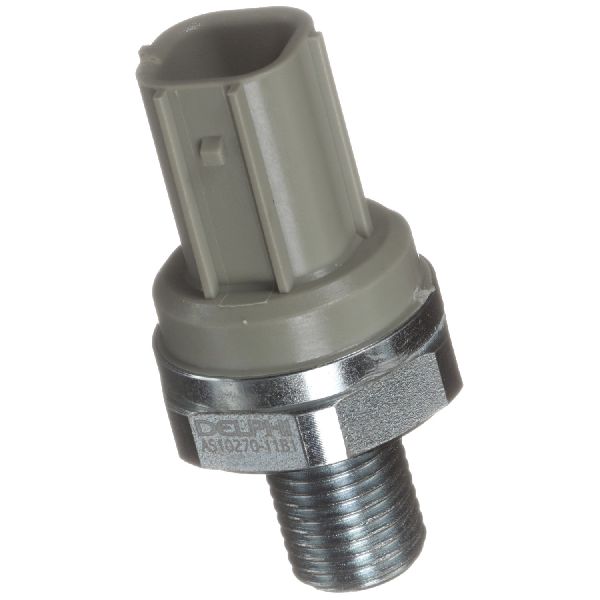
- Top Tier (OEM-Equivalent Quality): Brands like NGK (also NTK) are often original equipment suppliers for Honda and are widely trusted for fit and performance. Delphi is another major OE supplier known for producing quality electronics that meet or exceed factory specifications. For a part this difficult to access, spending a little more on a top-tier brand is a smart investment.
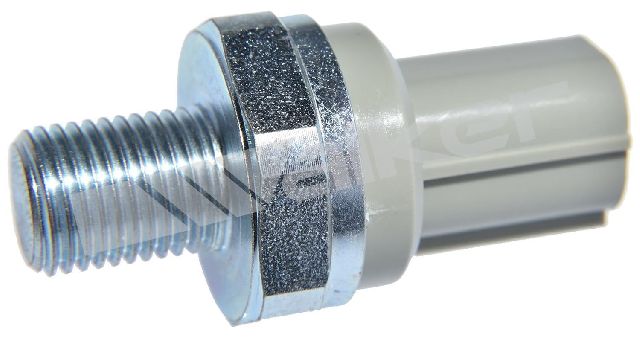
- Mid-Tier (Trusted Aftermarket): Standard Ignition (SMP) and Walker Products are well-known aftermarket manufacturers that produce a huge range of sensors. They offer a reliable alternative to OEM and top-tier brands, often with a good warranty.
- Value Tier: Brands like Holstein, Global Parts, and True Tech provide a budget-friendly option. While they can work just fine, they are generally recommended for easier-to-replace parts where the risk of premature failure doesn't involve a major repair job. Given the difficulty of this installation, most mechanics would advise choosing a brand from a higher tier.
Pro Tip: Replace the Gaskets
This repair requires removing the upper and lower intake manifolds. These parts use gaskets that should be replaced to ensure there are no air or coolant leaks after reassembly. Always install new intake gaskets when replacing the knock sensor.
Cost of Replacing a 2003-2008 Honda Pilot Knock Sensor

The cost is split between the part itself and the significant labor required for installation. The sensor is located deep in the engine valley between the cylinder heads, underneath the entire intake manifold assembly.
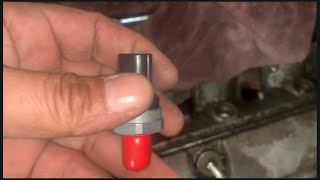
🎬 Watch this video to see exactly where the sensor is located.| Item | Estimated Cost |
|---|---|
| New Aftermarket Knock Sensor | $31 - $59 |
| New OEM Honda Knock Sensor | $60 - $90 |
| Shop Labor | $300 - $500 |
| Total Professional Replacement | $350 - $600+ |
Frequently Asked Questions

What are the most common symptoms of a bad knock sensor on a Honda Pilot?
The most common symptoms are an illuminated Check Engine Light with code P0325, and often the VTM-4 light will come on as well. You may also notice reduced engine power, hesitation during acceleration, and a decrease in fuel economy. In some cases, you might hear a metallic pinging sound from the engine, especially under load.
Can I drive my Pilot with a bad knock sensor?
Yes, you can drive the vehicle, but it is not recommended for an extended period. The engine's computer will default to a safe mode that protects the engine but results in poor performance and high fuel consumption. Driving for a long time with this issue could potentially lead to other problems.
Is this a DIY job? How hard is the replacement?
This is an advanced DIY repair. The knock sensor is located under the intake manifolds in the valley of the V6 engine. The job requires removing the air intake, throttle body, fuel rails, and both upper and lower intake manifolds to gain access. It requires 3-4 hours of work and a good set of tools, including a torque wrench. For most owners, this is a job best left to a professional mechanic.
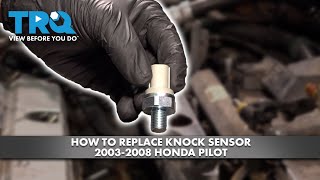
🎬 Watch this step-by-step walkthrough of the entire replacement process.My mechanic says the sensor is fine but the wire is chewed. What happened?
This is a common problem. Honda has a Technical Service Bulletin (TSB) acknowledging that rodents are attracted to the soy-based insulation on the knock sensor wiring harness and may chew through it. This breaks the electrical circuit and triggers the P0325 code, even if the sensor is perfectly fine. Always inspect the harness and plan to replace the short sub-harness along with the sensor.
Are there any recalls for the knock sensor on the 2003-2008 Honda Pilot?
No. There have been no safety recalls issued by the NHTSA for the knock sensor on this generation of Honda Pilot. There have been major recalls for Takata airbags and the ignition switch interlock, but these are unrelated to the knock sensor.
Helpful Videos
Technical Specifications
OEM Part Numbers: 30530-P8F-A01
Location: Engine valley, under intake manifold. Socket Size: 24mm deep socket. Torque Specification: 23 ft-lbs.
We Have This Part in Stock


The information in this article is provided for general reference and educational purposes only. Vehicle specifications, procedures, and part compatibility can vary by production date, trim level, and region. Always consult your vehicle's factory service manual and verify part numbers before purchasing or performing repairs. Safety-critical components such as airbags, seat belts, and braking systems should be installed by a qualified professional.
- Honda Pilot: