

A Practical Guide to Spark Plugs for the 2003-2008 Hyundai Elantra
Keep your Elantra's 2.0L engine running strong by choosing the right spark plugs.
- For best results, choose premium aftermarket brands like NGK or Denso, which are often the original equipment suppliers for Hyundai.
- The job is very DIY-friendly and can be done with basic tools in under an hour, saving on labor costs.
- Symptoms like rough idle, poor acceleration, and a drop in fuel economy are strong indicators that your plugs need replacement.
- Ensure new plugs are gapped to 0.044 inches (1.1 mm) before installation for optimal performance.
Signs of Failing Spark Plugs

When your Elantra's spark plugs wear out, they'll give you clear warning signs. You don't need to be a mechanic to notice them. Worn plugs can't create a strong enough spark, which affects how the engine burns fuel.
- Rough Idle: Your car may feel shaky or vibrate more than usual when you're stopped at a light.
- Trouble Starting: The engine may take longer to turn over or feel hesitant when you start the car.
- Poor Acceleration: The car might feel sluggish or slow to respond when you press the gas pedal.
- Worse Gas Mileage: You might notice you're filling up the tank more often. Worn plugs can decrease fuel economy.
- Engine Misfires: You may feel a jerking or stumbling sensation while driving, which is often a cylinder failing to fire correctly.
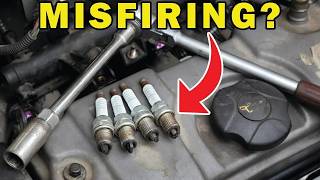
- Check Engine Light: A misfire will often trigger the check engine light. Common codes include P0300 (random misfire) or P0301, P0302, P0303, and P0304, which point to specific cylinders. 🎬 See how to diagnose and fix these common misfire codes.
Choosing the Right Aftermarket Spark Plugs

For the 2003-2008 Elantra, you have many aftermarket spark plug options. The original plugs were typically made by NGK or Champion. Sticking close to the original equipment (OEM) design is a safe bet for reliable performance. The brands available can be grouped into tiers.
Aftermarket Brand Tiers
| Tier | Brands | Description |
|---|---|---|
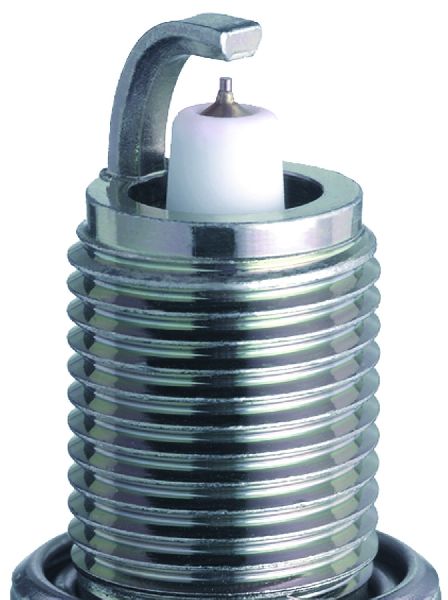
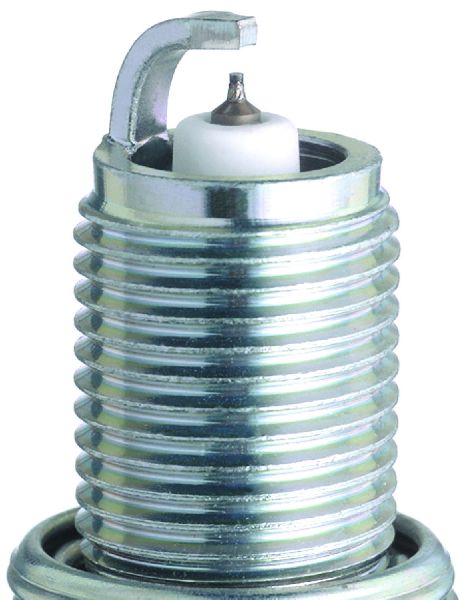
| Premium / OEM-Equivalent | NGK, Denso | These brands are often the original suppliers for Hyundai. Choosing their Iridium or Platinum plugs is the closest you can get to factory quality and ensures the best compatibility and longevity. |
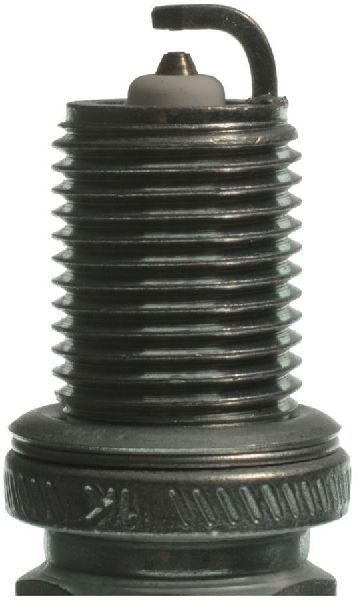
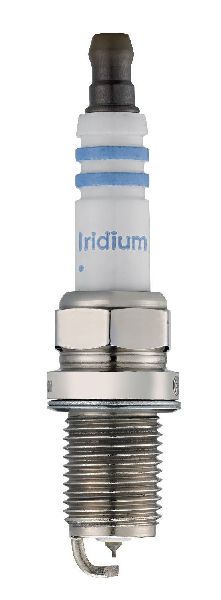
| Reliable Aftermarket | Bosch, Champion | These are well-known, reputable brands that offer quality plugs. They are a solid choice and often provide good performance and value. |
| Economy Options | Autolite, Skyward | These brands offer a budget-friendly solution. They will get the job done but may not last as long as premium iridium or platinum plugs. |
| Other Brands | Motorcraft, ACDelco | These are OEM brands for Ford and GM. While they may have a part that fits, it's generally best to stick with brands that specialize in or supply Asian vehicles. |
Pro Tip: Iridium vs. Platinum vs. Copper
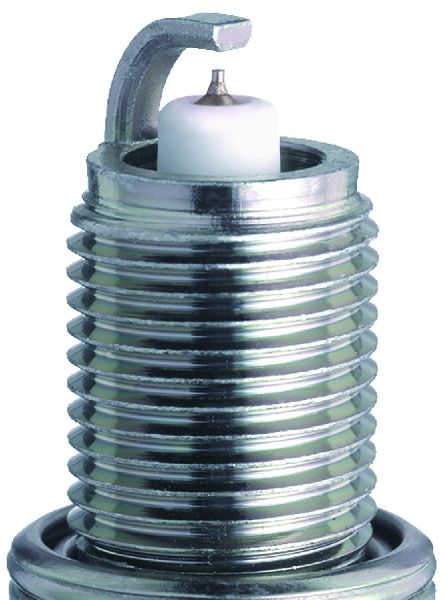
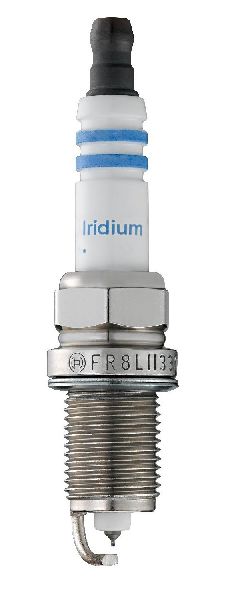
Your Elantra can use different types of plugs. Iridium plugs are the most expensive but offer the longest life (often up to 100,000 miles) and most consistent performance. Platinum plugs are a great middle-ground, offering good longevity and performance. Copper plugs are the cheapest but have the shortest lifespan and should be changed more frequently.
Known Issues, TSBs, and Recalls
The 2003-2008 Hyundai Elantra is not known for widespread spark plug problems. Searches of National Highway Traffic Safety Administration (NHTSA) data show no recalls or technical service bulletins (TSBs) specifically related to spark plug failure for this generation. Recalls for these model years relate to other components like control arms and brake lines. Any misfire issues are typically solved by routine replacement of the plugs and, if needed, the spark plug wires or ignition coils.
🎬 Watch a quick 15-minute walkthrough for replacing plugs and coils.Frequently Asked Questions (FAQ)

How often should I change the spark plugs on my 2003-2008 Elantra?
The replacement interval depends on the type of spark plug. Standard copper plugs may need changing every 30,000 miles. However, long-life iridium or platinum plugs can last much longer, with some recommendations going up to 95,000 miles. Always check your owner's manual for the specific interval recommended for your vehicle.
What is the correct spark plug gap for a 2003-2008 Elantra?
The correct spark plug gap is 0.044 inches (1.1 mm). While most premium plugs come pre-gapped, it is always a good idea to verify the gap with a feeler gauge before installation.
Can I replace the spark plugs myself?
Yes, this is a great DIY job for beginners. The 2.0L engine in the Elantra provides easy access to the spark plugs on top of the engine. The job requires only basic tools like a socket wrench, an extension, and a spark plug socket. It can typically be completed in under an hour.
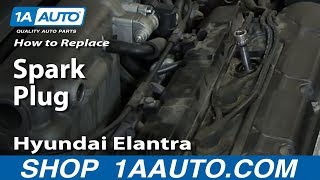
🎬 Watch this step-by-step guide to installing new spark plugs.Should I replace the spark plug wires at the same time?
It's a good practice to replace the spark plug wires when you replace the plugs, especially if they are original or show signs of wear like cracking or brittleness. New wires ensure the electrical spark travels to the new plugs without any loss of energy.
Helpful Videos

Technical Specifications
OEM Part Numbers: 18814-11051 27410-23700 18822-11091
Spark Plug Gap: 0.044 in (1.1 mm)
We Have This Part in Stock

The information in this article is provided for general reference and educational purposes only. Vehicle specifications, procedures, and part compatibility can vary by production date, trim level, and region. Always consult your vehicle's factory service manual and verify part numbers before purchasing or performing repairs. Safety-critical components such as airbags, seat belts, and braking systems should be installed by a qualified professional.
- Hyundai Elantra: