

Isuzu Ascender Disc Brake Rotor Guide for 2003-2008 Models
Keep your Ascender stopping safely and smoothly by choosing the right replacement brake rotors.
- The Ascender shares brake parts with the Chevy Trailblazer and GMC Envoy, making parts easy to find.
- Always replace rotors in pairs (front or rear) and install new brake pads at the same time.
- Vibrations when braking are a key sign that your rotors are warped and need replacement.
- For most owners, a quality daily-driver brand like ACDelco, Raybestos, or Wagner offers the best value.
Is It Time for New Rotors on Your Ascender?
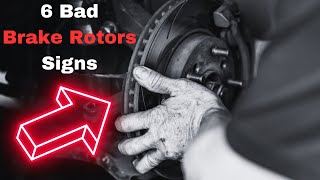
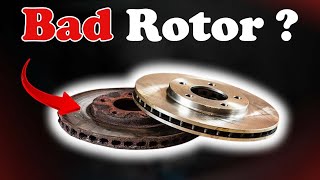
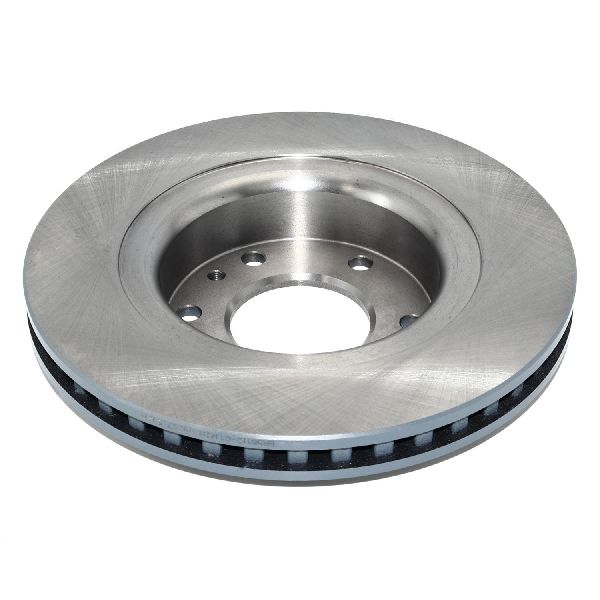
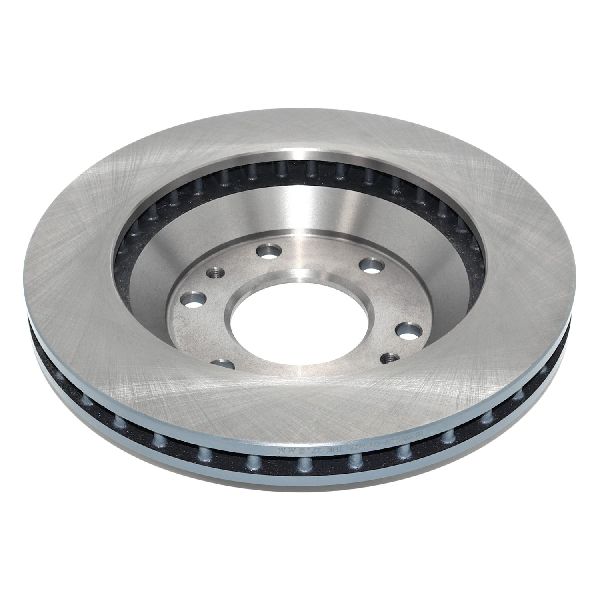
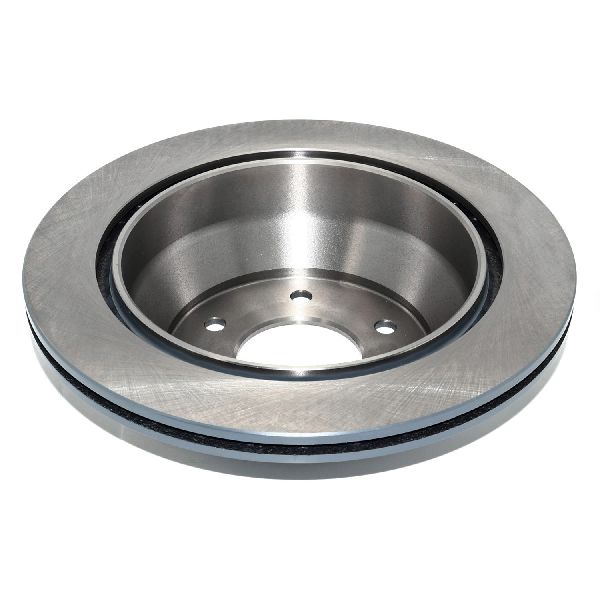
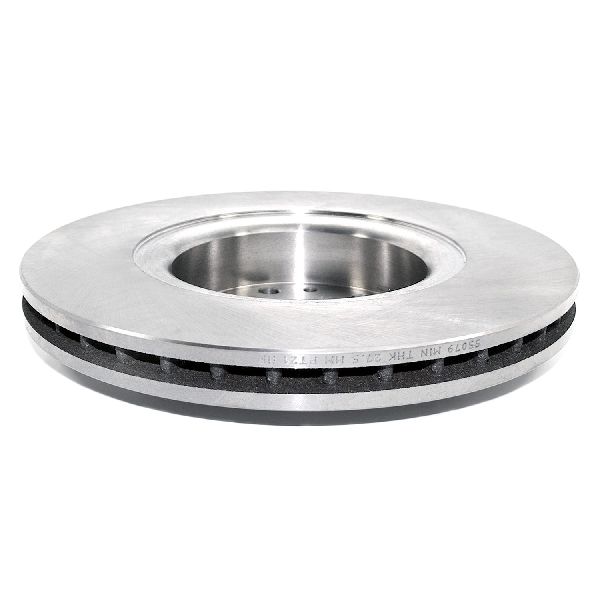
Brake rotors on the Isuzu Ascender, like on any vehicle, are wear-and-tear parts. They won't last forever. If you're feeling a vibration or pulsation in the brake pedal or steering wheel when you brake, it's a classic sign of warped rotors. 🎬 See a breakdown of the top symptoms of a bad rotor. You might also hear squeaking or grinding noises, which could mean the rotors are heavily scored or worn thin. A visual inspection can also tell you a lot; look for deep grooves, a visible lip on the outer edge, or a blueish tint from overheating.
🎬 Watch this video to learn about common brake disc failure signs.A Note on the GMT360 Platform
Your 2003-2008 Isuzu Ascender is part of the General Motors GMT360 family. This means it shares its chassis and many of its parts, including brakes, with the Chevrolet Trailblazer, GMC Envoy, Buick Rainier, Oldsmobile Bravada, and Saab 9-7X. This is great news for owners, as it means parts are widely available and often more affordable. When searching for brake rotors, you can often use these other vehicle models to find compatible parts.
Choosing the Right Aftermarket Rotors
Since new OEM (Original Equipment Manufacturer) parts for a vehicle of this age can be hard to find or expensive, the aftermarket is your best bet. Aftermarket parts are made by companies other than the original manufacturer and come in different quality and price tiers.
- Economy Brands (e.g., Pronto, Dynamic Friction): These are your basic, budget-friendly options. They will get the job done for normal daily driving but may not have the same lifespan or heat resistance as more expensive options. They are a good choice if you're on a tight budget.
- Daily Driver / OEM-Equivalent Brands (e.g., ACDelco, Raybestos, Wagner, Centric): This is the sweet spot for most Ascender owners. Brands like ACDelco are often the original supplier to GM, so their parts are very close to the original factory quality. Raybestos and Wagner have a long-standing reputation for producing reliable, durable brake components that meet or exceed OEM specifications. Centric is another popular choice offering solid quality. These rotors provide a great balance of performance, durability, and price.
- Performance Brands (e.g., Powerstop, EBC Brakes, Hawk, Brembo): If you use your Ascender for towing or live in a hilly area, upgrading to performance rotors is a smart move. These rotors are often drilled or slotted to help dissipate heat more effectively, reducing brake fade. Powerstop is well-known for its complete brake kits that include pads and rotors. EBC, Hawk, and Brembo are premium brands focused on high-performance stopping power.
Aftermarket Disc Brake Rotor Cost
| Rotor Quality | Estimated Price (Per Rotor) |
|---|---|
| Economy | $40 - $70 |
| Daily Driver / OEM-Equivalent | $55 - $110 |
| Performance (Drilled/Slotted) | $90 - $190+ |
Known Issues, Recalls, and Bulletins
As of early 2026, there are no specific NHTSA recalls for the disc brake rotors on the 2003-2008 Isuzu Ascender. However, there are general complaints about brake line corrosion on some GMT360 vehicles, which is something to be aware of. Additionally, some owners on forums have noted issues with the ABS system activating unexpectedly on dry pavement, which can sometimes be traced to rust buildup affecting the wheel speed sensors located in the hub assembly, not the rotor itself. When replacing rotors, it's a good time to inspect the entire brake system, including lines, hoses, and calipers, for wear or corrosion.
Frequently Asked Questions (FAQ)
Do I need to replace my brake pads when I replace my rotors?
Yes, it is highly recommended. Installing new rotors with old, worn brake pads will cause the new rotors to wear out unevenly and much faster. Always install new pads with new rotors to ensure proper break-in and a long service life for both components.
Should I get blank, drilled, or slotted rotors?
For most daily driving, standard blank (smooth) rotors are perfectly fine and offer the best durability. Drilled and slotted rotors are designed for performance applications to improve cooling and reduce brake fade under heavy use, like towing or aggressive driving. For a daily-driven Ascender, a quality blank rotor is usually the best and most cost-effective choice.
Why are my new rotors turning blue?
A blue or purplish discoloration on the rotor surface is a sign of overheating. This can be caused by aggressive driving, towing heavy loads without adequate brakes, or a problem with a sticking brake caliper that isn't releasing properly. If you see this, you should have your brake system inspected.
Can I replace just one rotor?
No, you should always replace brake rotors in pairs on the same axle (both front wheels or both rear wheels). This ensures that your braking is even and balanced. Replacing only one can cause the vehicle to pull to one side when braking, which is dangerous.
Helpful Videos
Technical Specifications
OEM Part Numbers: 88964167 88964168 19178253
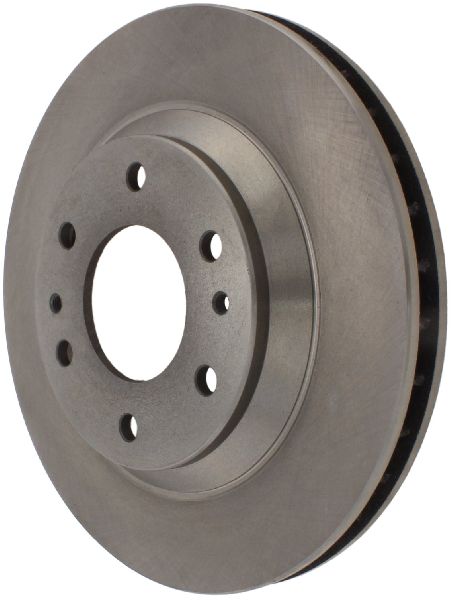
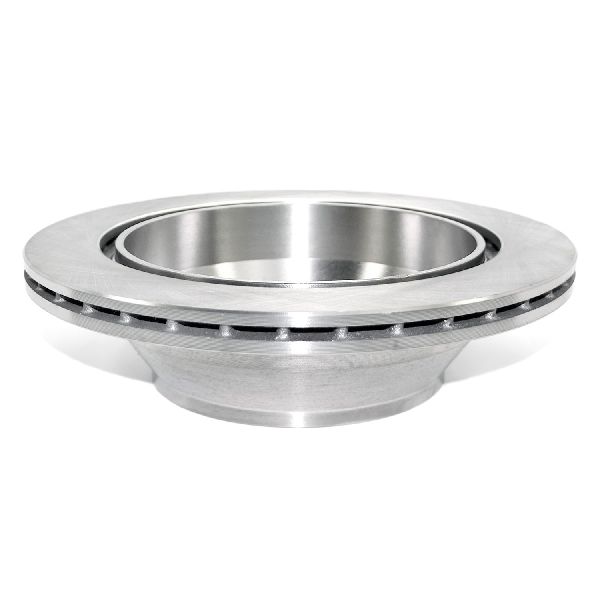
The 2003-2008 Isuzu Ascender uses a 6-lug wheel pattern. Rotors are typically made of G3000 cast iron. Always verify the specific rotor diameter and thickness for your vehicle's configuration (2WD/4WD, specific year) before purchasing.
We Have This Part in Stock

The information in this article is provided for general reference and educational purposes only. Vehicle specifications, procedures, and part compatibility can vary by production date, trim level, and region. Always consult your vehicle's factory service manual and verify part numbers before purchasing or performing repairs. Safety-critical components such as airbags, seat belts, and braking systems should be installed by a qualified professional.
- Isuzu Ascender: