

Isuzu Ascender Engine Coolant Temperature Sensor Guide (2003-2008)
Understand the symptoms of a failing coolant sensor and choose the right replacement for your 2003-2008 Isuzu Ascender.
- A bad ECT sensor can cause overheating, poor fuel economy, and a Check Engine Light.
- For best results, choose a quality aftermarket brand like ACDelco or Delphi, which were original equipment suppliers.
- Replacement can be challenging for DIYers due to the sensor's location behind the alternator on the 4.2L engine.
- There are no known recalls or TSBs specifically for the ECT sensor on this vehicle.
Is Your Isuzu Ascender's Temperature Gauge Acting Up?
A faulty Engine Coolant Temperature (ECT) sensor can cause a variety of confusing problems for your 2003-2008 Isuzu Ascender. Since the Ascender shares its platform with the GMC Envoy/Chevy Trailblazer, it relies on this small but crucial sensor for proper engine management. A bad sensor can trick the engine's computer into making incorrect adjustments, leading to poor performance and potentially serious issues.
Symptoms of a Failing ECT Sensor
When the ECT sensor starts to fail, it can send incorrect signals or no signal at all. Look out for these common signs:
- Check Engine Light: The most common indicator. The ECU will log a fault code when it detects a problem with the sensor's signal.
- Poor Fuel Economy: If the sensor incorrectly tells the ECU the engine is cold, the computer will continuously run a rich fuel mixture, wasting gas.
- Engine Overheating: A failed sensor might not signal the ECU to turn on the cooling fans when needed, causing the engine to overheat, especially in traffic.
- Black Smoke from Exhaust: This is a sign of a rich fuel mixture, where unburned fuel is exiting through the exhaust.
- Hard Starting or Rough Idle: The engine may be difficult to start, particularly when warm, or it may idle erratically.
- Erratic Temperature Gauge: The gauge on your dashboard may read unusually high, low, or fluctuate randomly.
Can I Drive with a Bad ECT Sensor?
It is not recommended. Driving with a faulty ECT sensor can lead to engine overheating, which may cause severe damage like a warped cylinder head or failed head gasket. It can also lead to poor fuel economy and damage to other components like oxygen sensors and the catalytic converter.
Choosing the Right Aftermarket ECT Sensor
Since the Isuzu Ascender is based on a General Motors platform, many parts are shared. For electronic sensors, it's wise to stick with brands known for their OE (Original Equipment) quality.
- Top Tier (OE-level Quality): ACDelco and Delphi are the primary choices. ACDelco was the original equipment brand for GM vehicles, and Delphi was a major parts supplier spun off from GM. While both are excellent options, some forum users have noted that manufacturing locations have changed over the years, and quality can occasionally be inconsistent even with premium brands. However, they remain the most recommended for reliability.
- Mid-Grade (Reputable Aftermarket): Brands like NGK/NTK, Standard Motor Products (SMP), and Hella offer reliable alternatives. They have strong reputations in the aftermarket and produce sensors that meet or exceed OEM specifications.
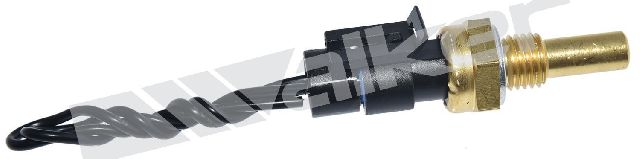
- Economy Brands: While brands like Walker Products or other value-focused options are available at a lower price, sensor accuracy is critical for engine management. For a part this important, investing a few extra dollars in a higher-tier brand is recommended to avoid performance issues and repeat repairs.
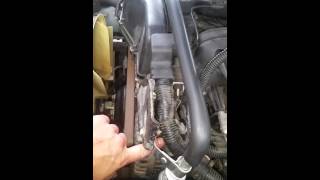
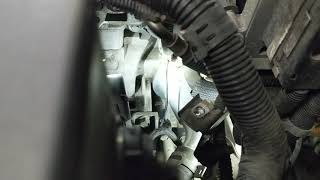
Pro Tip: The ECT sensor for the 4.2L 6-cylinder engine is located on the driver's side of the cylinder head, below the intake manifold and behind the alternator. Access can be tight, and on some models, removing the alternator is necessary for replacement, which adds to the labor time.
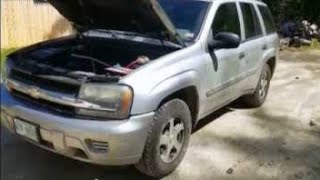
🎬 See this step-by-step sensor replacement walkthrough for the 4.2L engine.Cost of Replacing the ECT Sensor
The cost can vary significantly between doing it yourself and having a shop perform the work.
| Part/Service | Estimated Cost |
|---|---|
| New Aftermarket ECT Sensor | $16 - $61 |
| Shop Labor | $100 - $250+ |
| DIY vs. Shop Total | $16 (DIY) vs. $120 - $310+ (Shop) |
Note: Labor costs can be higher if the alternator must be removed for access. RepairPal estimates a much higher total cost, which may factor in a full cooling system diagnostic or other related repairs.
Frequently Asked Questions
Are there any recalls for the Isuzu Ascender ECT sensor?
No. Searches of the National Highway Traffic Safety Administration (NHTSA) database show no specific recalls or technical service bulletins (TSBs) for the engine coolant temperature sensor on the 2003-2008 Isuzu Ascender. Recalls found for this vehicle relate to other components like the driver's door module.
Where is the ECT sensor located on the Isuzu Ascender?
For the common 4.2L inline-six engine, the ECT sensor is typically located on the driver's side of the cylinder head, towards the back. For V8 models, it is usually on the driver's side cylinder head, between the front two spark plugs. Always confirm the location for your specific engine.
Is replacing the ECT sensor a difficult DIY job?
It can be. While the part itself is simple to unthread and replace, access is the main challenge, especially on the 4.2L engine where it is tucked behind the alternator. If you are not comfortable removing other components to gain access or dealing with draining and refilling some engine coolant, it may be best to leave this job to a professional.
Should I replace the thermostat at the same time?
It's a good idea. The thermostat and ECT sensor work together to manage engine temperature. Since you will be accessing the same area of the engine and draining some coolant anyway, replacing the thermostat at the same time is a cost-effective and preventative measure.
🎬 Watch: How to replace the thermostat while you're in there.Helpful Videos
Technical Specifications
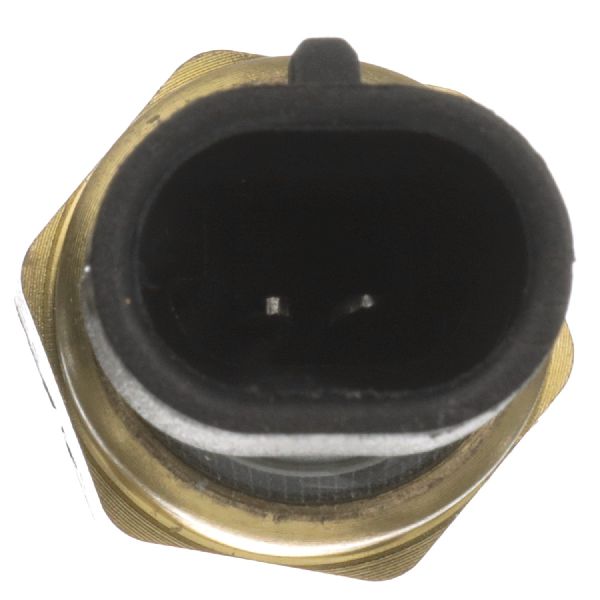
OEM Part Numbers: 19236568 12608814 213-4514
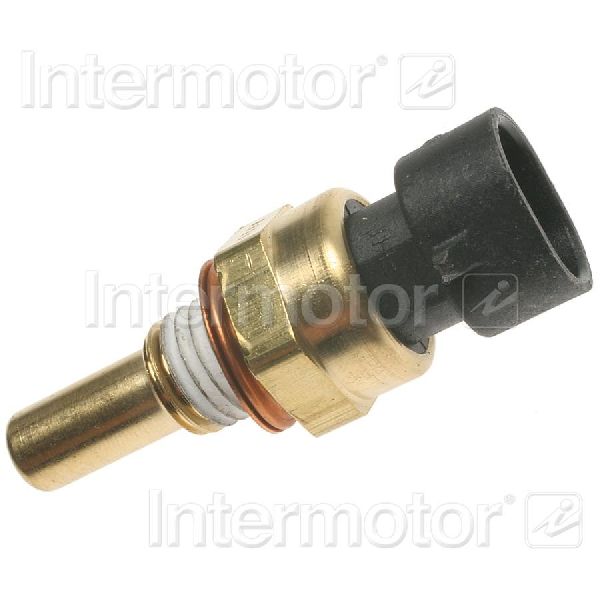
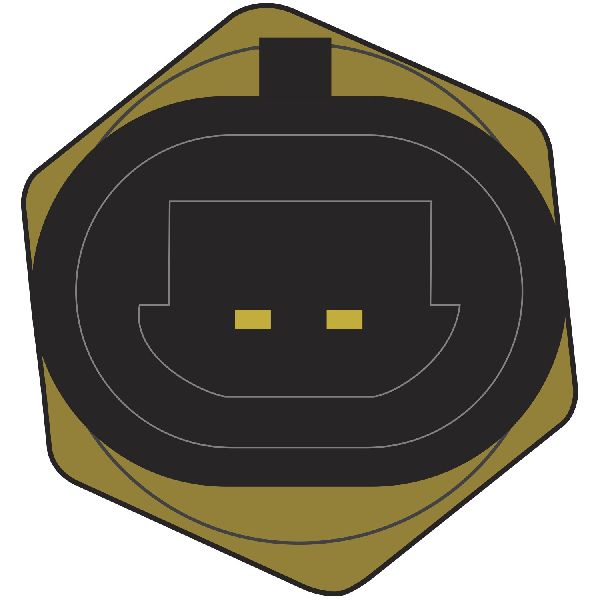
The sensor is a two-wire, negative temperature coefficient (NTC) thermistor. Its resistance decreases as the coolant temperature increases, allowing the ECU to interpret the temperature.
We Have This Part in Stock


The information in this article is provided for general reference and educational purposes only. Vehicle specifications, procedures, and part compatibility can vary by production date, trim level, and region. Always consult your vehicle's factory service manual and verify part numbers before purchasing or performing repairs. Safety-critical components such as airbags, seat belts, and braking systems should be installed by a qualified professional.
- Isuzu Ascender: