

Isuzu Ascender Crankshaft Position Sensor Guide (2003-2008)
Diagnose and fix stalling, no-start, and rough running issues related to a bad crankshaft sensor in your Ascender.
- A failing crankshaft sensor is a common issue on the Ascender platform, causing stalling and no-start conditions.
- For reliability, choose an OEM-grade replacement from brands like ACDelco or Delphi.
- A professional scan tool is required to perform the mandatory "CASE relearn" procedure after replacement.
- Driving with a faulty sensor is not recommended due to the high risk of the engine stalling in traffic.
Understanding Crankshaft Sensor Failure in Your Isuzu Ascender
If you own a 2003-2008 Isuzu Ascender, you should be aware of the crankshaft position sensor. This part is a known failure point on the General Motors platform your Ascender is built on, which includes the Chevy Trailblazer and GMC Envoy. When this sensor starts to fail, it can cause symptoms ranging from annoying to dangerous, like sudden engine stalling. Recognizing the signs early can help you avoid being stranded.
Symptoms of a Failing Crankshaft Position Sensor
A bad crank sensor will almost always let you know something is wrong. Here are the most common signs:
- Engine Stalling: The engine may shut off unexpectedly, often after it has warmed up. This can be extremely dangerous if it happens in traffic.
- No-Start Condition: You'll turn the key, and the engine will crank over and over but won't fire up. This happens because the ECU has no signal to tell it when to create spark and inject fuel.
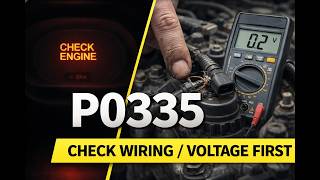
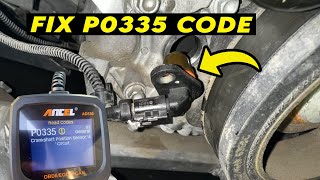
- Check Engine Light: A failure will trigger the Check Engine Light. Using a code scanner will typically reveal the code P0335, which points directly to a malfunction in the sensor's circuit.
- Rough Idle and Misfires: The engine may shake, vibrate, or run poorly because the ignition and fuel timing are out of sync.
- Poor Acceleration and Fuel Economy: With incorrect timing data, your Ascender will feel sluggish and use more gasoline than usual.
Safety First: The CASE Relearn Procedure
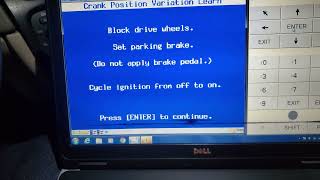
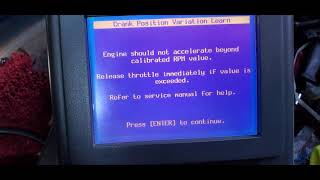
After replacing the crankshaft position sensor, your Ascender's computer needs to be recalibrated to the new sensor's signal. This process is called a Crankshaft Variation Relearn or "CASE relearn." Without this step, you may have a persistent Check Engine Light (code P1336) and the engine's misfire detection system will not work correctly. This procedure requires a professional-grade scan tool and cannot be done by simply disconnecting the battery. 🎬 Watch a demonstration of the CASE relearn procedure. While the vehicle may run without it, performing the relearn is the correct and final step of the repair.
Choosing the Right Aftermarket Crankshaft Sensor
For a part this critical to engine operation, brand and quality matter significantly. Not all aftermarket sensors are created equal. Here’s a breakdown of your options:
- Tier 1: OEM / OES Brands (Recommended): ACDelco and Delphi are the top choices. ACDelco is the original GM parts brand, and Delphi was the original equipment supplier for many of these parts. Choosing one of these two brands gives you the highest probability of a reliable, long-lasting repair that performs like the factory part.
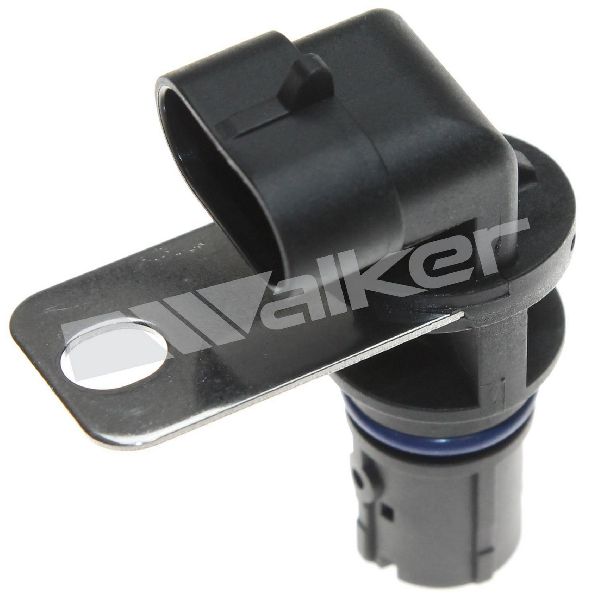
- Tier 2: Reputable Aftermarket Brands: Brands like NGK/NTK, Hitachi, Standard Ignition (SMP), and Walker Products have a long history of producing quality engine management components. These are solid alternatives if an OEM-tier part isn't available or if you're looking for a balance of quality and price.
- Tier 3: Economy/Value Brands: This category includes many private-label and budget-focused brands. While the low price is tempting, the quality can be inconsistent. For a sensor that can leave you stranded, it's generally advised to invest in a higher-tier brand to avoid doing the job twice.
| Part Type | Estimated Cost |
|---|---|
| New Aftermarket Sensor | $20 - $97 |
| New OEM (ACDelco) Sensor | $65 - $100 |
| Shop Labor for Installation | $100 - $180 |
| CASE Relearn Procedure (at shop) | $50 - $125 |
Pro Tip: Check for Oil Leaks
When replacing the sensor, inspect the area for oil leaks. Leaking engine oil can contaminate the sensor's wiring and connector, causing premature failure. Address any leaks from nearby components like the oil pan or engine block to protect your new sensor.
Installation Overview
Replacing the sensor is a feasible DIY job for those with some mechanical experience. The difficulty is moderate due to tight access.
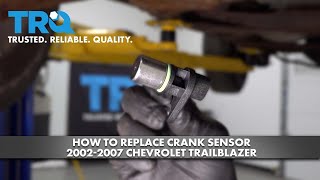
- Location (4.2L I6 Engine): 🎬 Watch this step-by-step replacement guide for the I6 engine. The sensor is on the driver's side of the engine block, toward the bottom, near the starter motor.
- Location (5.3L V8 Engine): 🎬 See how to replace the sensor on V8 models. The sensor is on the lower passenger side of the engine block, near the back of the engine, just above the starter.
- Access: The job is done from underneath the vehicle. You may need to raise the front of the Ascender for clearance. Removing the driver's side front wheel can sometimes provide a better angle of attack.
- Tools: You will need a ratchet with an extension and a 10mm socket. A small pry bar may be helpful to gently remove the old sensor if it's stuck.
Frequently Asked Questions (FAQ)
Is there a recall for the crankshaft sensor on the Isuzu Ascender?
No, there are no specific recalls from the NHTSA for a faulty crankshaft position sensor on the 2003-2008 Isuzu Ascender. There was a recall for the turn signal flasher module on 2003-2004 models, but it is unrelated.
Can I just clean the sensor instead of replacing it?
While it's possible for metal shavings on the sensor's magnetic tip to cause issues, cleaning is usually a temporary fix at best. The failures are typically internal to the sensor's electronics. Given the low cost of the part and the high risk of being stranded, replacement is the only recommended solution.
What's the difference between a crankshaft and camshaft sensor?
They are two different sensors that work together. The crankshaft sensor tracks the main rotation of the engine, while the camshaft sensor tracks the position of the valves. A failure in either can cause similar symptoms, but they are not interchangeable.
My car won't start after I replaced the sensor. What did I do wrong?
First, double-check that the electrical connector is fully seated and locked. Second, confirm you installed a quality part; cheap, out-of-spec sensors are a common cause of no-start issues after a repair. Finally, ensure the new sensor wasn't damaged during installation and that the wiring harness is in good condition.
Helpful Videos
Technical Specifications
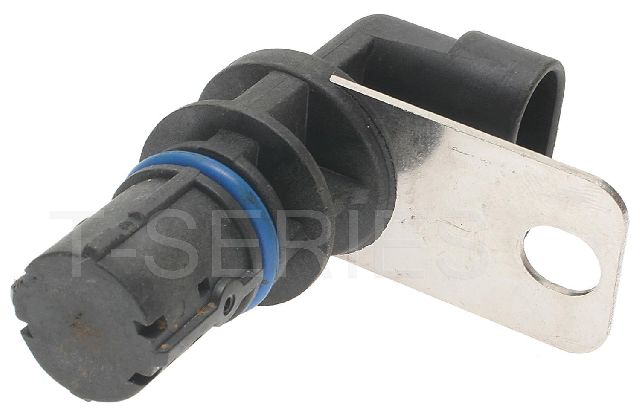
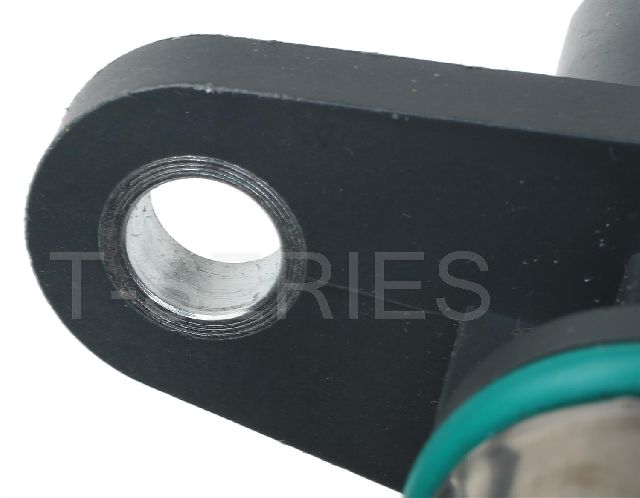
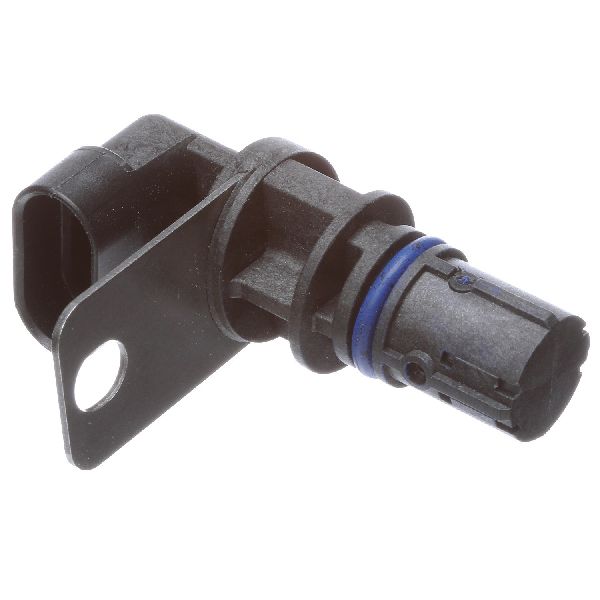
OEM Part Numbers: 12567712 213-970 213-354
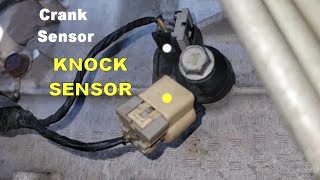
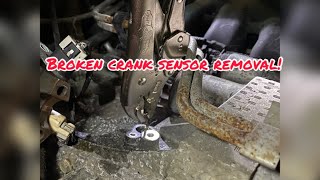
The sensor is located on the lower driver's side of the 4.2L engine block or the lower passenger side of the 5.3L engine block, typically held by a single 10mm bolt.
We Have This Part in Stock


The information in this article is provided for general reference and educational purposes only. Vehicle specifications, procedures, and part compatibility can vary by production date, trim level, and region. Always consult your vehicle's factory service manual and verify part numbers before purchasing or performing repairs. Safety-critical components such as airbags, seat belts, and braking systems should be installed by a qualified professional.
- Isuzu Ascender:
- 🎬 Helpful Videos
- 🛍️ Shop This Part
- Understanding Crankshaft Sensor Failure in Your Isuzu Ascender
- Symptoms of a Failing Crankshaft Position Sensor
- Safety First: The CASE Relearn Procedure
- Choosing the Right Aftermarket Crankshaft Sensor
- Pro Tip: Check for Oil Leaks
- Installation Overview
- Frequently Asked Questions (FAQ)
- 🎟️ Get 5% Off