

2003-2008 Volvo XC70 Engine Coolant Temperature Sensor Guide
Is your XC70 running rough, getting poor gas mileage, or showing a temperature warning? This small sensor could be the problem.
- For critical sensors, stick to Genuine Volvo or OEM-equivalent brands like Hella or Vemo to avoid problems.
- Symptoms like poor MPG, black smoke, and a rough idle are common signs of a failing ECT sensor on the XC70.
- The sensor is easy to access and replace; it's located in the thermostat housing on the top passenger side of the engine.
- It is highly recommended to replace the thermostat at the same time as the sensor, as they are located together.
Is Your XC70's Coolant Temp Sensor Failing?
A bad Engine Coolant Temperature (ECT) sensor can cause a surprising number of problems. Because the sensor's reading affects so many engine functions, a false signal can make your Volvo run poorly. If the sensor tells the computer the engine is cold when it's actually warm, the computer will inject too much fuel. This is called running "rich."
Common signs of a failing ECT sensor include:
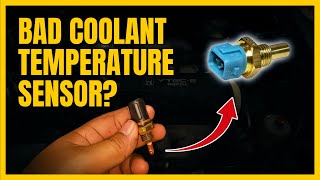
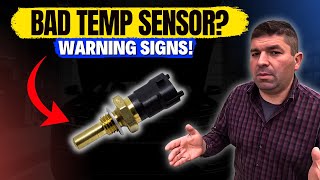
🎬 Watch: 8 common symptoms of a bad coolant temperature sensor.- Check Engine Light is on
- Worse than usual gas mileage
- Black smoke from the exhaust pipe
- Rough or unstable idle
- Engine overheating, or the temperature gauge showing erratic readings
- Cooling fan running all the time, or not coming on when it should
Choosing the Right Aftermarket Sensor: A Warning
When it comes to electronic sensors for your Volvo, not all aftermarket brands are created equal. While the price of some budget brands is tempting, using a low-quality sensor can cause the same problems as the faulty one you're replacing, leading to frustration and wasted time. Based on owner experiences, it's best to avoid the cheapest options.
Aftermarket Brand Quality Tiers
| Tier | Brands | Notes |
|---|---|---|
| OEM & OEM-Equivalent | Genuine Volvo, Hella, Vemo | These are your best bet. Hella and Vemo are known suppliers to European car makers. They cost more than budget brands but are trusted to perform correctly and last. |
| Mid-Grade / Mixed Reviews | Beck Arnley, Standard Ignition (Intermotor), NGK, Facet | These brands can be hit-or-miss. Some owners have success, while others report issues. One owner reported an Intermotor-branded sensor caused overheating, which was fixed by installing a genuine Volvo part. Consider these if on a tighter budget, but be aware of the potential risk. |
| Budget / Use with Caution | URO Parts, other unbranded/store brands | Owner forums strongly advise against using URO Parts for electronic sensors. They are frequently described as poor quality and unreliable, often failing right out of the box. While the low price is appealing, it's not worth the potential for continued performance issues. |
How to Replace the Sensor on Your XC70
The ECT sensor on the 2003-2008 XC70 is located in the thermostat housing, on the top, passenger side of the engine. The job is straightforward for a DIY mechanic.
🎬 See this step-by-step walkthrough for replacing the sensor.- Let the engine cool completely.
- Remove the plastic engine cover (held by a few Torx screws).
- Place a drain pan under the engine to catch any spilled coolant.
- Locate the sensor just below the thermostat. Unplug the electrical connector.
- Using a 19mm deep socket, unscrew the old sensor. Be ready for a small amount of coolant to leak out.
- Screw in the new sensor with its new sealing washer and tighten it to about 16 ft-lbs. Do not overtighten.
- Reconnect the electrical plug, replace the engine cover, and top off your coolant if needed.
Frequently Asked Questions
Where is the engine coolant temperature sensor located?
On the 2003-2008 Volvo XC70, the sensor is screwed into the thermostat housing. You can find this on the top of the engine, on the passenger's side, by following the upper radiator hose back to the engine.
Can I drive my XC70 with a bad coolant temperature sensor?
You can, but it is not recommended for long. A bad sensor can lead to poor fuel economy, fouling of spark plugs and oxygen sensors, and in a worst-case scenario, engine overheating and severe damage. It's best to get it replaced as soon as possible.
Are there any recalls for this part?
There is no direct recall for the sensor itself. However, a recall (NHTSA #09V242000) was issued for some 2008 XC70 models for a faulty Fan Control Module software that could cause a rapid increase in engine temperature. This highlights the importance of a fully functional cooling system.
Why is my car running rich (black smoke, bad gas mileage)?
A common failure mode for the ECT sensor is to send a signal to the engine's computer that the engine is always cold. The computer then enriches the fuel mixture (adds more fuel) to help the "cold" engine run. This excess fuel doesn't burn completely, leading to black smoke, poor fuel economy, and potential damage to the catalytic converter over time.
Helpful Videos




Technical Specifications
OEM Part Numbers: 8653103
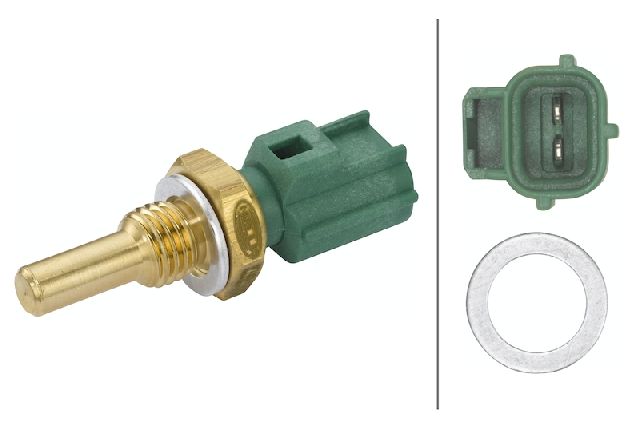
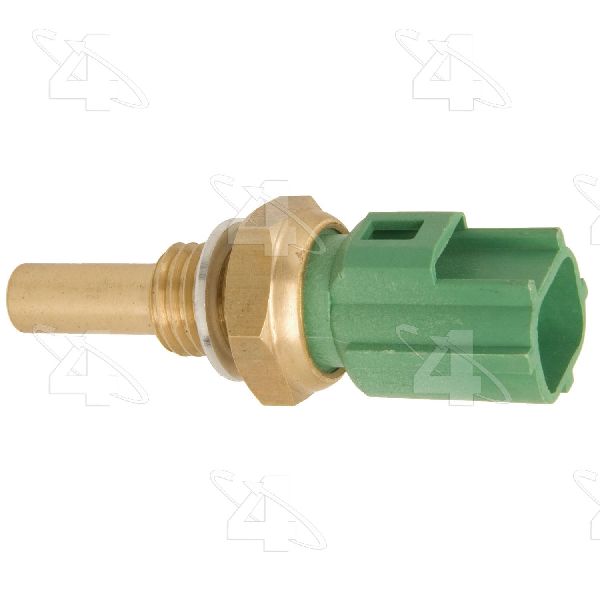
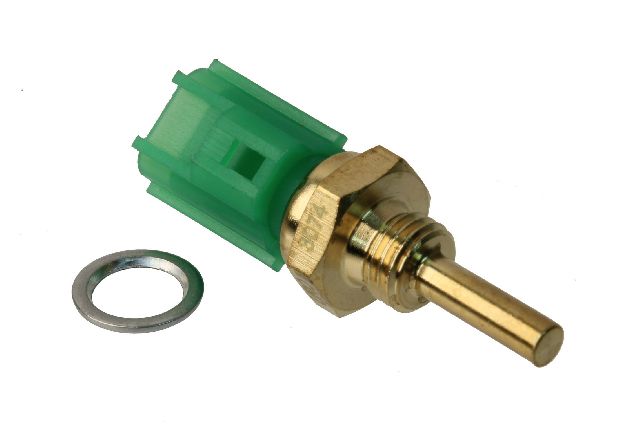
Two-wire negative temperature coefficient (NTC) thermistor. Located in thermostat housing.
We Have This Part in Stock



The information in this article is provided for general reference and educational purposes only. Vehicle specifications, procedures, and part compatibility can vary by production date, trim level, and region. Always consult your vehicle's factory service manual and verify part numbers before purchasing or performing repairs. Safety-critical components such as airbags, seat belts, and braking systems should be installed by a qualified professional.
- Volvo XC70: