

A Guide to the 2003-2008 Volvo XC70 Intercooler Hoses and Pipes
If your turbocharged XC70 is losing power or smoking, a failing intercooler hose is a likely and fixable problem.
- Symptoms like power loss, black smoke, and a P0299 code strongly point to a failed intercooler hose.
- Inspect hoses for softness, swelling, or splits, which are common failures caused by age and oil exposure.
- Check the plastic 'over-the-engine' pipe for cracks near its mounting tabs, as this is another common failure point.
- Consider upgrading to more durable silicone hoses to prevent repeat failures, and avoid the cheapest aftermarket options which have a poor reputation.
Symptoms of a Failing Intercooler Hose
A leak in the intercooler system creates a "boost leak," meaning the pressurized air from the turbo escapes before it reaches the engine. When your XC70 has a bad intercooler hose, the symptoms are usually quite noticeable.
- Significant Loss of Power: The car will feel sluggish and slow to accelerate because the engine isn't receiving the full amount of boosted air.
- Black Smoke from Exhaust: With less air making it to the engine, the air-fuel mixture becomes too rich. This unburned fuel is expelled as black smoke, especially during acceleration.
- Check Engine Light (CEL): A boost leak will often trigger a Check Engine Light. The most common trouble code associated with this issue is P0299 (Turbocharger/Supercharger Underboost Condition).
- Hissing or Whistling Sounds: You may hear a distinct hissing or whistling noise from the engine bay as you accelerate. This is the sound of pressurized air escaping from a split in the hose or a loose connection.
- Poor Fuel Economy: The engine's computer tries to compensate for the incorrect air-fuel mixture, which often leads to burning more fuel than normal.
Common Failure Points
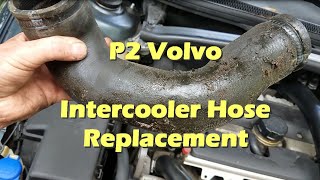
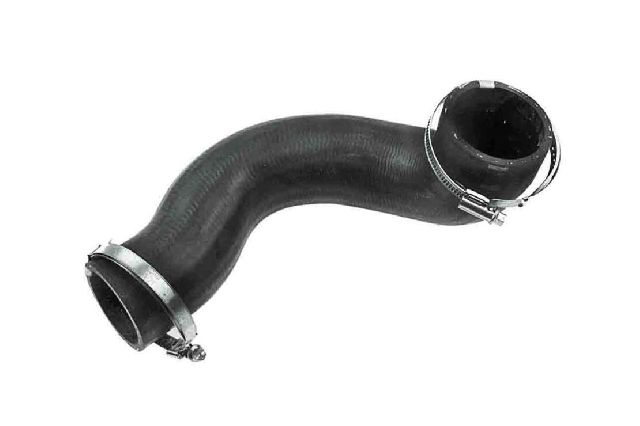
The rubber hoses in the system are prone to failure. Over time, oil vapor from the engine's crankcase ventilation (PCV) system can coat the inside of the hoses. This oil causes the rubber to soften, swell, and weaken, making it unable to withstand the pressure from the turbo. The hoses can become soft and floppy, split open, or even collapse under vacuum. Additionally, a hard plastic pipe that runs over the top of the engine is known to develop cracks, especially near its mounting points, often from being leaned on during service.
🎬 See this walkthrough for replacing the hard plastic charge air pipe.Choosing the Right Aftermarket Intercooler Hose
When replacing a failed intercooler hose, you have several aftermarket options. The quality and material can vary significantly, which is reflected in the price. For a part this critical to performance, choosing the right replacement is important.
Aftermarket Brand Tiers
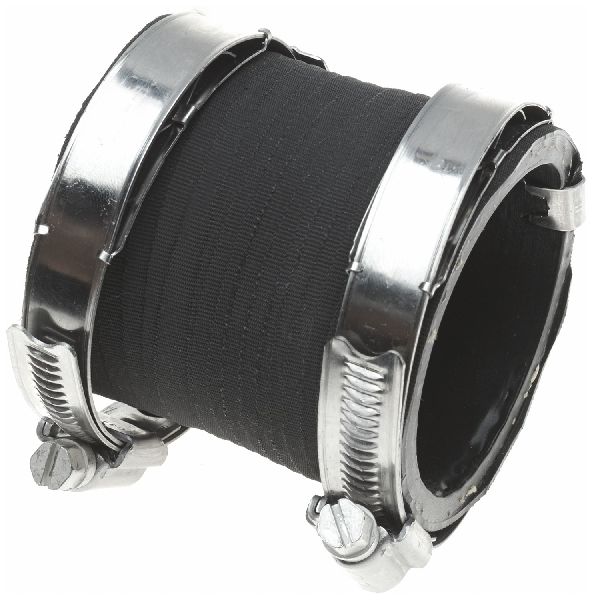
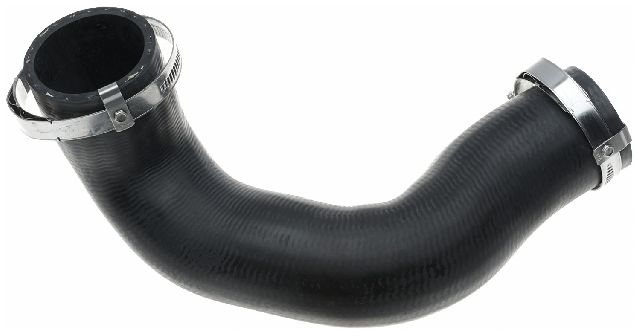
Premium Aftermarket (Example: Gates)
Brands like Gates are well-regarded for their rubber products. They often serve as original equipment manufacturers for many car brands. For the XC70, these brands may offer hoses in standard rubber or upgraded silicone. Silicone hoses are a popular upgrade as they are much more resistant to heat, pressure, and oil degradation, offering a longer service life than the original rubber parts.
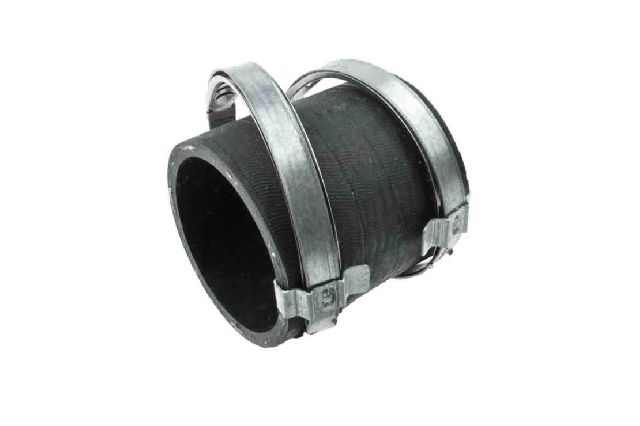
Standard Aftermarket (Example: Vaico)
These brands aim to provide a direct replacement that meets original specifications without the high cost of a genuine part. Vaico is a German brand that generally offers decent quality parts that fit and function correctly. A standard replacement is a good, cost-effective choice if you are not seeking a performance upgrade.
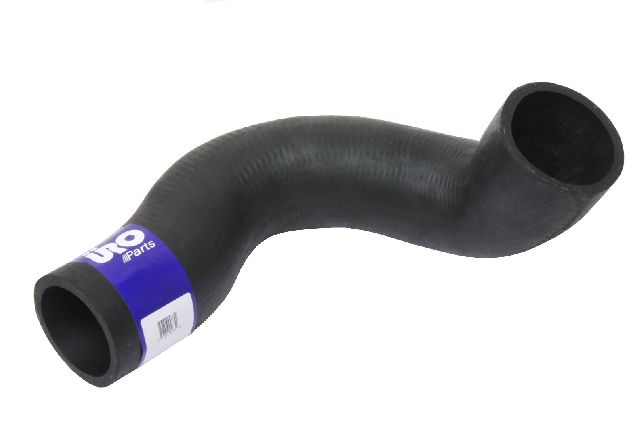
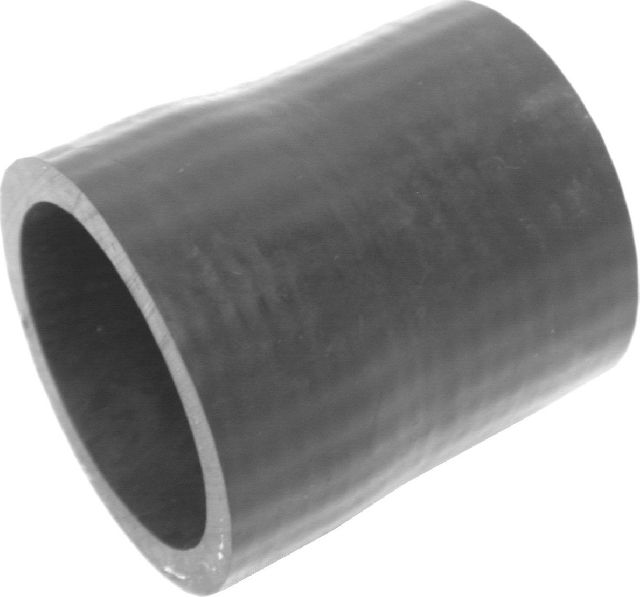
Economy Aftermarket (Example: URO Parts)
Economy brands offer the lowest price point. However, for critical rubber parts like a pressurized boost hose, caution is advised. Forum discussions and mechanic reviews often point to poor material quality, incorrect fitment, and a very short service life for the cheapest brands. A hose that fails prematurely will leave you with the same performance problems and require doing the job all over again.
Cost of Replacing an Intercooler Hose on a 2003-2008 Volvo XC70
| Part Type | Estimated Cost |
|---|---|
| New OEM (Genuine Volvo) | $100 - $180 |
| New Aftermarket | $23 - $84 |
| Shop Labor | $100 - $225 |
Frequently Asked Questions (FAQ)
Is it difficult to replace an XC70 intercooler hose myself?
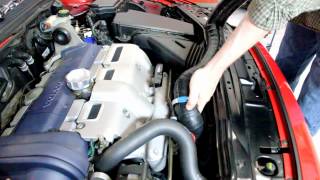
No, for most of the hoses, it is a DIY-friendly job. It typically involves loosening the hose clamps at each end with a screwdriver or a 7mm socket, removing the old hose, and fitting the new one. 🎬 Watch: A step-by-step guide to replacing your Volvo intercooler hoses. Some lower hoses may require you to safely raise the front of the vehicle and remove a plastic splash shield for access.
Should I replace just the one bad hose or all of them?
If one hose has failed due to age and oil saturation, the others are likely in a similar condition. It is wise to at least inspect all other accessible hoses. Many owners choose to replace the main rubber hoses with a more durable silicone kit to prevent future failures.
Is there a recall on the 2003-2008 XC70 intercooler hose?
No, there are no active NHTSA safety recalls for the intercooler hoses on this specific vehicle range. While some newer Volvo models had service campaigns for similar issues, the failures on the 2003-2008 models are generally considered maintenance items due to age.
What is the difference between the hot side and cold side hoses?
The "hot side" hose connects the turbocharger outlet to the intercooler inlet, carrying very hot compressed air. The "cold side" hose connects the intercooler outlet to the engine's throttle body, carrying the air after it has been cooled. Both are under pressure and can fail.
Helpful Videos


Technical Specifications
OEM Part Numbers: 30740896 30740895 8638967 31261371 30645293 30647918
The system consists of multiple rubber or silicone hoses and a hard plastic charge pipe. Hoses connect the turbo to the intercooler and the intercooler to the intake manifold. Common internal diameters are around 48mm to 56mm.
We Have This Part in Stock

The information in this article is provided for general reference and educational purposes only. Vehicle specifications, procedures, and part compatibility can vary by production date, trim level, and region. Always consult your vehicle's factory service manual and verify part numbers before purchasing or performing repairs. Safety-critical components such as airbags, seat belts, and braking systems should be installed by a qualified professional.
- Volvo XC70: