

Oxygen Sensor Guide for 2003-2009 Bentley Continental W12
Understand the causes of oxygen sensor failure and choose the right replacement for your W12 engine.
- Your Bentley Continental has four oxygen sensors; two upstream for fuel control and two downstream for catalyst monitoring.
- Bosch and NGK (NTK) are OEM-equivalent brands that offer the highest reliability for aftermarket replacements.
- Replacement is a very difficult job due to the W12 engine's tight packaging; engine removal was once recommended by Bentley for some sensors.
- A check engine light is the most common symptom, often related to heater circuit fault codes mentioned in a Bentley TSB.
Symptoms of a Failing Oxygen Sensor
A bad oxygen sensor can cause several noticeable problems. The most common sign is the check engine light appearing on your dashboard. You might also experience a rough idle, reduced fuel economy, or hesitation from the engine. In some cases, a failing sensor can lead to a failed emissions test. It's important to get a diagnostic scan to confirm the issue, as other parts, like an exhaust temperature sensor, can sometimes cause similar symptoms.
🎬 Watch a demonstration of an exhaust gas sensor replacement.Choosing the Right Aftermarket Oxygen Sensor
When replacing an oxygen sensor on a high-performance vehicle like the Bentley Continental, the quality of the replacement part is critical. While OEM is the benchmark, high-quality aftermarket options can provide the same performance.
Brand Quality Tiers
| Tier | Brands | Assessment |
|---|---|---|
| Tier 1: OEM Equivalent | Bosch, NGK/NTK | Bosch is a known original equipment manufacturer for many European vehicles, including Bentley, and invented the modern oxygen sensor. NGK, through its sensor division NTK, is also a highly respected OEM supplier known for quality and accuracy. Choosing either of these brands is the safest aftermarket bet for reliability and performance that matches the original part. |
| Tier 2: Reputable Aftermarket | Walker Products | Walker Products has a long history of producing fuel system components and is often recommended by mechanics for its balance of affordability and OE-level performance. While a solid choice for many vehicles, for a complex engine like the W12, sticking with an OEM equivalent is often preferred to ensure perfect compatibility. |
| Tier 3: Budget-Friendly | Spectra | Spectra offers a more budget-friendly option. However, for a precision-engineered Bentley engine, using budget sensors can be a risk. Issues with compatibility or sensor lifespan could lead to recurring check engine lights or the need for another replacement sooner than expected, negating the initial savings. |
Pro Tip: Always choose a "direct-fit" or "specific-fit" sensor. These come with the correct electrical connector for your Bentley, making installation much simpler and more reliable than a "universal" sensor that requires splicing wires.
Known Issues and Technical Bulletins
No specific recalls from the NHTSA exist for oxygen sensor failure on the 2003-2009 Bentley Continental. However, a Technical Service Bulletin (TSB), number 2075331/2, was issued for various oxygen sensor heater circuit fault codes (like P0030, P0031, P0050, P0051) affecting these models. This indicates that heater circuit failures are a known issue that can trigger a check engine light. The repair may involve replacing the faulty sensor.
Frequently Asked Questions
How many oxygen sensors does a 2003-2009 Bentley Continental have?
The W12 engine in the Bentley Continental typically has four oxygen sensors. There are two upstream sensors (before the catalytic converters) and two downstream sensors (after the catalytic converters), one for each engine bank.
What is the difference between an upstream and a downstream oxygen sensor?
Upstream sensors (also called front or pre-cat sensors) measure the air-fuel mixture coming directly from the engine and are critical for engine tuning. Downstream sensors (rear or post-cat) monitor the efficiency of the catalytic converter by measuring the exhaust after it has been treated.
🎬 Learn more about diagnosing catalytic converter efficiency codes like P0431.Can a bad oxygen sensor damage my catalytic converter?
Yes. A faulty upstream sensor can cause the engine to run too rich (too much fuel). This unburned fuel can enter the exhaust and overheat the catalytic converter, leading to premature failure—a very expensive repair.
Why is the replacement so difficult and expensive?
Replacing oxygen sensors on the Continental's W12 engine is a labor-intensive job due to the tight engine bay. While some experienced mechanics have found ways to replace them without removing the engine, it is a significant struggle. The official service manual has, in some cases, recommended engine and transmission removal to access certain sensors, highlighting the difficulty. This high labor time is the primary driver of cost.
Helpful Videos


Technical Specifications
OEM Part Numbers: 07C906262AF 07C906262BH 07C906262AG 07C906262BG
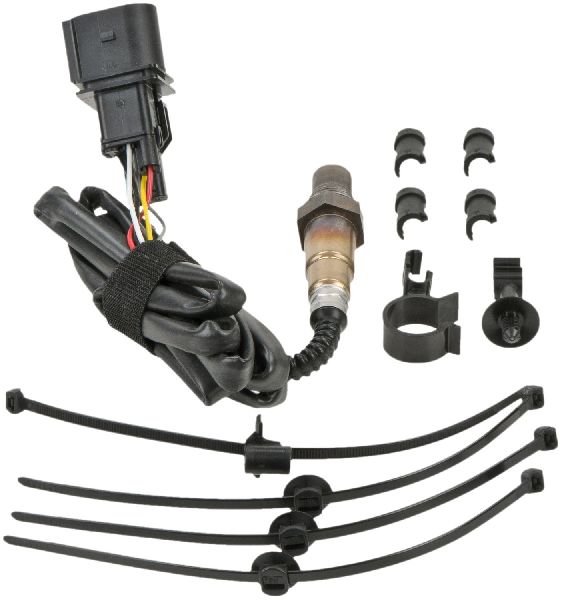
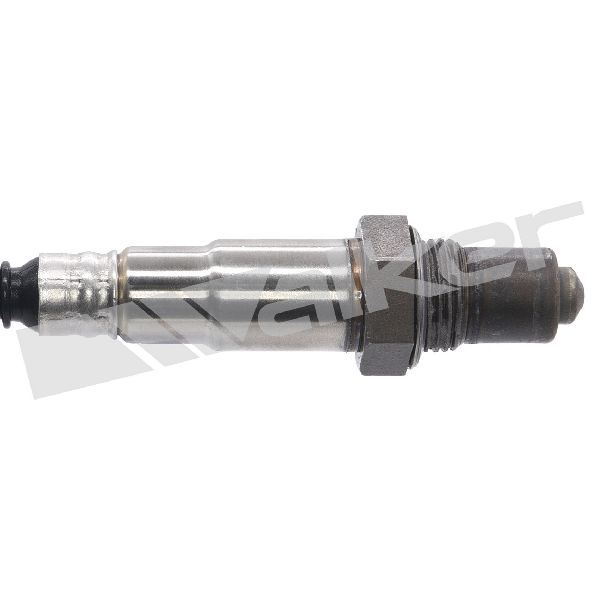
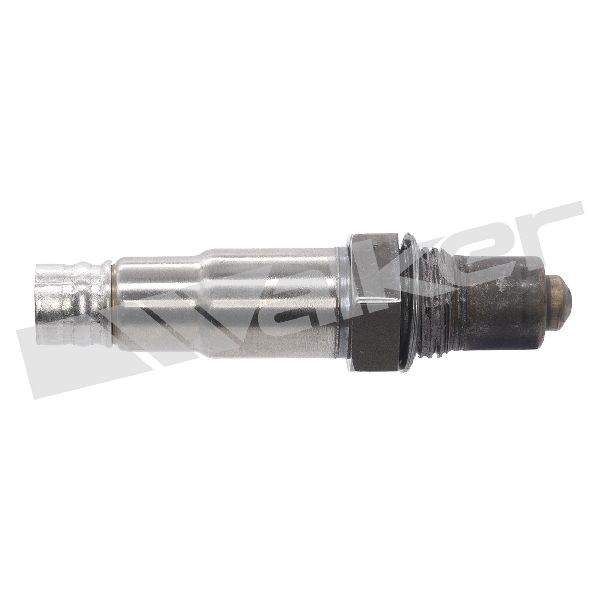
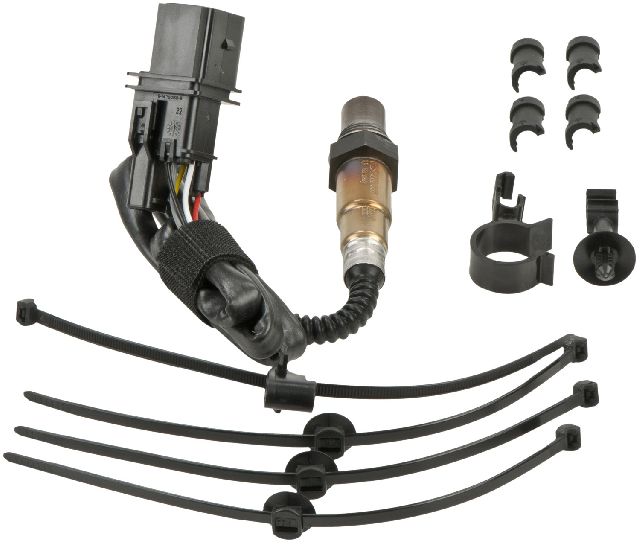
The 2003-2009 Bentley Continental W12 uses heated, 5-wire wideband oxygen sensors for the upstream positions and heated narrowband sensors for the downstream positions. They feature a specific-fit 6-pin connector.
We Have This Part in Stock


The information in this article is provided for general reference and educational purposes only. Vehicle specifications, procedures, and part compatibility can vary by production date, trim level, and region. Always consult your vehicle's factory service manual and verify part numbers before purchasing or performing repairs. Safety-critical components such as airbags, seat belts, and braking systems should be installed by a qualified professional.
- Bentley Continental: