

A Guide to Replacing Disc Brake Calipers on Your 2003-2009 BMW Z4
A sticking or seized brake caliper can compromise your Z4's performance and safety; learn how to choose the right replacement.
- The most common caliper problem on the Z4 is seizing, caused by stuck slide pins or pistons.
- Always replace calipers in pairs (both front or both rear) to maintain balanced braking.
- Consider new aftermarket calipers with a corrosion-resistant coating over uncoated or remanufactured options for better longevity.
- A complete brake fluid flush is mandatory when replacing calipers.
Signs of a Failing Brake Caliper
A faulty brake caliper on your Z4 is a safety issue that shouldn't be ignored. Because the 2003-2009 models are now aging, caliper failures due to corrosion and wear are becoming more common. The most frequent issue is a seized caliper, caused by either a stuck piston or corroded slide pins. This can lead to a variety of noticeable symptoms.
Common Failure Symptoms
- Car Pulling to One Side: When braking or even while driving, a sticking caliper can cause the car to pull towards the affected wheel.
- Brake Dragging: You may feel resistance, as if the brake is always slightly applied. This often results in a hot wheel hub and a burning smell after a drive.
- Excessive Brake Dust: A wheel with a dragging caliper will often have significantly more brake dust than the others.
- Uneven Brake Pad Wear: A seized caliper will cause the brake pads on that wheel to wear out much faster than the others.
- Spongy or Soft Brake Pedal: This can indicate a fluid leak from a compromised caliper seal.
- Visible Brake Fluid Leak: Puddles of fluid near the wheel are a clear sign of a hydraulic leak.
Known Issues, Recalls, and TSBs
Searches of the National Highway Traffic Safety Administration (NHTSA) database and technical service bulletins (TSBs) did not reveal any specific recalls or widespread TSBs for the disc brake calipers on the 2003-2009 BMW Z4. However, owner forums frequently discuss issues related to sticking calipers caused by seized slide pins or pistons, which is a common problem for cars of this age. Regular cleaning and lubrication of the slide pins can help prevent this issue.
Choosing the Right Aftermarket Caliper
When replacing a caliper on your Z4, you have several options. While OEM (Original Equipment Manufacturer) parts are available, new aftermarket calipers offer a cost-effective and reliable alternative. For a vehicle of this age, a quality aftermarket part can provide performance and longevity that meets or exceeds the original, often at a much lower price.
Brand Quality Tiers
The available brands can be grouped into general quality and performance tiers based on owner feedback and brand reputation.
- Premium / OEM-Equivalent Brands (Pagid, Centric): Pagid is often an OEM supplier for German vehicles and is known for manufacturing parts to strict original manufacturer guidelines. Many owners report Pagid parts are as good as the original. Centric is a well-regarded aftermarket brand, and their new or remanufactured calipers are a popular choice, though some remanufactured versions may lack a protective coating.
- Performance Brands (Powerstop): Powerstop is known for performance brake kits, which often include powder-coated calipers (frequently in red). These are typically remanufactured OEM calipers that are refinished and rebuilt for performance and aesthetics. They are a good option if you are upgrading your pads and rotors at the same time.
- Standard Replacement Brands (Cardone, Raybestos, Dynamic Friction, BBB Industries): These brands offer a functional, budget-friendly replacement. Cardone and Raybestos are widely available, with mixed reviews on quality control for their remanufactured lines. Choosing their "new" caliper lines (like Raybestos Element3) over remanufactured can often lead to better results and corrosion resistance. These brands are a practical choice for daily driving and standard repairs.
Pro Tip: New vs. Remanufactured
Many aftermarket calipers are "remanufactured," meaning an original caliper core has been rebuilt with new seals and hardware. Others are 100% new castings. While remanufactured calipers can be a good value, quality can vary. New calipers, like those from the Raybestos Element3 line, eliminate the risk of a worn-out core and often come with better corrosion-resistant coatings.
Estimated Costs for Caliper Replacement
The cost can vary depending on the brand you choose and whether you do the work yourself. Always replace calipers in pairs (both front or both rear) to ensure even braking performance.
| Part | Estimated Cost (per pair) |
|---|---|
| New Aftermarket Calipers | $96 - $286 |
| Remanufactured Aftermarket Calipers | $100 - $250 (May include a core charge) |
| Shop Labor | $200 - $400 |
Frequently Asked Questions (FAQ)
Do I need to replace my brake calipers in pairs?
Yes. It is highly recommended to replace calipers on the same axle at the same time. This ensures that braking force is applied evenly to both sides of the vehicle, preventing pulling and ensuring predictable, safe braking.
What is a "core charge"?
A core charge is a deposit you pay when buying a remanufactured part. You get this deposit back when you return your old, used caliper to the seller. This process allows manufacturers to collect old parts to be remanufactured. New calipers do not have a core charge.
Should I choose coated or uncoated calipers?
Coated calipers (often powder-coated or zinc-plated) offer superior protection against rust and corrosion. Given that the Z4 can have issues with corroded brake components, a coated caliper is a smart investment, especially for vehicles driven in wet climates or areas where road salt is used. Uncoated cast iron calipers can show surface rust quickly.
What else should I replace along with my calipers?
When replacing calipers, it is essential to also replace the brake fluid through a full system bleed. It is also the perfect time to inspect your brake pads, rotors, and brake hoses. If the pads or rotors are near the end of their life, replacing them at the same time will save you labor costs down the road. Old, soft brake hoses can also degrade performance and should be replaced if they show signs of cracking or bulging.
Technical Specifications
OEM Part Numbers: 34116758113 34116758114 34216758129 34216758130
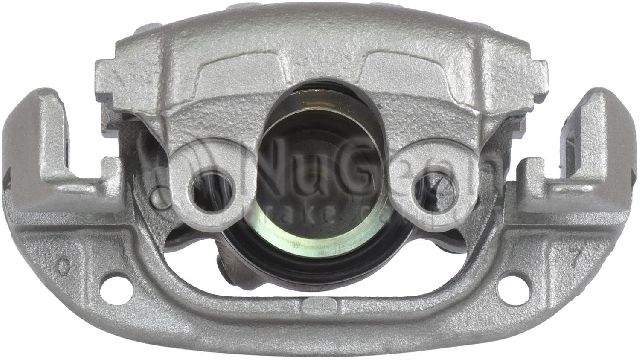
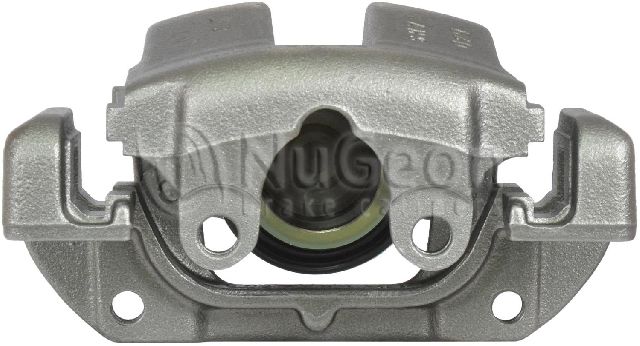
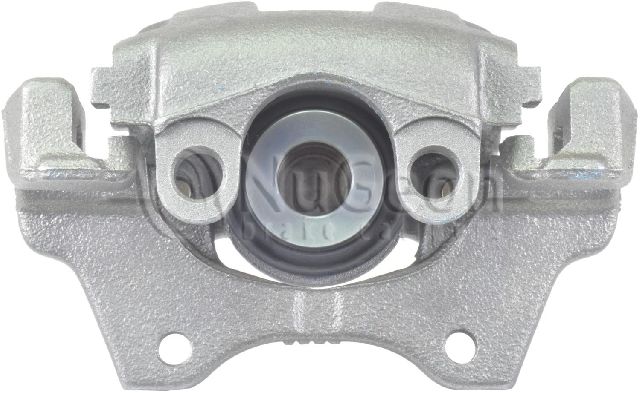
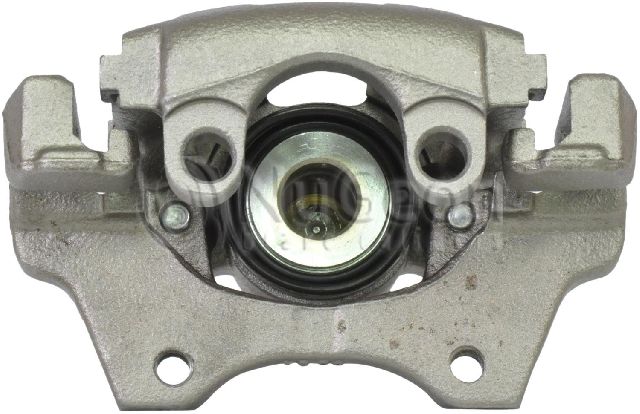
The 2003-2009 BMW Z4 uses a single-piston floating caliper design for both front and rear axles on non-M models. Part numbers and caliper sizes can vary depending on the specific sub-model (e.g., 2.5i, 3.0i, 3.0si), so verifying fitment with your vehicle's VIN is crucial.
We Have This Part in Stock

The information in this article is provided for general reference and educational purposes only. Vehicle specifications, procedures, and part compatibility can vary by production date, trim level, and region. Always consult your vehicle's factory service manual and verify part numbers before purchasing or performing repairs. Safety-critical components such as airbags, seat belts, and braking systems should be installed by a qualified professional.
- BMW Z4: