

A Guide to Choosing Brake Pads for Your 2003-2009 Honda Pilot
Stop the squeal and get the right stopping power for your SUV with the best aftermarket brake pads.
- For most Pilot owners, premium ceramic pads from brands like Akebono or Advics offer the best performance, matching the quiet, low-dust operation of the original factory pads.
- Vibration when braking is a very common sign of warped rotors on this Pilot generation; plan to replace rotors with your pads for the best results.
- During replacement, it is critical to clean and lubricate the caliper slide pins to prevent uneven wear and noise.
- Performance pads from brands like Powerstop or EBC are only necessary if you frequently tow or carry very heavy loads, and may come with trade-offs like increased dust and noise.
Symptoms of Worn Brake Pads
Your Pilot will give you clear signs when it's time for new brake pads. Ignoring them can lead to more expensive repairs. Look out for:
- High-Pitched Squealing: Most brake pads have a small metal tab called a wear indicator. When the pad material gets low, this tab scrapes against the rotor, making a loud squealing noise when you brake.
- Grinding Noises: If you hear a deep, metallic grinding sound, it means the brake pads are completely worn away. This is a serious issue where metal is grinding against metal, which can quickly destroy your brake rotors.
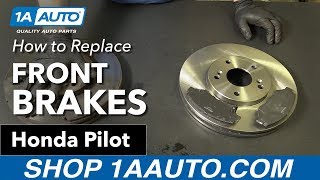
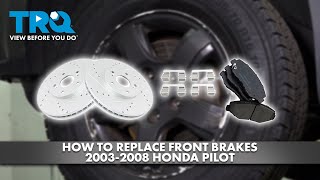
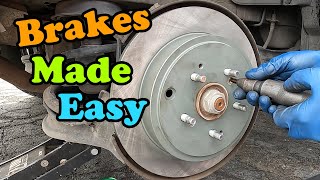
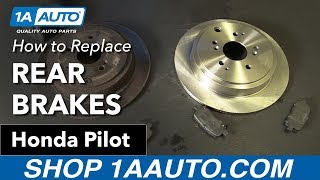
- Vibration or Pulsing: If you feel a shaking in the steering wheel or a pulsing in the brake pedal when you stop, your brake rotors may be warped. This is a common complaint on the 2003-2009 Pilot and often means you'll need to replace both the pads and rotors. 🎬 See this step-by-step walkthrough for replacing front pads and rotors.
- Longer Stopping Distances: If your SUV takes longer to stop than it used to, your brake pads may be too worn to create enough friction.
Vehicle-Specific Known Issues
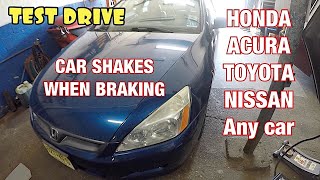
Warped Rotors: Many owners of the first-generation Pilot have reported issues with front brake rotors warping prematurely. This causes a noticeable vibration or shimmy in the steering wheel 🎬 Watch: See how to diagnose a shaking steering wheel when braking. when braking from higher speeds. For this reason, it is highly recommended to inspect your rotors carefully and consider replacing them at the same time as your pads.
2005 Model VSA Investigation: The National Highway Traffic Safety Administration (NHTSA) investigated the 2005 Honda Pilot for an issue where the Vehicle Stability Assist (VSA) system could apply the brakes without the driver pressing the pedal. While no recall was issued specifically for brake pads, it highlights the complexity of the braking system on these vehicles.
Choosing the Right Aftermarket Brake Pads
The original brake pads on your Pilot are a ceramic-based formula. For most owners, a quality aftermarket ceramic pad is the best choice to maintain quiet operation and low brake dust. Aftermarket pads can be grouped into several quality tiers.
Tier 1: Premium OE-Quality Brands
These brands are often the original equipment manufacturer (OEM) for Honda and provide the same, if not better, quality as the parts you'd get from a dealer.
- Akebono: Widely considered a top choice for Honda vehicles. They are known for being extremely quiet, producing very little dust, and offering a smooth, consistent pedal feel that matches the original pads.
- Advics: As an OEM supplier to Honda, Advics pads are engineered to restore original performance. They focus on quiet operation and durability.
- Brembo: While famous for high-performance brakes, Brembo's standard replacement pads are a premium option that offers excellent quality and reliable stopping power.
Tier 2: Performance & Towing Brands
If you frequently tow a trailer or carry heavy loads, a performance pad can provide better stopping power and fade resistance at high temperatures. The trade-off can be more dust and potential for noise.
- Powerstop: The Z36 Truck & Tow kit is a popular upgrade. It's designed specifically for SUVs and trucks, offering increased braking power for hauling.
- EBC Brakes: EBC offers different compounds, like their Greenstuff or Yellowstuff pads. They provide a significant increase in bite and performance but tend to create more dust than ceramic pads.
- Hawk Performance: Another brand focused on performance, offering various compounds for different uses, from daily driving to heavy-duty applications.
Tier 3: Daily Driver & Value Brands
These brands offer a great balance of quality and price for typical daily driving. They are a solid step up from basic economy parts.
- Bosch: The QuietCast line is a popular choice, offering good performance and quiet operation. However, some users note they can wear faster or be slightly thinner than Akebono pads.
- Raybestos & Centric: Both are well-respected aftermarket brands that provide reliable, quality replacement pads that meet or exceed OEM standards for normal use.
- Wagner Brakes: Their ThermoQuiet line is a long-standing, dependable choice known for reducing noise and providing consistent braking.
Brake Pad Materials: Ceramic vs. Semi-Metallic
For a 2003-2009 Honda Pilot, Ceramic pads are almost always the best choice. They are what the vehicle came with from the factory. They offer quiet operation, low dust, and long life for daily driving. Semi-metallic pads can offer better performance in extreme heat (like towing down a mountain), but they are often noisier, create more black dust, and can wear down rotors faster.
Cost of Replacing Brake Pads on a 2003-2009 Honda Pilot
| Part/Service | Estimated Cost |
|---|---|
| New Aftermarket Brake Pad Set (per axle) | $25 - $226 |
| New OEM Brake Pad Set (per axle) | $80 - $120 |
| Shop Labor (per axle) | $100 - $200 |
| Total Professional Replacement (Aftermarket, per axle) | $125 - $426 |
Frequently Asked Questions (FAQ)
Do I need to replace my rotors with my brake pads?
It is highly recommended for this generation of Pilot, especially if you feel any vibration when braking. New pads on a warped or worn rotor will not perform well and will wear out unevenly. A shop can measure the rotor's thickness to see if it's below the minimum specification, but if you see heavy grooving or feel pulsing, it's best to replace them.
What is 'bedding in' new brake pads?
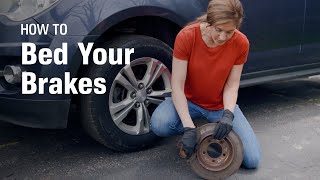
Bedding-in is a process that transfers a thin, even layer of friction material from the new pads onto the rotors. This ensures smooth, quiet, and powerful braking. The process typically involves several moderate-to-firm stops from around 35 mph without coming to a complete stop, allowing the brakes to cool in between. Always follow the manufacturer's specific instructions.
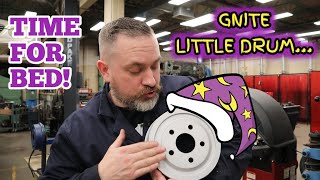
🎬 Watch: A mechanic explains how and why to bed your brakes.Why are my new brake pads making noise?
Noise from new pads can come from a few sources. If the new hardware clips weren't used or if the caliper slide pins weren't cleaned and lubricated, the pads can vibrate and cause noise. Also, some performance-oriented pads (like semi-metallic) are naturally noisier than OEM-style ceramic pads. Finally, all pads need to be bedded-in properly to prevent noise.
How often should I replace the brake pads on my Pilot?
Brake pad life varies greatly depending on your driving style and environment. On average, expect to replace them every 30,000 to 70,000 miles. If you do a lot of city driving with frequent stops, they will wear out faster. Highway driving is much easier on brake pads. Regular inspections are the best way to know when it's time for a change.
Helpful Videos
Technical Specifications
OEM Part Numbers: 45022-S9V-A02 45022-S9V-A01 45022-S9V-A00 43022-S3V-A01
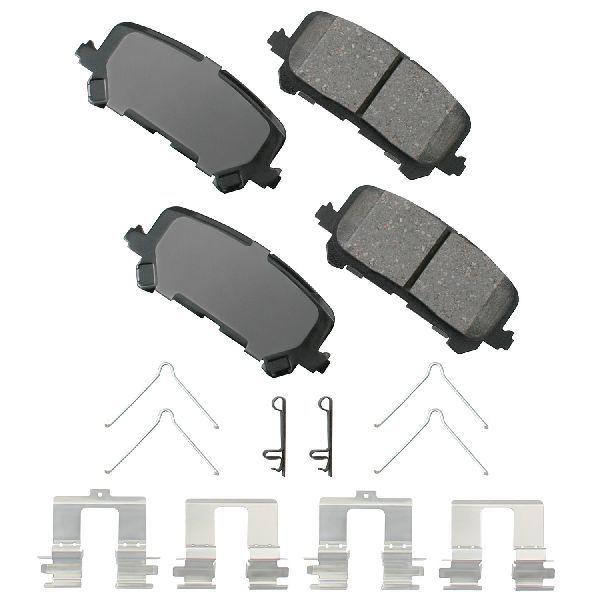
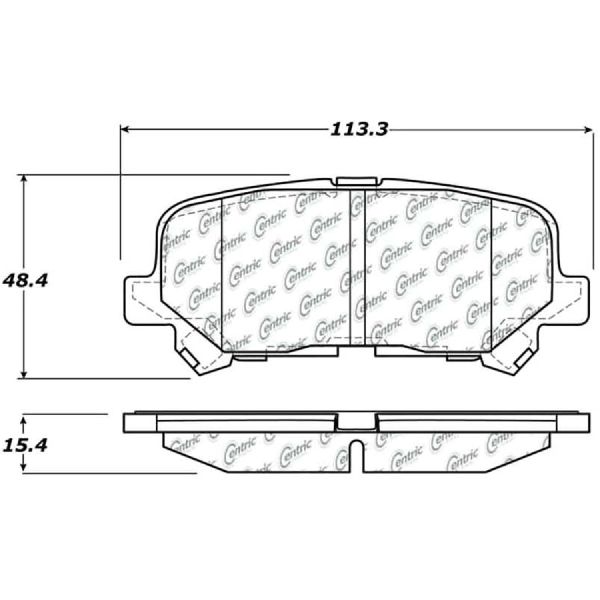
The OEM brake pads for the 2003-2009 Honda Pilot are a ceramic friction material. The front and rear brakes are both disc brakes. The front pads are generally larger than the rear pads.
We Have This Part in Stock
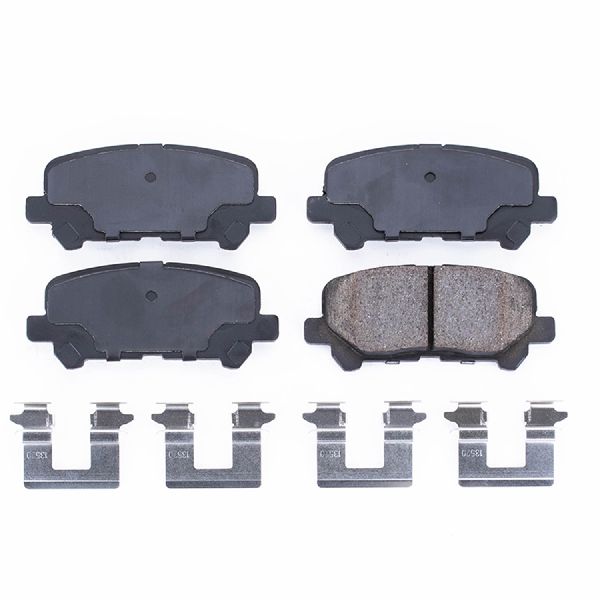
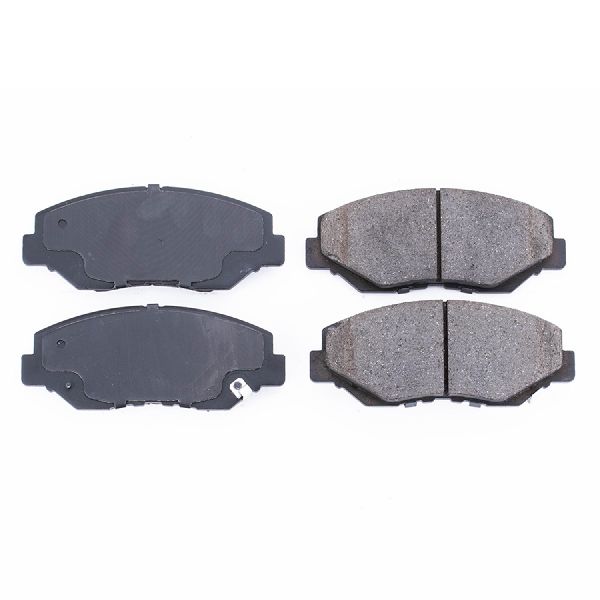
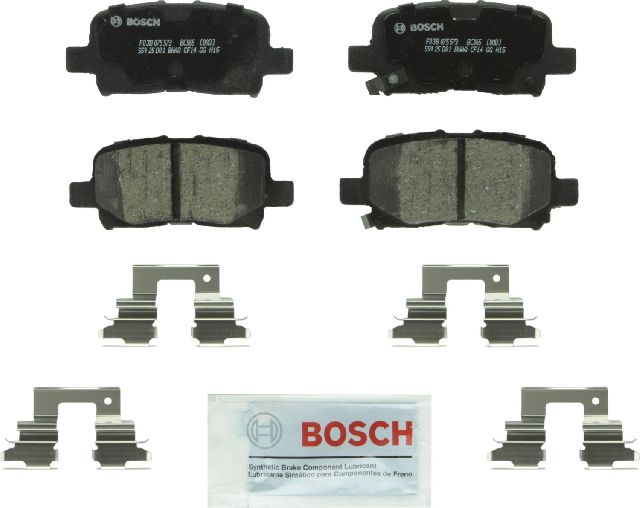
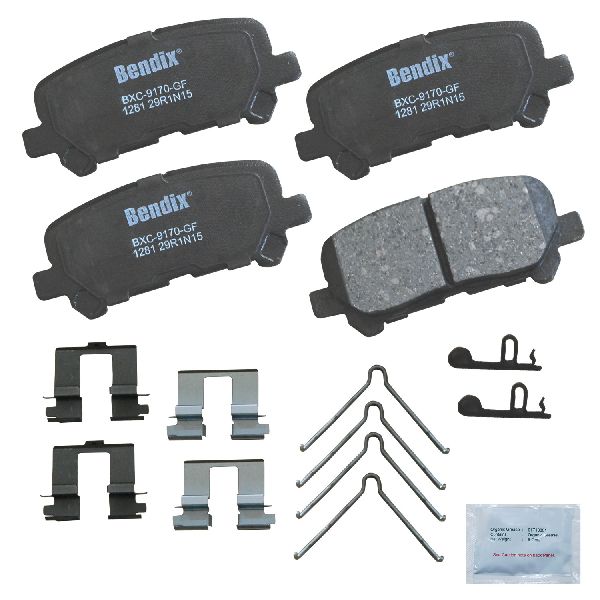

The information in this article is provided for general reference and educational purposes only. Vehicle specifications, procedures, and part compatibility can vary by production date, trim level, and region. Always consult your vehicle's factory service manual and verify part numbers before purchasing or performing repairs. Safety-critical components such as airbags, seat belts, and braking systems should be installed by a qualified professional.
- Honda Pilot:
- 🎬 Helpful Videos
- 🛍️ Shop This Part
- Symptoms of Worn Brake Pads
- Vehicle-Specific Known Issues
- Choosing the Right Aftermarket Brake Pads
- Tier 1: Premium OE-Quality Brands
- Tier 2: Performance & Towing Brands
- Tier 3: Daily Driver & Value Brands
- Brake Pad Materials: Ceramic vs. Semi-Metallic
- Cost of Replacing Brake Pads on a 2003-2009 Honda Pilot
- Frequently Asked Questions (FAQ)
- 🎟️ Get 5% Off