

A Guide to the Engine Oil Pressure Switch for the 2003-2009 Honda Pilot
Understand the signs of a failing oil pressure switch and how to select a durable aftermarket replacement for your Pilot.
- A flickering oil light or a light that stays on is the most common symptom, but always check your oil level first.
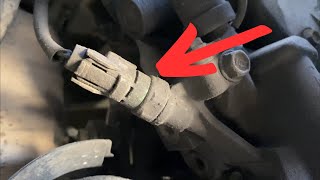
- Check for oil leaks directly from the switch by pulling back the electrical connector boot; oil inside means the switch has failed.
- This is a very DIY-friendly repair that can be done in under an hour with basic tools.
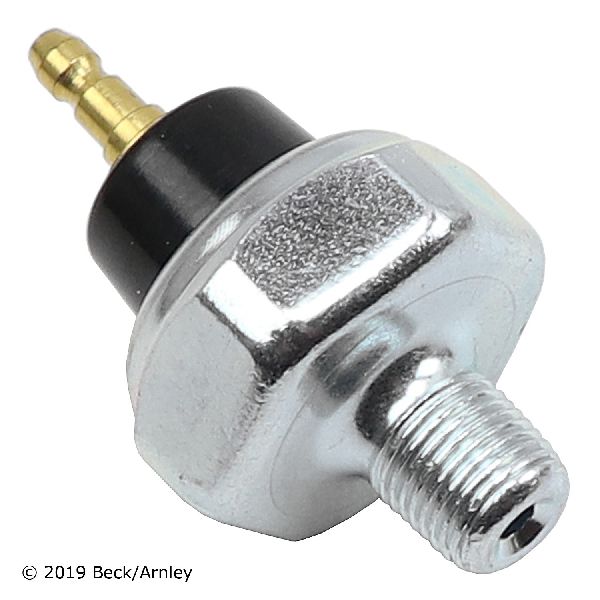
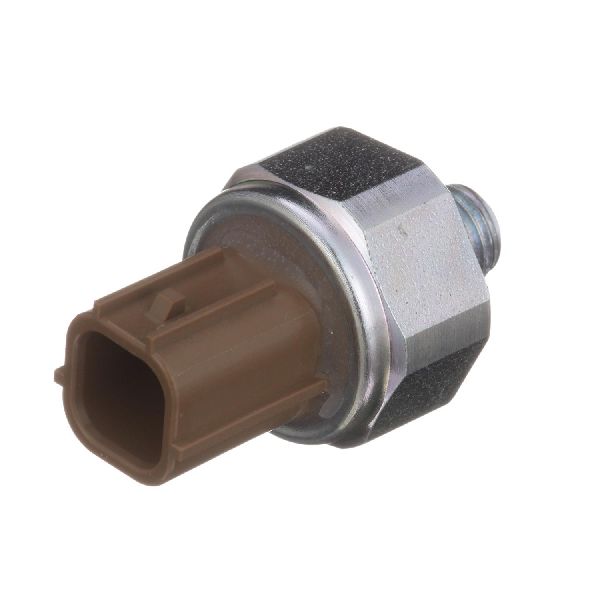
- Choosing a quality aftermarket brand like Beck Arnley or Standard Ignition is a cost-effective way to ensure a reliable, long-lasting repair.
Is Your Honda Pilot's Oil Light On? It Could Be the Pressure Switch.

The engine oil pressure switch on the first-generation Honda Pilot is a common failure point that can cause significant worry. Seeing the oil pressure light flicker or stay on is a serious warning that should never be ignored. While it can indicate a severe lack of oil pressure, it often points to a failure of the switch itself, which is a much simpler and less expensive problem to fix. Two primary symptoms indicate a faulty switch: a dashboard warning light and an external oil leak.
Symptoms of a Failing Oil Pressure Switch
The most obvious sign is the behavior of the oil pressure warning light on your instrument panel. You might see it flicker, especially at idle, or stay on constantly even when you know the oil level is correct. Another very common failure mode for these switches is an external oil leak. The internal seal fails, allowing oil to seep through the body of the sensor and out of the electrical connector. If you suspect a leak, pull back the rubber boot on the connector; if you see oil inside, the switch needs to be replaced.
Don't Ignore the Oil Light
Never assume the oil light is just a faulty switch. Always verify your engine oil level immediately. Driving with low oil pressure can destroy an engine in minutes. If the oil level is correct but the light is on, you should have the engine's actual oil pressure tested with a mechanical gauge to rule out a more serious issue like a failing oil pump.
Choosing the Right Aftermarket Part

When replacing the oil pressure switch, you have a choice between Genuine Honda parts and a wide range of aftermarket options. For a simple sensor like this, a high-quality aftermarket part can offer significant savings without sacrificing reliability. However, quality varies between brands.
- Premium Aftermarket (e.g., Beck Arnley, Standard Ignition): Brands like Beck Arnley are often sourced from OEM-equivalent manufacturers and are known for their quality, fit, and function. They are a reliable choice for a direct replacement part that is built to withstand the harsh engine environment.
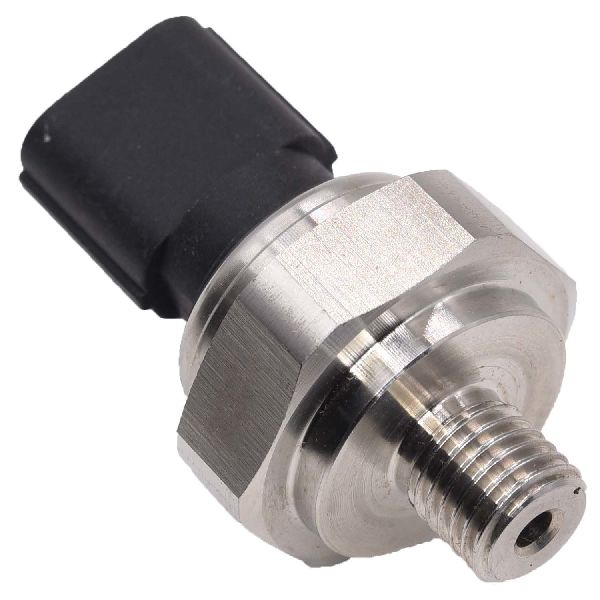
- Standard Aftermarket (e.g., Walker Products, True Tech): These brands provide a balance of quality and value, often meeting or exceeding original specifications. They are a solid choice for most DIY repairs.
- Budget-Friendly (e.g., URO Parts): While budget brands can be tempting, they have a mixed reputation for electrical components. Some users report early failures or leaks, though the brand has reportedly improved its manufacturing in recent years. For a critical part like an oil pressure switch, spending a few extra dollars on a more reputable brand is often a wise investment to avoid doing the job twice.
Pro Tip: Check the Threads
Most new aftermarket oil pressure switches come with a sealant already applied to the threads. Do not remove this sealant. It is designed to ensure a leak-free seal when you install the new part.
Replacement Cost
Replacing the oil pressure switch is a relatively inexpensive repair. The part itself is affordable, and the labor is minimal for an experienced mechanic.
| Part/Service | Estimated Cost |
|---|---|
| New OEM Part | $45 - $70 |
| New Aftermarket Part | $11 - $129 |
| Shop Labor | $60 - $140 |
| Total Estimated Cost (Aftermarket Part) | $71 - $269 |
Frequently Asked Questions (FAQ)

Where is the oil pressure switch located on a 2003-2009 Honda Pilot?
The engine oil pressure switch is located on the engine block, near the oil filter. On the 3.5L V6 engine, you can access it from the passenger side of the vehicle, often by removing the front passenger wheel for better visibility and access.
Is this a difficult DIY job?
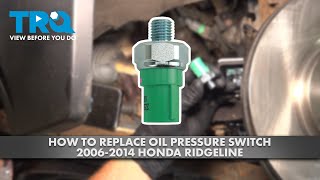
For a DIYer with basic tools, this is a very feasible job. It involves safely jacking up the vehicle, removing the passenger side wheel, disconnecting the electrical connector, and using a deep socket (often 24mm) to unscrew the old switch and install the new one. The entire process typically takes less than an hour.
My oil light is flickering but the oil level is full. What should I do?
A flickering light with a full oil level is a classic symptom of a failing oil pressure switch. However, it can also indicate borderline low oil pressure. The safest first step is to check for leaks from the switch itself. If no leak is found, have the oil pressure professionally tested before assuming the switch is the only problem.
Are there any recalls or TSBs for this issue?
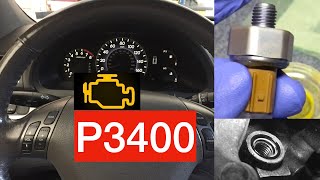
Searches did not reveal any specific recalls for the main engine oil pressure switch on the 2003-2009 Honda Pilot. However, Honda has issued Technical Service Bulletins (TSBs) for rocker arm oil pressure switches on similar V6 engines, which can cause check engine lights with codes like P3400 or P3497, but these are different parts than the main switch that controls the dashboard oil light.
Helpful Videos
Technical Specifications
OEM Part Numbers: 37240-P2F-A01 37240-PT0-014 37240-R70-A04
The oil pressure switch for the 2003-2009 Honda Pilot is a single-pin switch that activates the dashboard warning light. It is located near the oil filter on the engine block. The replacement procedure typically requires a 24mm deep socket.
We Have This Part in Stock


The information in this article is provided for general reference and educational purposes only. Vehicle specifications, procedures, and part compatibility can vary by production date, trim level, and region. Always consult your vehicle's factory service manual and verify part numbers before purchasing or performing repairs. Safety-critical components such as airbags, seat belts, and braking systems should be installed by a qualified professional.
- Honda Pilot: