

Honda Pilot (2003-2009) Engine Valve Cover Gasket Set: What You Need to Know
Leaking oil or smelling something burning? Your Pilot's valve cover gaskets may be the culprit.
- A burning oil smell is the most common first symptom of a leaking valve cover gasket.
- This is a moderate-to-advanced DIY repair due to the need to remove the intake manifold to access the rear gasket.
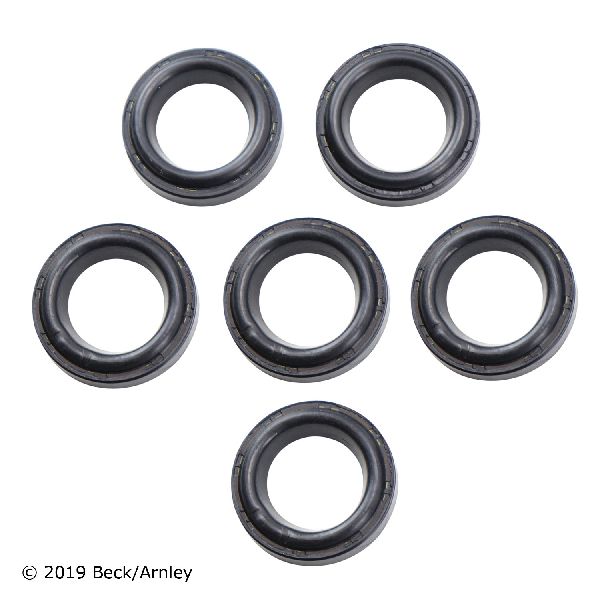
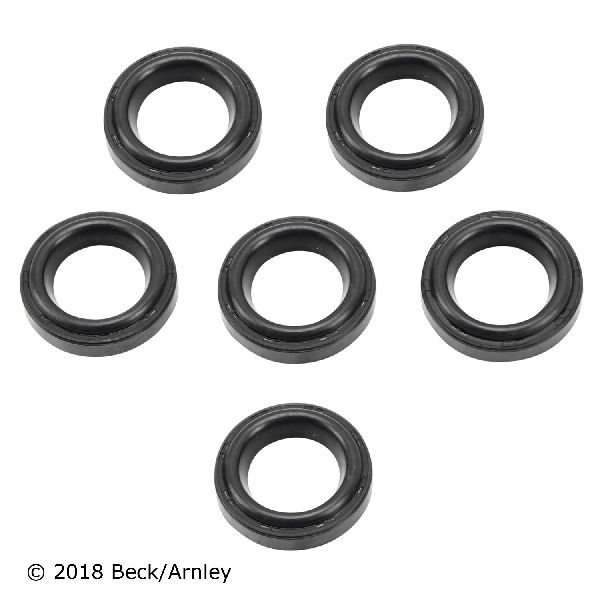
- Always buy a complete kit that includes gaskets, spark plug tube seals, and bolt grommets.
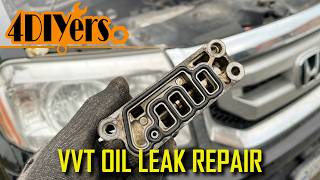
- While you're performing the repair, inspect the VVT spool valve gasket, another common leak source on the J35 engine.
Is Your Pilot's Valve Cover Gasket Failing?
The rubber gaskets on your 2003-2009 Honda Pilot's J35 engine live in a high-heat environment. Over time, they become hard, brittle, and shrink, losing their ability to seal properly. This is a common issue as these vehicles age. When the gasket fails, you'll start to notice problems.
Top 4 Signs of a Leaking Valve Cover Gasket:
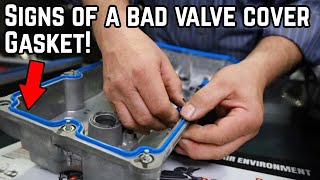
🎬 See these common symptoms and signs of a failing gasket- Burning Oil Smell: This is often the first sign. Oil drips from the leaking gasket onto hot exhaust components, creating a noticeable and unpleasant burning smell, especially after the engine has warmed up.
- Visible Oil Leaks: You may see oil residue or grime collecting on the valve covers, the sides of the cylinder heads, or even dripping onto components below. The rear valve cover is harder to see, but leaks there often drip onto the exhaust, causing smoke.
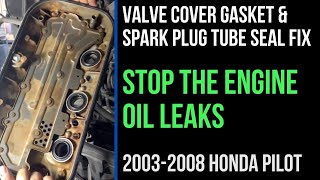
- Oil in Spark Plug Wells: If the spark plug tube seals fail, oil will pool in the spark plug tubes. This can cause the engine to misfire, run rough, and trigger the Check Engine Light.
- Low Engine Oil Level: A persistent leak will cause a gradual loss of engine oil. If you find yourself needing to top off the oil between changes, a leaking valve cover gasket is a likely suspect.
Known Issues & Related Repairs
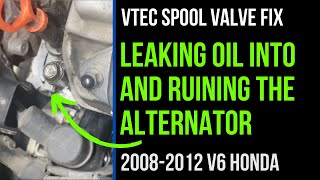
While replacing the valve cover gaskets, it's a good time to inspect other common oil leak sources on the J35 engine. The VVT solenoid (spool valve) gasket is a frequent leaker and can drip oil onto the alternator, potentially causing it to fail. 🎬 Watch: How to replace the VVT solenoid gasket on your V6 Since accessing the rear valve cover requires removing the intake plenum, many owners choose to replace the intake gaskets at the same time.
Choosing the Right Aftermarket Gasket Set
For a vehicle like the 2003-2009 Pilot, aftermarket gaskets offer a great balance of quality and value. The original Honda gaskets were well-made, but modern aftermarket options from reputable brands are often engineered to meet or exceed those original specifications.
Brand Quality Tiers:
- Premium Aftermarket (Fel-Pro, Beck Arnley, Victor Reinz): These brands are well-regarded by both professional mechanics and DIYers. Fel-Pro is a top name in gaskets, known for quality materials and designs that sometimes improve on the original. Beck Arnley often sources parts from the same manufacturers that supply Honda (OEM), ensuring excellent fit and function. Victor Reinz is another OEM supplier with a strong reputation. You can install these brands with confidence.
- Standard Aftermarket (DNJ Engine Components, Apex, Elring): These brands provide a cost-effective solution. DNJ offers a wide range of gaskets made from quality materials designed to meet OEM standards. However, some user reviews mention fitment issues, like gaskets being slightly too large or loose in the valve cover channel, which can make installation tricky. These can be a good choice for a budget-conscious repair, but careful installation is key.
Pro Tip: A complete kit is the best choice. Ensure the set you buy includes both valve cover gaskets, all spark plug tube seals, and the bolt grommets. Reusing old, compressed grommets is a common cause of new leaks after the repair.
Replacement Cost
Replacing the valve cover gaskets on a 2003-2009 Honda Pilot is a labor-intensive job, especially for the rear cover. This is reflected in the cost.
| Part/Service | Estimated Cost |
|---|---|
| New Aftermarket Gasket Set | $38 - $82 |
| Shop Labor | $256 - $376 |
| Total Professional Replacement | $299 - $458 |
Cost estimates are based on national averages and may vary by location and shop.
Frequently Asked Questions (FAQ)
Is this a good DIY job for a beginner?
This is a moderate-to-advanced DIY task. The front valve cover is relatively straightforward, but the rear cover requires removing the entire upper intake manifold and throttle body. If you are not comfortable with that level of disassembly, it's best to leave this job to a professional.
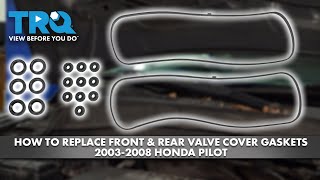
🎬 Watch: Full step-by-step walkthrough for replacing front and rear gasketsDo I need to use RTV sealant?
Yes. Honda service procedures require a small amount of RTV sealant (Hondabond is the OEM recommendation, but high-temp automotive RTV works) to be applied at the sharp corners where the timing cover meets the cylinder head. This prevents leaks at these critical junction points.
Are there any recalls for this issue?
No, there are no specific recalls for leaking valve cover gaskets on the 2003-2009 Honda Pilot. While there was a Technical Service Bulletin (TSB) for V6 engine oil leaks, it was a general bulletin and not specific to a recall campaign.
Can I reuse my old valve cover gaskets?
No. Once a gasket has been installed and heat-cycled, it becomes compressed and hardened. Reusing it will almost certainly result in a leak. Given the low cost of the part compared to the labor involved, you should always install a new gasket set.
Helpful Videos
Technical Specifications
OEM Part Numbers: 12030-RCA-A01 12050-P8E-A00 90441-P8E-A00
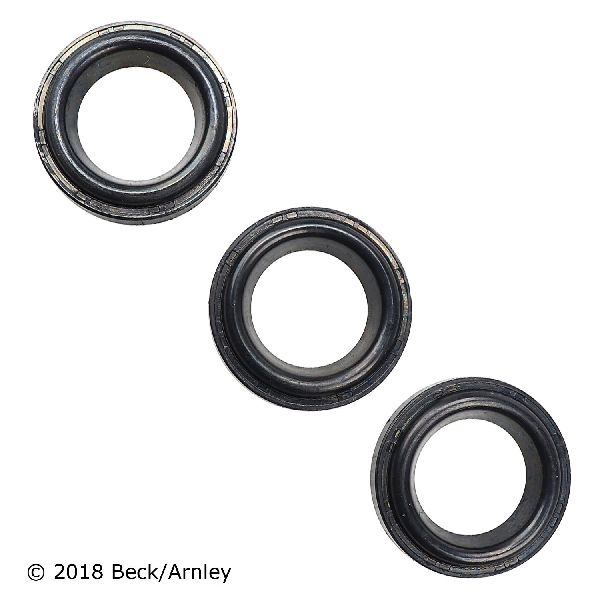
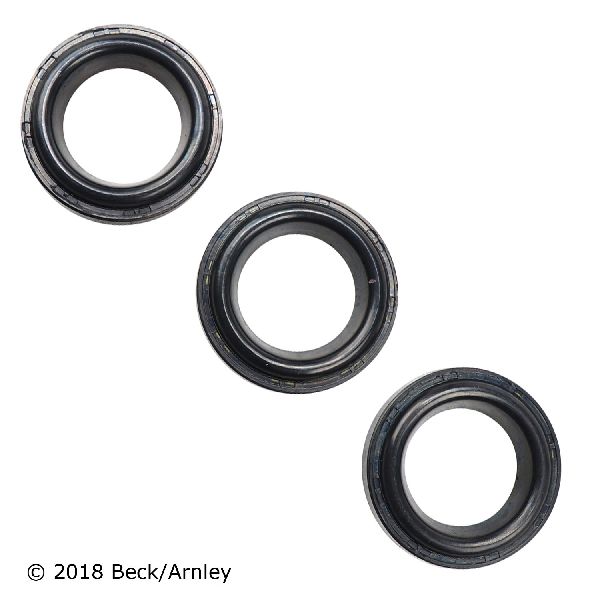
The set should include two valve cover gaskets (front and rear), six spark plug tube seals, and ten valve cover bolt grommets. Materials are typically high-grade molded rubber or silicone.
We Have This Part in Stock


The information in this article is provided for general reference and educational purposes only. Vehicle specifications, procedures, and part compatibility can vary by production date, trim level, and region. Always consult your vehicle's factory service manual and verify part numbers before purchasing or performing repairs. Safety-critical components such as airbags, seat belts, and braking systems should be installed by a qualified professional.
- Honda Pilot: