

Honda Pilot Oxygen Sensor Guide (2003-2009): Symptoms, Brands, and Replacement
A failing oxygen sensor can hurt your fuel economy and performance; here’s what you need to know before you buy a new one.
- Your Pilot has four O2 sensors; use a scanner to identify the exact one that failed before buying a replacement.
- Stick with direct-fit sensors from OEM supplier brands like Denso or NGK/NTK for the best results and to avoid compatibility issues.
- A special oxygen sensor socket is required for DIY replacement to accommodate the sensor's wire.
- Don't automatically replace an O2 sensor for a P0420 or P0430 code; these codes often indicate a problem with the catalytic converter itself.
Is Your Pilot's Oxygen Sensor Failing?

A bad oxygen sensor (or O2 sensor) is a common reason for the check engine light to come on in a first-generation Honda Pilot. When a sensor fails, the engine's computer receives incorrect information, which can lead to several noticeable problems. Ignoring a faulty sensor can reduce fuel efficiency, cause engine performance issues, and potentially damage the expensive catalytic converter over time.
Key Symptoms of a Bad O2 Sensor:
- Check Engine Light: This is the most common sign. A code scanner will usually point to a specific sensor that has a problem.
- Worse Gas Mileage: A faulty sensor can cause the engine to run too rich (too much fuel), leading to more frequent stops at the gas pump.
- Rough Idle or Hesitation: Your Pilot might idle poorly, hesitate during acceleration, or even stall if the air-fuel mixture is off.
- Failed Emissions Test: A malfunctioning O2 sensor will likely cause your vehicle to fail a smog check due to increased emissions.
Don't Mistake a P0420/P0430 Code for a Bad Sensor
Error codes P0420 and P0430 often point to a failing catalytic converter, not necessarily the oxygen sensor itself. The downstream O2 sensor is simply reporting that the converter isn't working efficiently. While a faulty sensor can sometimes be the cause, it's important to diagnose the issue correctly to avoid replacing the wrong part. Some later model Pilots had warranty extensions for software issues that could falsely trigger these codes.
Choosing the Right Aftermarket Oxygen Sensor

When it comes to oxygen sensors for your Honda Pilot, not all aftermarket brands are created equal. For Japanese vehicles like Honda, using a brand that is an Original Equipment Manufacturer (OEM) supplier is often the best bet for compatibility and longevity.
Brand Tiers for Your Honda Pilot:
- Top Tier (OEM Supplier): Denso and NGK (also sold as NTK) are highly recommended. Denso is a well-known OEM supplier for Honda, and their sensors are often identical to the part you'd get from a dealer, just in a different box. These offer the best fit and performance, ensuring no compatibility issues.
- Mid-Tier (Reputable Aftermarket): Bosch is a major player in the O2 sensor market. While their quality is generally good, some mechanics and owners report that for Honda vehicles, sticking with Denso or NGK is a safer choice to avoid potential compatibility quirks.
- Economy Tier: Brands like DriveWire, Spectra, and Walker Products offer a more budget-friendly option. These can be a good choice if cost is your primary concern, but they may not have the same lifespan or precise calibration as the top-tier brands.
Direct-Fit vs. Universal Sensors
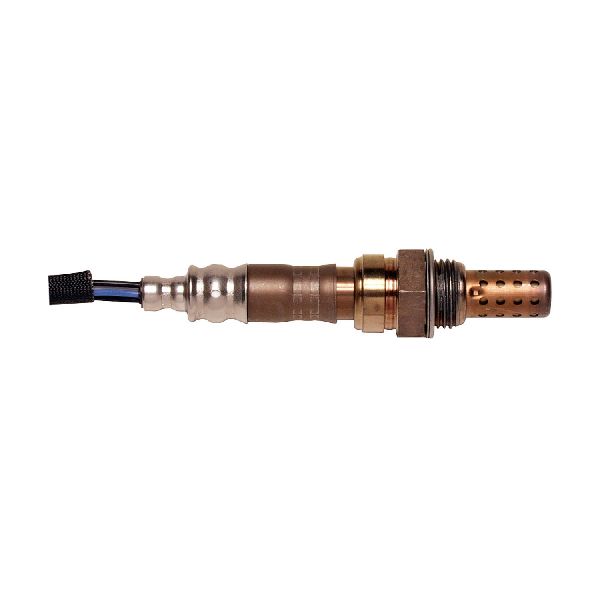
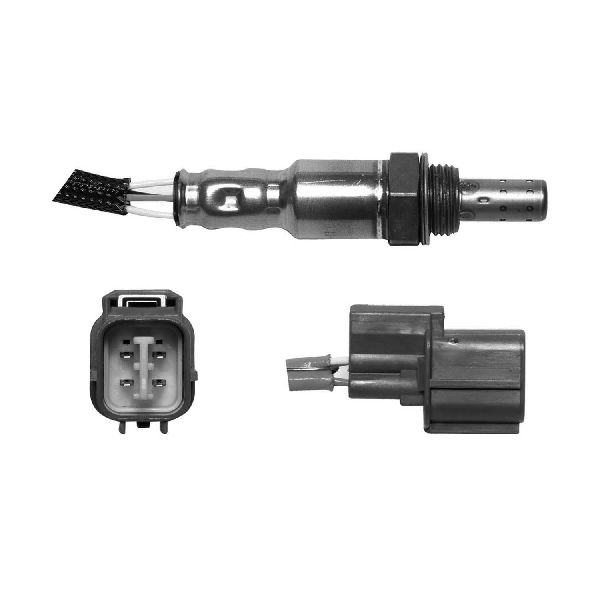
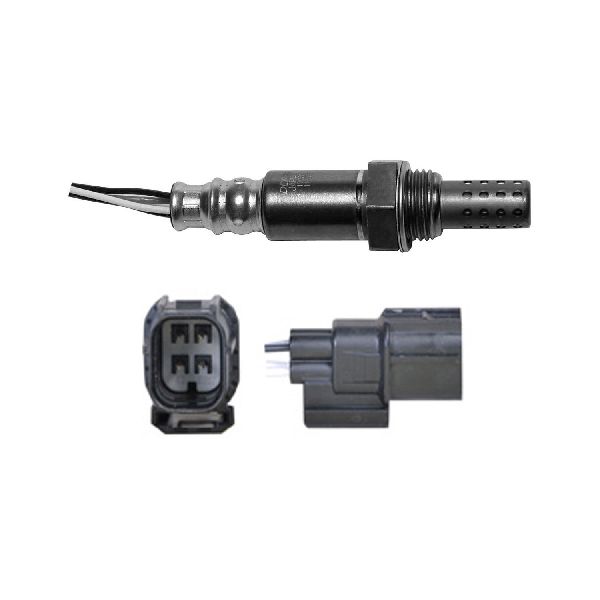
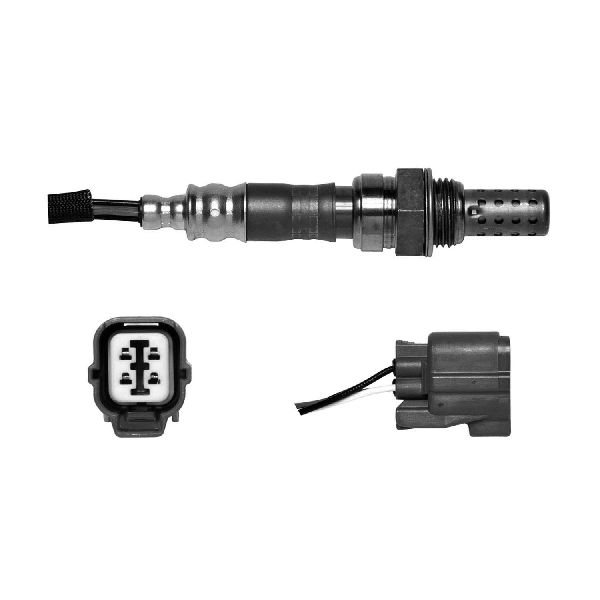
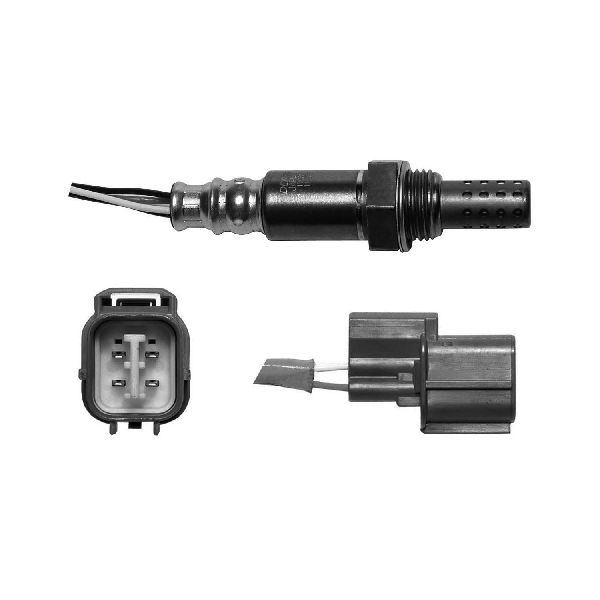
Always choose a "direct-fit" sensor for your Pilot. These come with the correct electrical connector and wire length, making installation a simple plug-and-play process. 🎬 See this general guide on how to replace oxygen sensors "Universal" sensors require you to cut and splice wires, which can lead to connection problems and is highly discouraged for modern vehicles.
How Much Does an Oxygen Sensor Replacement Cost?

The cost can vary significantly depending on which of the four sensors needs replacing and whether you do the job yourself or take it to a shop.
| Item | Cost Range |
|---|---|
| New Aftermarket Oxygen Sensor | $25 - $335 |
| Shop Labor | $65 - $145 |
| Total Professional Replacement | $150 - $600+ |
Frequently Asked Questions

Which oxygen sensor do I need? Upstream or downstream?
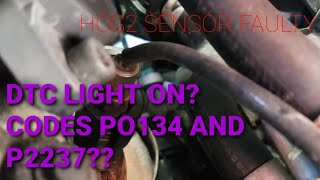
You must identify which specific sensor has failed. An OBD-II scanner will give you a code like "P0135 - O2 Sensor Heater Circuit Malfunction (Bank 1, Sensor 1)". "Bank 1" is the cylinder bank closer to the firewall on the Pilot's V6 engine 🎬 Watch: How to replace the Bank 1 Sensor 1 oxygen sensor, and "Bank 2" is the bank closer to the radiator. "Sensor 1" is the upstream (pre-catalytic converter) sensor, and "Sensor 2" is the downstream (post-catalytic converter) sensor. Always confirm the location before buying.
Can I replace just one oxygen sensor?
Yes. You only need to replace the sensor that has failed. The other sensors can continue to function independently. However, they tend to have similar lifespans, so if one fails, another may not be far behind.
Is replacing an O2 sensor a DIY job?
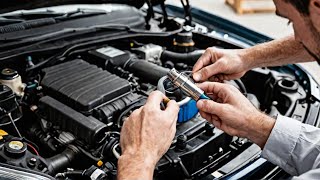
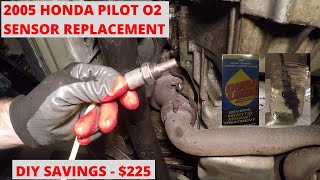
For many people, yes. The main challenge is often accessing the sensor, especially the ones on the rear bank (Bank 1) near the firewall. You will need a special tool called an oxygen sensor socket, which has a slot for the wire. 🎬 Watch: Step-by-step walkthrough of a Honda Pilot sensor replacement The sensors can be very tight and may require significant force to remove, especially if they are old and corroded.
Should I use anti-seize on the new sensor?
Yes. Most new, high-quality oxygen sensors come with anti-seize compound already applied to the threads or include a small packet. This prevents the sensor from getting stuck in the exhaust pipe, making future removal much easier. Be careful not to get any anti-seize on the tip of the sensor itself, as this can contaminate it and cause it to fail.
Helpful Videos
Technical Specifications
The 2003-2009 Honda Pilot uses four heated oxygen sensors with an M18x1.5 thread size. Upstream sensors are wide-band air-fuel ratio types, while downstream sensors are standard narrow-band types. Connectors and wire lengths are specific to each of the four locations.
We Have This Part in Stock


The information in this article is provided for general reference and educational purposes only. Vehicle specifications, procedures, and part compatibility can vary by production date, trim level, and region. Always consult your vehicle's factory service manual and verify part numbers before purchasing or performing repairs. Safety-critical components such as airbags, seat belts, and braking systems should be installed by a qualified professional.
- Honda Pilot:
- 🎬 Helpful Videos
- 🛍️ Shop This Part
- Is Your Pilot's Oxygen Sensor Failing?
- Key Symptoms of a Bad O2 Sensor:
- Don't Mistake a P0420/P0430 Code for a Bad Sensor
- Choosing the Right Aftermarket Oxygen Sensor
- Brand Tiers for Your Honda Pilot:
- Direct-Fit vs. Universal Sensors
- How Much Does an Oxygen Sensor Replacement Cost?
- Frequently Asked Questions
- 🎟️ Get 5% Off