

A Guide to the Ignition Knock Sensor for the 2003-2009 Hummer H2
Address poor engine performance and check engine light codes P0327 and P0332 on your H2.
- Failure is almost always caused by water pooling in the engine valley and corroding the sensors and harness.
- This is a difficult repair that requires removing the entire intake manifold.
- Always replace both sensors, the wiring harness, and the intake manifold gaskets at the same time to avoid repeat labor.
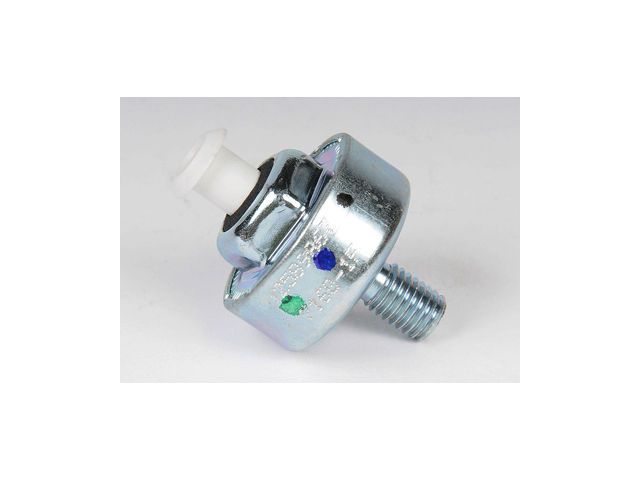
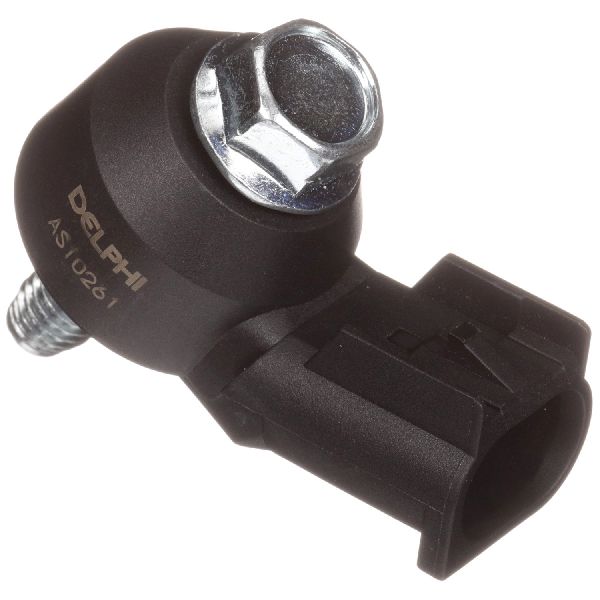
- Stick to high-quality brands like ACDelco or Delphi; cheap sensors are known to fail quickly in this specific application.
The #1 Problem: Water Intrusion

The most common reason for knock sensor failure on the 2003-2009 Hummer H2 is not age or mileage, but water damage. The two knock sensors are located deep in the valley of the engine block, underneath the entire intake manifold. This area is prone to collecting water, either from rain, off-roading, or washing the engine. Over time, this pooled water corrodes the sensors and, just as importantly, the wiring harness that connects to them, causing fault codes P0327 and P0332.
Symptoms of a Failing Knock Sensor

When a knock sensor fails, the engine computer can no longer detect detonation. To protect the engine, it defaults to a 'safe' mode with reduced ignition timing. The symptoms are hard to miss:
- Check Engine Light: This is the most common sign, with codes P0327 (Bank 1) and P0332 (Bank 2) stored in the computer.
- Poor Acceleration: The truck will feel noticeably sluggish and underpowered, especially when you try to accelerate hard. 🎬 See how to diagnose these codes on the GM Vortec engine.
- Reduced Fuel Economy: The less efficient engine timing will cause your H2 to use more gas.
- Engine Pinging: In some cases, you may hear a metallic pinging or knocking sound, which is the very thing the sensor is supposed to prevent.
A Difficult and Labor-Intensive Job
Replacing the knock sensors on an H2 is not a simple task. Because they are located under the intake manifold, the entire manifold must be removed for access. This is a 3-5 hour job for a professional and is not recommended for a beginner. 🎬 Watch this step-by-step walkthrough of the manifold removal and replacement. The high labor cost is why choosing a quality part is critical.
Choosing the Right Aftermarket Replacement

Given the difficulty of the replacement, this is not a part you want to replace twice. The cost of the sensor is small compared to the labor involved. Owner forums are filled with stories of cheap sensors failing within days or weeks, forcing them to pay for the same difficult job all over again.
| Brand Tier | Brands | Assessment |
|---|---|---|
| Tier 1: OEM & Equivalent | ACDelco, Delphi | ACDelco is the original GM part. Both are widely considered the most reliable choices for this specific application. Spend the extra money here to ensure you only do the job once. |
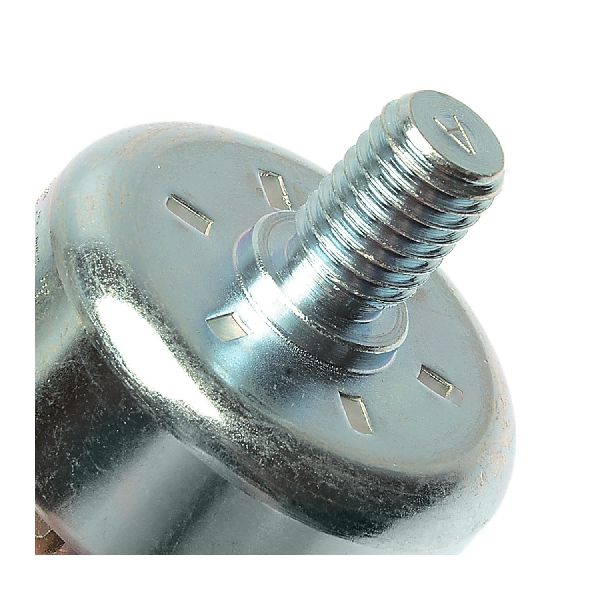
| Tier 2: Reputable Aftermarket | NGK, Standard Ignition (SMP), Walker Products | These are established brands with a reputation for quality. They can be a good alternative if OEM parts are unavailable, but most H2 specialists still recommend sticking with Tier 1 for this part. |
| Tier 3: Budget Brands | Global Parts, True Tech, and other low-cost options | Use with extreme caution. While the low price is tempting, the risk of premature failure is very high for this application, as reported by many owners. The potential savings are not worth the risk of repeating the labor. |
Pro Tip: Replace Everything at Once
Since you have to remove the intake manifold, it is critical to replace related components at the same time. This includes: both knock sensors (even if only one has failed), the knock sensor wiring harness, and the intake manifold gaskets. The harness is a common failure point and becomes brittle from heat and corroded by moisture.
Frequently Asked Questions (FAQ)

How many knock sensors does my Hummer H2 have?
All 2003-2009 Hummer H2 models with the 6.0L or 6.2L V8 engine have two knock sensors. One is for Bank 1 (passenger side) and the other is for Bank 2 (driver side).
Why is it so important to replace the wiring harness too?
The wiring harness sits in the same harsh environment as the sensors. It is frequently the actual point of failure due to corrosion on the connectors or brittle wires from heat cycles. Not replacing the inexpensive harness is a huge gamble that often results in having to do the entire job again.
Is there a recall or TSB for this issue?
There are no official NHTSA recalls for this specific issue. However, there is a well-known General Motors Technical Service Bulletin (TSB) that addresses the water intrusion problem. The TSB advises technicians to apply a bead of RTV silicone to form a dam around the sensor grommets to help divert water away.
🎬 Watch these expert tips for a successful Hummer H2 sensor install.Can I just clean my old sensors and reuse them?
It is not recommended. Once the sensor's internal components are damaged by water and corrosion, or if the sensor itself has failed, cleaning the outside will not fix it. Given the high labor cost to access them, installing new, high-quality sensors and a new harness is the only reliable repair.
Helpful Videos

Technical Specifications
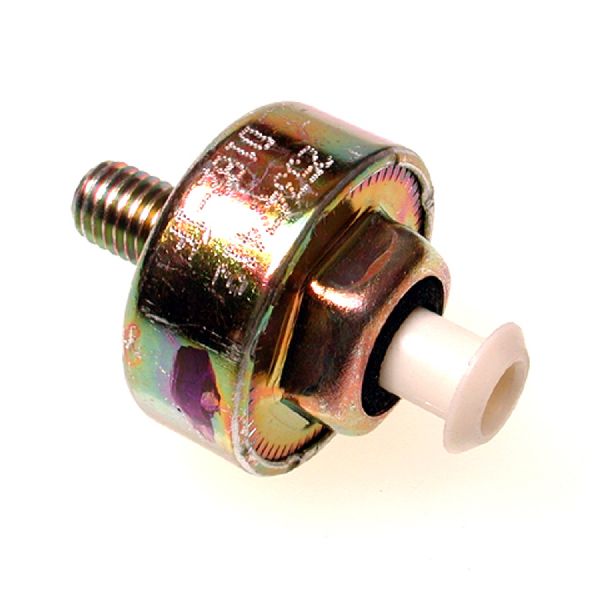
OEM Part Numbers: 12589867 213-3521
Location: Under Intake Manifold in Engine Valley. Quantity Required: 2.
We Have This Part in Stock


The information in this article is provided for general reference and educational purposes only. Vehicle specifications, procedures, and part compatibility can vary by production date, trim level, and region. Always consult your vehicle's factory service manual and verify part numbers before purchasing or performing repairs. Safety-critical components such as airbags, seat belts, and braking systems should be installed by a qualified professional.
- Hummer H2: