

Hummer H2 Oxygen Sensor Guide: 2003-2009 Models
Everything you need to know about diagnosing and replacing the oxygen sensors on your 6.0L or 6.2L V8 Hummer H2.
- Your H2 has four oxygen sensors; identify the correct one (Bank 1/2, Sensor 1/2) before buying.
- Stick to high-quality brands like ACDelco, Denso, Bosch, or NGK (NTK) for reliability.
- Sensors can be very difficult to remove; soak them in penetrating oil overnight before attempting replacement.
- A failing O2 sensor can cause expensive damage to your catalytic converters if ignored.
Is Your Hummer H2 Oxygen Sensor Failing?

A bad oxygen sensor in your H2 isn't just a small problem. It can make your truck run poorly and cost you money at the gas pump. Because these sensors live in the hot, dirty exhaust stream, they eventually wear out. Common signs of failure include a steady Check Engine Light, a noticeable drop in gas mileage, and a rough or shaky idle. You might also notice your H2 feels sluggish when you accelerate or even hear popping or pinging from the engine.
Don't Ignore the Check Engine Light
The most common sign of a bad O2 sensor is a Check Engine Light. Common trouble codes for the Hummer H2 include P0135 (Bank 1 Sensor 1 Heater Circuit) 🎬 Watch this quick fix for the P0135 heater circuit code., P0153 (Bank 2 Sensor 1 Slow Response) 🎬 See how to install a new passenger side oxygen sensor., P0036, and P0141. Bank 1 is the driver's side, and Bank 2 is the passenger's side. Sensor 1 is upstream (before the catalytic converter), and Sensor 2 is downstream (after the converter). A code scanner can tell you which sensor is reporting a fault.
Choosing the Right Aftermarket Oxygen Sensor

When it comes to electronics on your H2, quality matters. While there are many brands available, Hummer owners and GM mechanics generally have the best results with brands known for their OEM-level quality. Cheaper, unknown brands can fail quickly, causing the same problems to return.
Brand Quality Tiers for Hummer H2
- OEM / Premium Aftermarket: ACDelco, Denso, NGK (NTK), Bosch. ACDelco is the original GM part, and many forum users recommend sticking with it for guaranteed compatibility. However, Denso, NGK, and Bosch are often the original manufacturers for ACDelco and offer identical quality, sometimes at a better price. You can't go wrong choosing from this group.
- Professional-Grade Aftermarket: Delphi, Walker Products, Spectra. These brands are well-known in the industry and generally produce reliable parts. They can be a good balance between cost and quality, though long-term performance may not always match the premium brands.
- Budget-Friendly: DriveWire and other store brands. While the low price is tempting, these sensors are often a gamble. They may not last as long or provide the same precise readings as higher-quality options, potentially leading to recurring issues. For a vehicle like the H2, it's usually worth spending more for a reliable sensor.
Direct-Fit vs. Universal Sensors
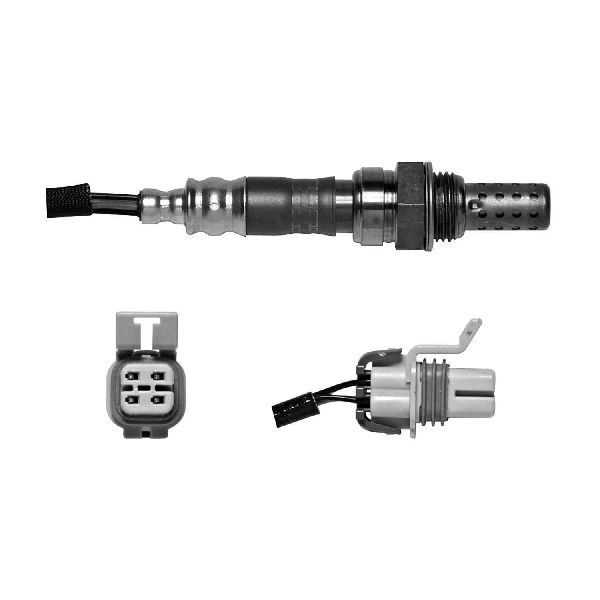
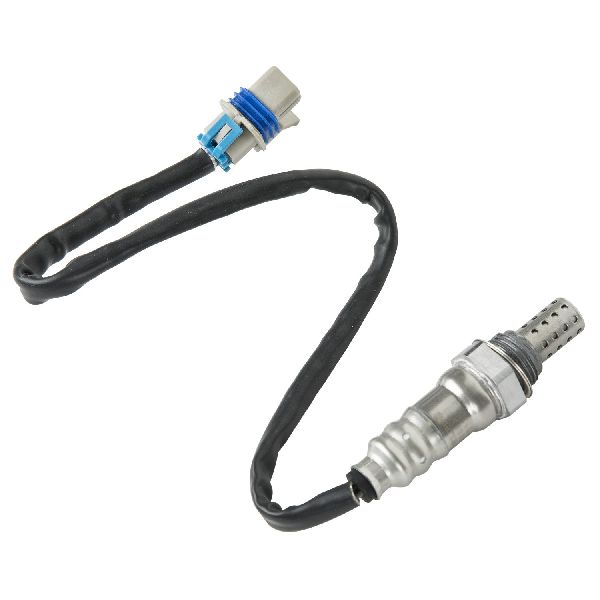
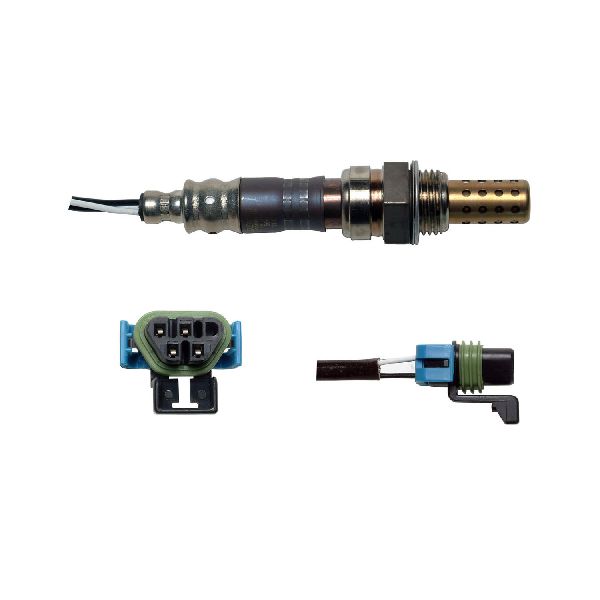
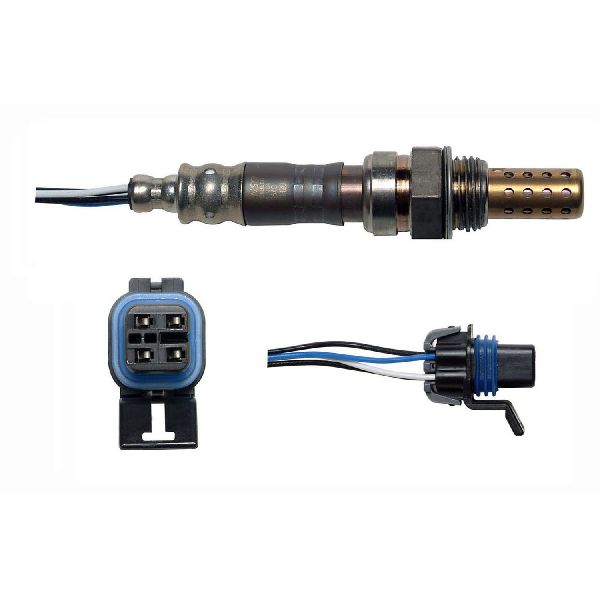
Always choose a "Direct-Fit" sensor for your H2. These come with the correct wire length and factory-style connector for a simple plug-and-play installation. Universal sensors require you to cut and splice wires, which is a common point of failure and not recommended for the harsh environment under your truck.
How Much Does a Hummer H2 Oxygen Sensor Cost?
The cost depends on the brand and whether it's an upstream or downstream sensor. Upstream sensors are often more expensive. Here are typical price ranges:
| Part Type | Typical Cost Range |
|---|---|
| New OEM (ACDelco) | $70 - $150+ |
| New Aftermarket | $35 - $115 |
| Shop Labor | $100 - $200 |
Frequently Asked Questions (FAQ)

Can I replace just one oxygen sensor?
Yes, you only need to replace the sensor that has failed. However, if your H2 has high mileage (over 100,000 miles), the other sensors may not be far behind. Some owners choose to replace them in pairs (both upstream or both downstream) or all four at once for preventative maintenance.
Is replacing an H2 oxygen sensor a DIY job?
Yes, for those with some mechanical experience. The main challenge is that the sensors can be seized in the exhaust pipe due to rust and heat. It often requires a special oxygen sensor socket, a long breaker bar for leverage, and plenty of penetrating oil applied beforehand. 🎬 Check out these pro tips for removing a stuck sensor. The passenger side sensors are generally easier to access than the driver's side.
Where are the four oxygen sensors located on my H2?
Your H2's V8 has two exhaust banks. Bank 1 is the driver's side, and Bank 2 is the passenger's side. On each side, there is one upstream sensor (Sensor 1) located in the exhaust manifold or pipe before the catalytic converter, and one downstream sensor (Sensor 2) located after the catalytic converter.
Are there any recalls for the Hummer H2 oxygen sensor?
No, there are no specific recalls or technical service bulletins (TSBs) from GM or the NHTSA for failing oxygen sensors on the 2003-2009 Hummer H2. Any failure is considered normal wear and tear.
Helpful Videos
Technical Specifications
OEM Part Numbers: 12572705 12589321 12609456 19209808
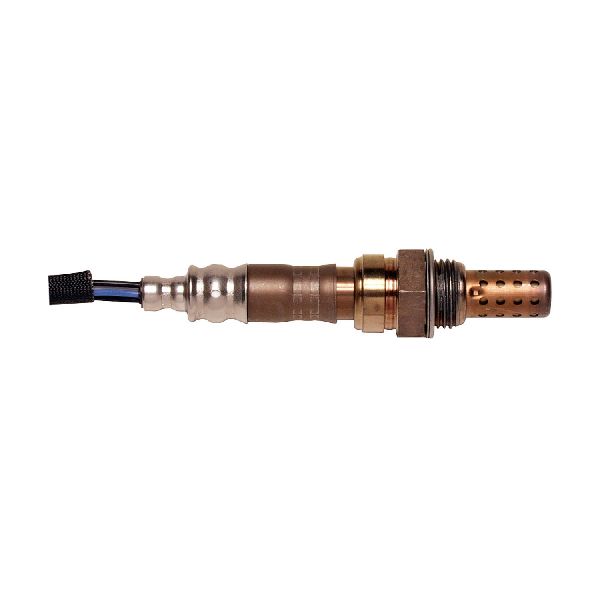
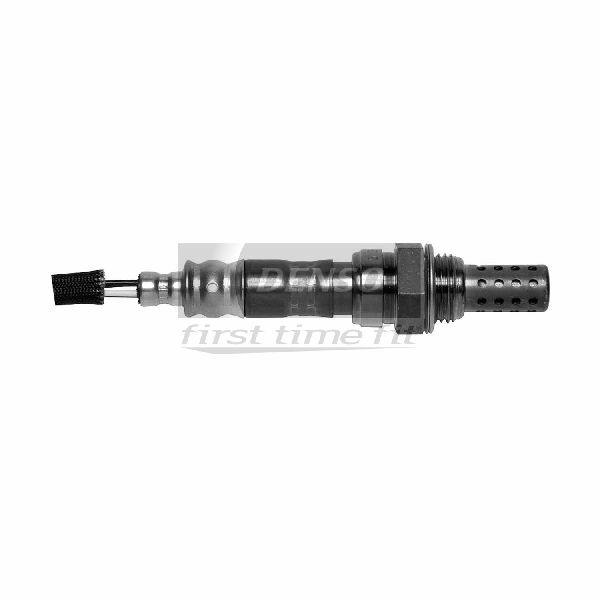
The Hummer H2 uses heated, 4-wire, narrow-band oxygen sensors with an 18mm thread diameter. Direct-fit replacements with vehicle-specific connectors are required.
We Have This Part in Stock

The information in this article is provided for general reference and educational purposes only. Vehicle specifications, procedures, and part compatibility can vary by production date, trim level, and region. Always consult your vehicle's factory service manual and verify part numbers before purchasing or performing repairs. Safety-critical components such as airbags, seat belts, and braking systems should be installed by a qualified professional.
- Hummer H2:
- 🎬 Helpful Videos
- 🛍️ Shop This Part
- Is Your Hummer H2 Oxygen Sensor Failing?
- Don't Ignore the Check Engine Light
- Choosing the Right Aftermarket Oxygen Sensor
- Brand Quality Tiers for Hummer H2
- Direct-Fit vs. Universal Sensors
- How Much Does a Hummer H2 Oxygen Sensor Cost?
- Frequently Asked Questions (FAQ)
- 🎟️ Get 5% Off