

Lexus GX470 Engine Coolant Temperature Sensor: A Complete Guide (2003-2009)
Everything a GX470 owner needs to know about diagnosing and replacing a faulty engine coolant temperature sensor.
- The ECT sensor is critical for fuel economy and engine performance, not just the temp gauge.
- Choose a Denso-branded aftermarket sensor for OEM quality without the Lexus price tag.
- Replacement is a simple, 30-minute DIY job with basic tools like a 19mm deep socket.
- Symptoms include a Check Engine Light (P0117, P0118), poor MPG, rough idle, and hard starting.
Is Your GX470's Coolant Temp Sensor Failing?
A bad Engine Coolant Temperature (ECT) sensor can cause a surprising number of problems on the GX470. Because the sensor's reading is vital for so many engine functions, a false signal can lead the computer to make poor decisions. For example, if the sensor falsely tells the computer the engine is cold, the computer will enrich the fuel mixture, leading to poor gas mileage, black smoke from the exhaust, and potential carbon buildup. Conversely, if it incorrectly reports a hot engine, it can cause hard starting and rough idling.
Two Different Sensors
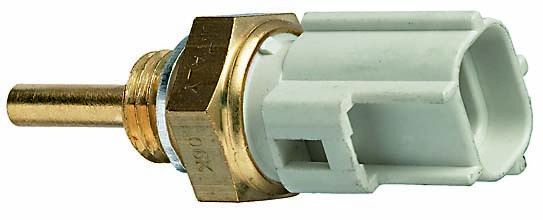
It's important to know that the 2UZ-FE engine in the GX470 has two temperature sensors in the same area. One is the two-wire ECT sensor that sends data to the engine computer (this is the part we're focused on). The other is a one-wire sender that operates the temperature gauge on your dashboard. They are separate parts; a faulty gauge sender will not cause engine performance issues, but a faulty ECT sensor will.
Choosing the Right Aftermarket Sensor for Your GX470
When it comes to electronic sensors for a Lexus, quality matters. While you can save money with an aftermarket part, choosing the wrong brand can lead to more headaches. Here’s a breakdown of brand quality tiers based on owner feedback and OEM status.
Tier 1: OEM Supplier (Best Choice)
- Denso: Denso is the original equipment manufacturer (OEM) for many Toyota and Lexus electronic parts, including this sensor. Choosing a Denso-branded sensor is often identical to buying the genuine Lexus part, but without the dealership markup. For reliability and peace of mind, Denso is the top recommendation.
Tier 2: Reputable Aftermarket Brands
- Delphi: Delphi is another well-respected brand with a history as an OE supplier for many automakers. Their sensors are generally considered high-quality and a reliable alternative if Denso is not available.
- NGK/NTK: While best known for spark plugs and oxygen sensors, NGK/NTK also produces high-quality engine management sensors and is a trusted name.
- Standard Motor Products (SMP): SMP can be a good option, but their quality can sometimes be inconsistent as they may source parts from different manufacturers. It's best to inspect the part if possible.
Tier 3: Use With Caution
- URO Parts, Facet, Four Seasons, Beck Arnley: These brands fall into the budget category. While they may offer a significant cost saving, their long-term reliability and accuracy can be a gamble for a critical sensor like the ECT. Some owners report success, while others experience premature failures. These are best considered a temporary fix rather than a long-term solution.
Pro Tip: Check the Box
Sometimes, aftermarket brands like Beck Arnley or Standard Motor Products will re-box genuine Denso parts. If you're shopping in person, it's worth opening the box to see if the sensor inside has "DENSO" stamped on it. You might get an OEM-quality part at a lower price.
Cost of Replacing the GX470 Coolant Temperature Sensor
| Part or Service | Estimated Cost |
|---|---|
| New OEM Lexus Sensor | $75 - $105 |
| New Aftermarket Sensor | $13 - $83 |
| Shop Labor | $80 - $130 |
| Total DIY Cost (Denso part) | $25 - $45 |
| Total Shop Cost (Aftermarket) | $100 - $210 |
Frequently Asked Questions (FAQ)
Where is the engine coolant temperature sensor located on a 2003-2009 Lexus GX470?
The ECT sensor is located at the front of the engine, screwed into the coolant crossover pipe that sits between the cylinder heads. To see it, you'll need to remove the main plastic engine cover. It's near the thermostat housing where the upper radiator hose connects. It is a two-wire sensor.
Is this a difficult part to replace myself?
No, this is a very feasible DIY job for a beginner. It requires minimal tools—primarily a 19mm deep socket and a ratchet. You will lose a small amount of coolant when the old sensor is removed, so have a rag ready. The most difficult part is simply reaching the sensor, which may require removing the air intake snorkel for better access. The entire job can typically be done in under 30 minutes.
Are there any recalls or TSBs for the GX470 coolant sensor?
A search of the NHTSA database shows no recalls or Technical Service Bulletins (TSBs) specifically for the engine coolant temperature sensor on the 2003-2009 Lexus GX470. Any issues are typically due to normal wear and tear.
What happens if the ECM enters "fail-safe" mode?
If the ECM detects an irrational signal from the ECT sensor (e.g., a signal that is too high or too low), it will ignore the sensor and operate in a fail-safe mode. In this mode, it assumes a fixed coolant temperature, typically around 176°F (80°C). This allows the engine to run, but it will not be efficient, leading to poor fuel economy, hard starting, and increased emissions.
Technical Specifications
OEM Part Numbers: 89422-35010 89422-30030 89422-33030
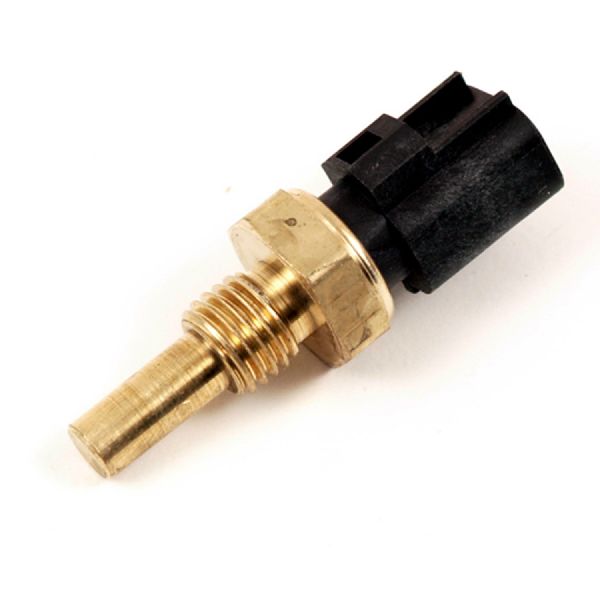
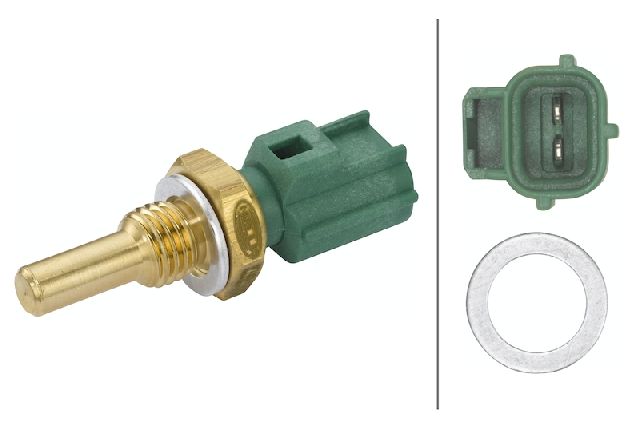
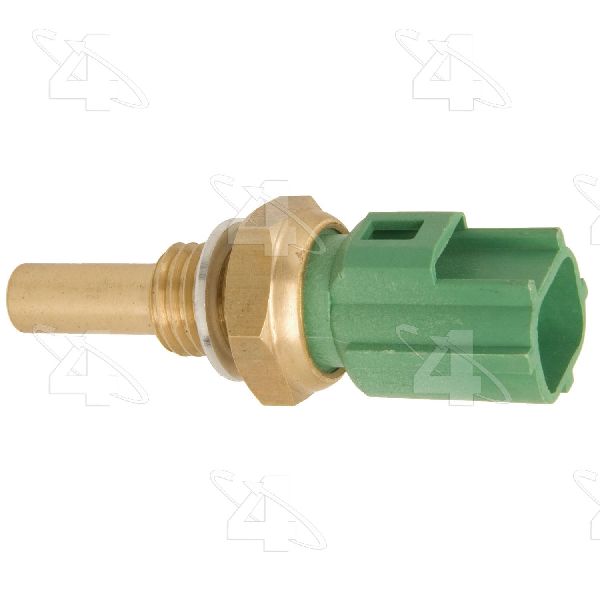
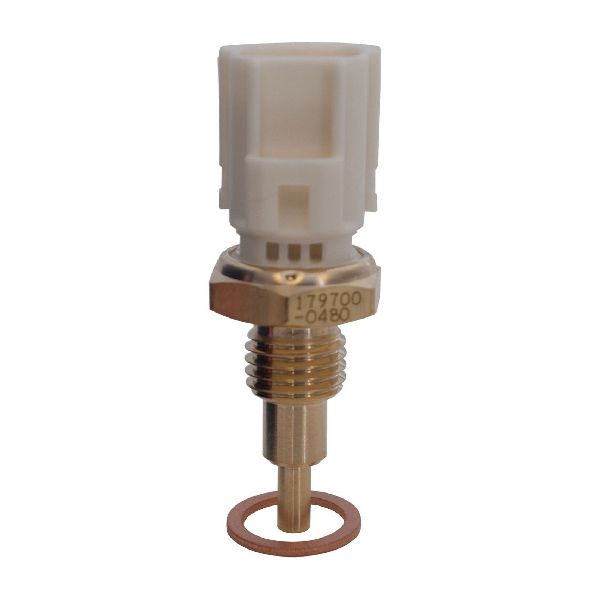
Two-pin thermistor sensor, typically with a green or gray connector. Requires a 19mm deep socket for removal/installation.
We Have This Part in Stock


The information in this article is provided for general reference and educational purposes only. Vehicle specifications, procedures, and part compatibility can vary by production date, trim level, and region. Always consult your vehicle's factory service manual and verify part numbers before purchasing or performing repairs. Safety-critical components such as airbags, seat belts, and braking systems should be installed by a qualified professional.
- Lexus GX470:
- 🛍️ Shop This Part
- Is Your GX470's Coolant Temp Sensor Failing?
- Two Different Sensors
- Choosing the Right Aftermarket Sensor for Your GX470
- Tier 1: OEM Supplier (Best Choice)
- Tier 2: Reputable Aftermarket Brands
- Tier 3: Use With Caution
- Pro Tip: Check the Box
- Cost of Replacing the GX470 Coolant Temperature Sensor
- Frequently Asked Questions (FAQ)
- 🎟️ Get 5% Off