

Lexus GX470 Engine Oil Pressure Switch Replacement Guide (2003-2009)
How to fix the common oil leak and flickering dashboard light caused by a faulty oil pressure switch on your GX470.
- A leaking oil pressure switch is the most common failure sign on the GX470.
- Always verify your engine oil level with the dipstick before assuming the sensor is bad.
- Replacement is a simple DIY job that can be done in under an hour with basic tools.
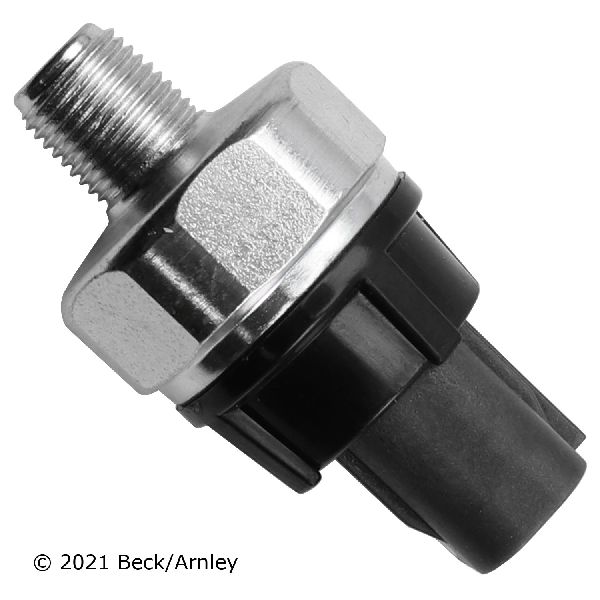
- Given the low cost, choosing a quality OEM or top-tier aftermarket brand like Beck Arnley is a wise investment.
Is Your GX470 Leaking Oil or Showing a Warning Light?
A failing engine oil pressure switch is a very common issue on the 2003-2009 Lexus GX470. The two most frequent signs of failure are a persistent oil leak from the sensor itself and a flickering or constantly illuminated oil pressure warning light on the dashboard, even when the engine oil level is correct. The leak happens when the sensor's internal seals break down, allowing oil to seep from the body of the switch. This is a known issue, and Lexus has even issued a Technical Service Bulletin (TSB) that uses a leaking oil pressure sensor as an example of a component that needs replacement.
Symptoms of a Bad Oil Pressure Switch
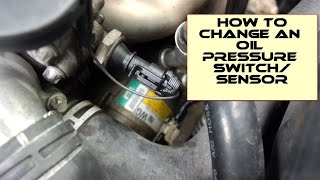
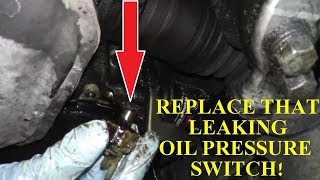
- Oil Drips on the Ground: The most common symptom is an oil leak originating from the switch, which is located near the oil filter on the driver's side of the engine. You may see drips on your garage floor or notice oil residue on the engine block and splash shield below the filter. 🎬 See how to diagnose and replace a leaking oil sensor
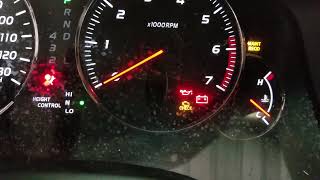
- Flickering Oil Light: The oil pressure light on your dash may flicker or stay on, especially at idle. If you have checked your oil level with the dipstick and it is full, the switch is the most likely culprit. 🎬 Watch: Diagnosing a flickering oil light on your GX470
- Incorrect Warning: The switch might send false signals to the dashboard, causing the warning light to come on when there is no actual problem with your oil pressure.
Don't Ignore the Warning Light
Never assume the warning light is just a bad sensor. Always pull over safely and check your engine oil level immediately. Driving with true low oil pressure can destroy your engine in minutes.
Choosing the Right Aftermarket Part
For a simple but critical sensor like this, part quality matters. While an OEM switch from a Lexus dealer offers guaranteed fit and performance, a high-quality aftermarket part can provide the same reliability for less money. Aftermarket brands can be grouped into tiers based on reputation.
- Top Tier (OEM Equivalent): Brands like Beck Arnley and Standard Ignition (SMP) have a long-standing reputation. Beck Arnley, in particular, is known for often repackaging the original OEM part without the dealership markup. These are a safe bet for reliability.
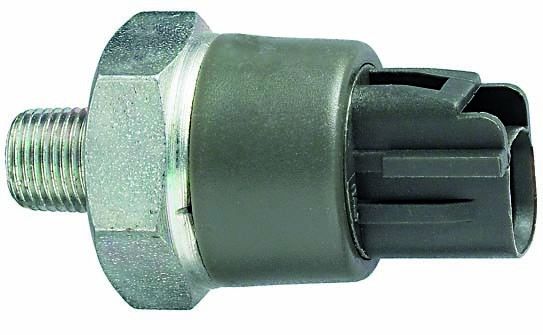
- Mid-Tier (Professional Grade): Brands such as Facet and Holstein are established aftermarket manufacturers that offer a balance of quality and value. They are generally considered reliable for daily use.
- Economy Tier: Brands like Global Parts are typically focused on being the most affordable option. While functional, they may not have the same long-term durability or precise calibration as higher-tier brands. For a part this critical and inexpensive, sticking with a top or mid-tier brand is recommended.
Installation Overview
Replacing the oil pressure switch is a straightforward job that a DIYer with basic tools can complete in under an hour. The switch is located on the driver's side of the engine block, near the oil filter, and is accessed from underneath the vehicle.
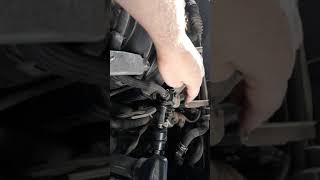
🎬 Watch: Step-by-step switch replacement using basic hand tools- Safely raise the front of the vehicle with a jack and secure it on jack stands.
- Locate the oil pressure switch near the oil filter. Place a drain pan underneath to catch a small amount of oil that will spill.
- Unplug the single-wire electrical connector from the switch.
- Using a deep socket or wrench, unscrew the old switch from the engine block.
- Apply thread sealant to the new switch if it doesn't have any pre-applied.
- Screw in the new switch by hand, then tighten it until snug with a wrench. Do not overtighten.
- Reconnect the electrical connector, lower the vehicle, and start the engine to check for leaks.
| Part Type | Estimated Cost |
|---|---|
| New OEM (Dealer) | $40 - $55 |
| New Aftermarket | $13 - $30 |
| Shop Labor | $50 - $100 |
Frequently Asked Questions
Can I still drive my GX470 with a bad oil pressure switch?
If you have confirmed the oil level is full and the engine is not making any unusual noises (like ticking or knocking), you can cautiously drive the vehicle for a short distance to get it repaired. However, you have lost your primary warning system for actual low oil pressure, so the issue should be fixed as soon as possible.
Do I need a special tool to replace the switch?
Usually, a standard deep-well socket or an open-end wrench is all that is needed. However, some switches have a unique shape that may require a specific oil pressure switch socket for best results. The size can also vary between the original and aftermarket parts.
Will a lot of oil leak out when I change the switch?
No, only a small amount of residual oil will drip out. Having a drain pan or some shop towels ready is sufficient to manage the mess.
Are there any recalls for the oil pressure switch on the GX470?
No, there are no active recalls from Lexus or the NHTSA for the engine oil pressure switch on the 2003-2009 GX470.
Helpful Videos

Technical Specifications
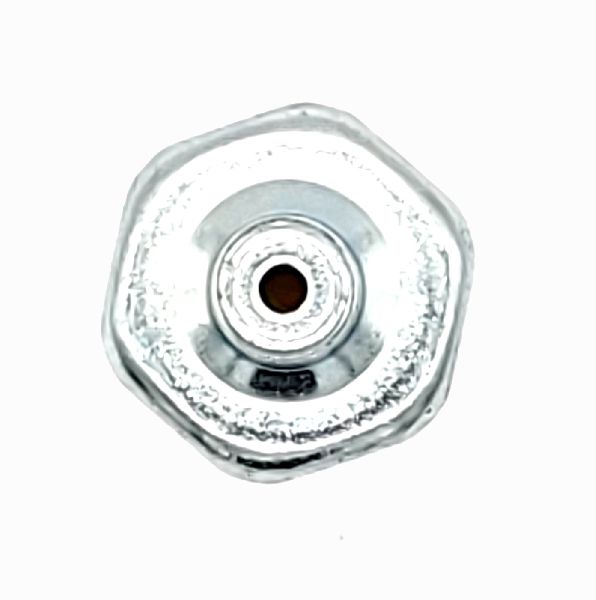
OEM Part Numbers: 83530-60020
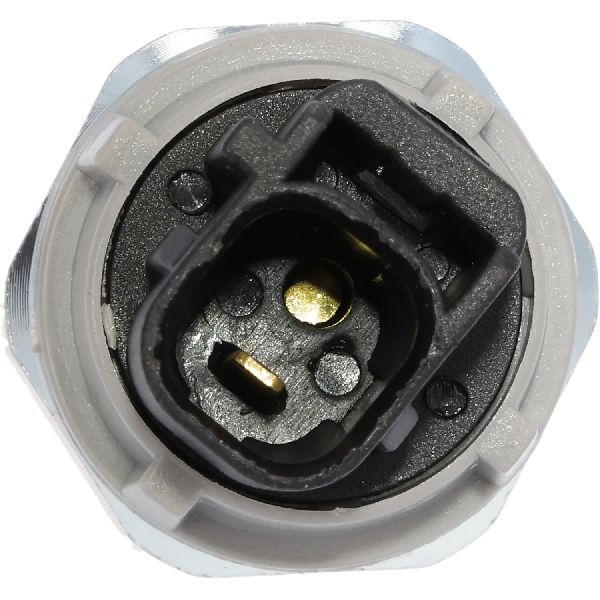
Connector: 1-Pin Male
We Have This Part in Stock


The information in this article is provided for general reference and educational purposes only. Vehicle specifications, procedures, and part compatibility can vary by production date, trim level, and region. Always consult your vehicle's factory service manual and verify part numbers before purchasing or performing repairs. Safety-critical components such as airbags, seat belts, and braking systems should be installed by a qualified professional.
- Lexus GX470: