

Lexus GX470 (2003-2009) Oxygen Sensor: A Complete Guide
Diagnose and replace your GX470's oxygen sensors to restore fuel economy and engine performance.
- Always choose Denso brand sensors for your GX470 to ensure compatibility and avoid persistent check engine lights.
- Your GX470 has four sensors: two upstream (Air/Fuel Ratio) and two downstream (Oxygen), which are not interchangeable.
- A Check Engine Light accompanied by VSC TRAC lights is a very common sign of a failed oxygen sensor.
- Replacing the sensors is a manageable DIY job, but be prepared for rusted/seized parts by using penetrating fluid.
Symptoms of a Failing Oxygen Sensor
A bad oxygen sensor in your GX470 will almost always trigger a Check Engine Light. When you see this light, along with other VSC TRAC and VSC OFF lights, it's time to read the diagnostic trouble codes (DTCs). A failing sensor can't properly report oxygen levels, leading to several noticeable problems.
- Check Engine Light: This is the most common sign. Specific codes like P0031, P0051, P0130, P0150, P0171, and P0174 point directly to sensor or circuit failures.
- Reduced Fuel Economy: The engine computer may default to a rich fuel mixture to protect the engine, causing you to use more gas. Owners often see a drop in MPG when sensors are old or failing.
- Rough Idle and Poor Performance: An incorrect fuel mixture can cause the engine to run rough, hesitate, or feel less powerful.
- Failed Emissions Test: A faulty O2 sensor will prevent your vehicle from passing an emissions inspection due to high pollutant levels and the active Check Engine Light.
Don't Ignore the Warning Lights
When an oxygen sensor fails, the Check Engine, VSC TRAC, and VSC OFF lights often illuminate together. This is because the vehicle's stability control system can be disabled when an engine fault is detected. Driving with a bad upstream sensor for too long can lead to a rich fuel condition that may damage the expensive catalytic converters.
Choosing the Right Aftermarket Oxygen Sensor
When replacing oxygen sensors on your GX470, choosing the right brand is critical. The vehicle's computer is sensitive, and using a low-quality or incorrect type of sensor can lead to persistent check engine lights and performance issues.
Brand Quality Tiers for the GX470
- Tier 1: OEM Equivalent (Recommended)
Denso: Denso is the Original Equipment Manufacturer (OEM) for Toyota and Lexus, meaning they made the part that was installed in your GX470 at the factory. For guaranteed fit, performance, and longevity, Denso is the top choice. Forum members and mechanics overwhelmingly recommend sticking with Denso to avoid compatibility problems. - Tier 2: Reputable Aftermarket
Bosch, NGK: These are well-known brands that manufacture quality sensors. While generally reliable, some Toyota owners report occasional issues with non-Denso sensors. If choosing between them, ensure it is a direct-fit model specific to your GX470, not a universal one. - Tier 3: Budget Brands
Walker Products, Spectra, DriveWire, etc.: These brands offer a more affordable option. However, their long-term reliability and compatibility with the sensitive Lexus ECU can be a gamble. They may work, but they carry a higher risk of causing persistent codes or failing prematurely compared to Denso.
Upstream vs. Downstream: Don't Mix Them Up!
The upstream (pre-catalyst) and downstream (post-catalyst) sensors are different parts and are not interchangeable. The upstream sensors are technically Air/Fuel Ratio sensors, which are more complex and expensive than the downstream oxygen sensors. Always verify the part number for the specific location (e.g., Bank 1 Sensor 1, Bank 2 Sensor 2) before purchasing.
Cost of Replacing a Lexus GX470 Oxygen Sensor
| Part Type | Typical Cost |
|---|---|
| New OEM (Lexus/Toyota Branded) | $120 - $275 per sensor |
| New Aftermarket (Denso - OEM Supplier) | $45 - $140 per sensor |
| New Aftermarket (Other Brands) | $25 - $120 per sensor |
| Shop Labor | $100 - $250 per sensor |
Frequently Asked Questions (FAQ)
How many oxygen sensors does a 2003-2009 GX470 have?
Your GX470 has four oxygen sensors. There are two upstream (Bank 1 Sensor 1 and Bank 2 Sensor 1) and two downstream (Bank 1 Sensor 2 and Bank 2 Sensor 2). Bank 1 is the driver's side, and Bank 2 is the passenger's side.
What tools do I need to replace a GX470 oxygen sensor?
You will need a special oxygen sensor socket (often a 22mm slotted socket), a ratchet with extensions, penetrating fluid (like PB Blaster), and potentially a flathead screwdriver to release the electrical connector clips. Many auto parts stores rent O2 sensor socket kits.
Is replacing the oxygen sensors a DIY job?
Yes, it is a feasible DIY job for many owners. The main challenge is often rust, which can seize the sensor in the exhaust pipe. Accessing the upstream sensors is typically done through the front wheel wells after removing a splash guard. Applying penetrating fluid the night before can make removal much easier.
Why should I use Denso sensors?
Denso is the original manufacturer for Lexus. Using Denso ensures that the sensor's heater circuit, response time, and voltage readings are exactly what the GX470's computer expects. Using other brands, especially universal ones, can sometimes lead to compatibility issues and persistent fault codes.
Are there any recalls for the GX470 oxygen sensor?
No, there are no specific recalls for the oxygen sensors on the 2003-2009 Lexus GX470. Searches of the NHTSA database show recalls for other issues like airbags and labels, but not for oxygen sensors on this model.
Technical Specifications
OEM Part Numbers: 89467-71020 89465-60150 89465-35690 89465-60250 89465-60200
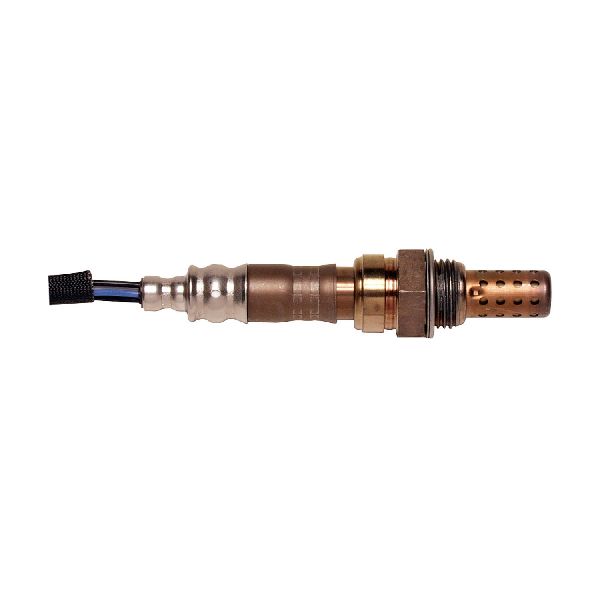
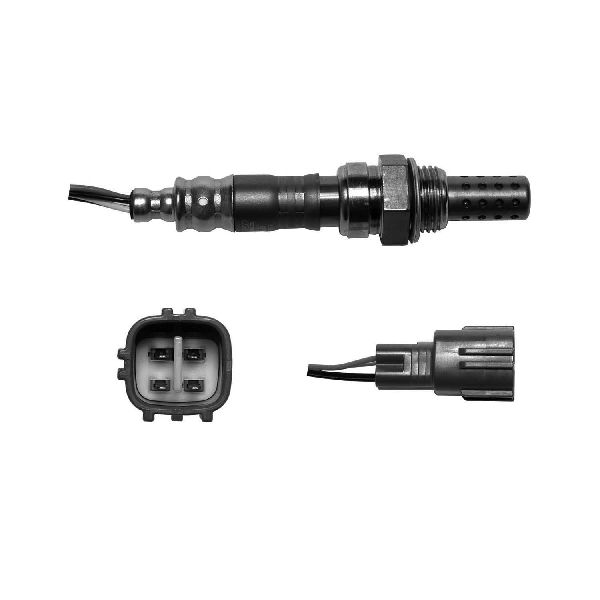
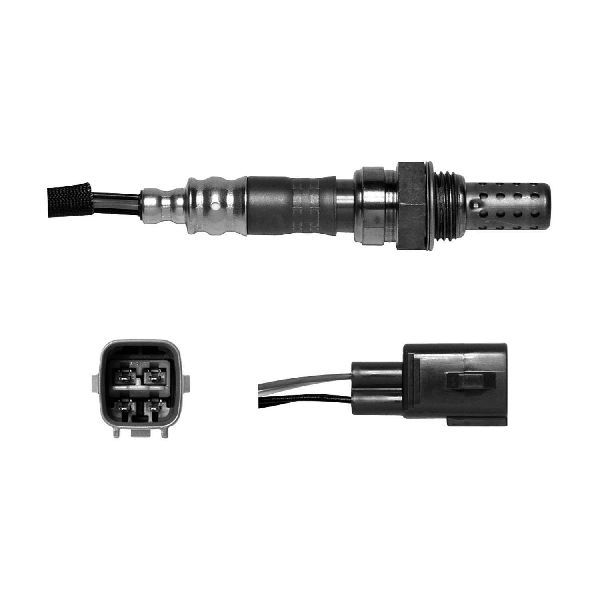
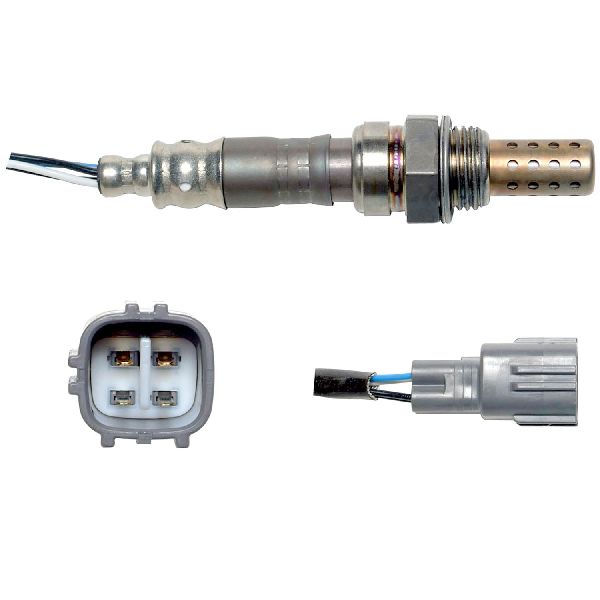
The 2003-2009 Lexus GX470 uses four sensors in its 4.7L 2UZ-FE V8 engine. There are two upstream, wideband Air/Fuel Ratio sensors (one per bank) and two downstream, narrowband oxygen sensors (one per bank). The upstream sensors for 2005-2009 models are different from the 2003-2004 models. All sensors are heated and use a 4-wire connector.
We Have This Part in Stock
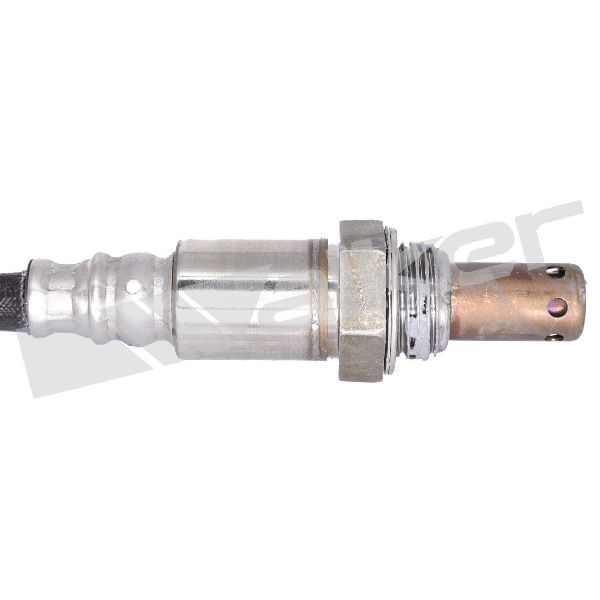


The information in this article is provided for general reference and educational purposes only. Vehicle specifications, procedures, and part compatibility can vary by production date, trim level, and region. Always consult your vehicle's factory service manual and verify part numbers before purchasing or performing repairs. Safety-critical components such as airbags, seat belts, and braking systems should be installed by a qualified professional.
- Lexus GX470:
- 🛍️ Shop This Part
- Symptoms of a Failing Oxygen Sensor
- Don't Ignore the Warning Lights
- Choosing the Right Aftermarket Oxygen Sensor
- Brand Quality Tiers for the GX470
- Upstream vs. Downstream: Don't Mix Them Up!
- Cost of Replacing a Lexus GX470 Oxygen Sensor
- Frequently Asked Questions (FAQ)
- 🎟️ Get 5% Off