

A Deep Dive into the Automatic Transmission Mount for the 2003-2009 Mazda 6
If your Mazda 6 is vibrating or making clunking sounds, the automatic transmission mount could be the culprit.
- The most common symptoms of a bad mount are vibrations at idle and clunking noises when shifting.
- This is a manageable DIY repair for those with basic tools and experience; it requires supporting the transmission.
- For best results and ride comfort, consider a higher-quality aftermarket brand like Beck Arnley or an OEM part.
- If one mount has failed, it's a good idea to inspect the other two engine mounts for wear.
Is Your Mazda 6 Shaking? Signs of a Failing Transmission Mount
When the automatic transmission mount wears out, the signs are hard to ignore. The rubber inside the mount cracks, collapses, or separates from the metal, losing its ability to absorb vibration. This leads to several common symptoms that can affect your car's comfort and performance.
- Increased Vibrations: This is the most common sign. You'll feel a noticeable buzzing or shaking through the steering wheel, floor, or seats, especially when the car is idling in gear or during acceleration.
- Clunking or Banging Noises: A loud "clunk" or "thud" when you shift from Park into Drive or Reverse is a classic symptom. You might also hear banging sounds when you accelerate hard or hit a bump, which is the sound of the transmission moving excessively and hitting the frame.
- Visible Engine Movement: If you have a helper put the car in gear and lightly press the accelerator (with the parking brake on and the hood open), you may see the entire engine and transmission assembly rock back and forth more than it should.
Important Safety Notice: Front Crossmember Recall
While there are no specific recalls for the transmission mount, owners of 2009 Mazda 6 vehicles (and later models) should be aware of NHTSA Recall 19V-323 (Mazda Recall 2818I). This recall addresses potential corrosion of the front crossmember in states with heavy road salt use. A corroded crossmember can affect steering control. We strongly recommend checking if your vehicle is affected by this or any other open recalls.
Choosing the Right Aftermarket Mount: A Brand Comparison
When replacing your transmission mount, you have a choice between OEM and several aftermarket brands. For a part that directly impacts ride quality, the brand you choose matters.
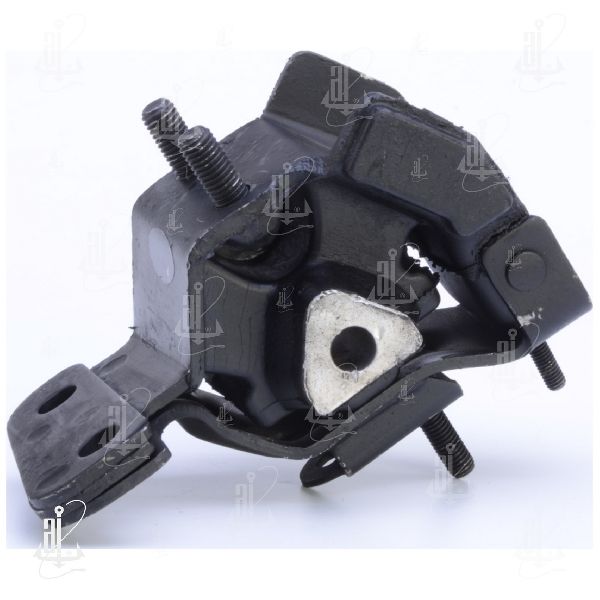
- Good - Economy Brands (Anchor, DEA, Westar): These brands offer the most affordable replacements. They are a practical choice for budget-conscious repairs. However, forum discussions suggest they may use harder rubber, which can transmit more vibration into the cabin, or may not last as long as higher-tier options.
- Better - Quality Aftermarket (Beck Arnley): Beck Arnley has a reputation for producing parts that closely match original equipment fit and quality. For a component like a mount, where vibration damping is key, spending a little more on a brand like this can result in a smoother ride and better longevity compared to economy options.
- Best - OEM (Original Equipment Manufacturer): The original Mazda part is designed specifically for your vehicle and guarantees the best fit and performance, especially in controlling vibration. While it's the most expensive option, it's the benchmark for quality.
Pro Tip: Replace Other Mounts
The transmission mount is just one of three main mounts holding your powertrain. If one has failed, the others have been subjected to extra stress and may be worn as well. For the best results and to avoid replacing another mount in a few months, inspect the passenger-side engine mount and the rear engine torque strut mount at the same time.
Understanding Replacement Costs
The cost to replace the automatic transmission mount depends on whether you do it yourself or use a professional mechanic.
| Item | Estimated Cost |
|---|---|
| New Aftermarket Part | $56 - $129 |
| New OEM Part | $160 - $190 |
| Shop Labor | $120 - $300 |
| Total Professional Replacement | $176 - $490 |
Frequently Asked Questions
Is replacing the transmission mount a DIY job?
Yes, for those with some mechanical experience. The job requires removing the battery, battery tray, and air filter housing to access the mount. You will need to safely support the transmission with a floor jack and a block of wood before removing the old mount. The entire process takes about 1.5 to 2.5 hours.
What tools are needed for the replacement?
You'll need basic hand tools, including 10mm, 15mm, and 17mm sockets, a ratchet, a breaker bar for stubborn bolts, and a torque wrench to tighten the new bolts to factory specifications.
Will a new mount fix my car's vibration completely?
If the old mount was the cause, a new one should make a significant difference. However, vibrations can also be caused by bad tires, worn suspension parts, or other failing engine mounts. If the vibration persists after replacement, it's wise to inspect the other mounts and components.
Is there a difference between the mount for the 4-cylinder and V6 engine?
Yes, the engine and transmission configurations are different. It is crucial to order the mount that is specific to your vehicle's engine (2.3L 4-cylinder or 3.0L V6) and model year to ensure proper fitment. Some parts listings show different part numbers for different engines.
Technical Specifications
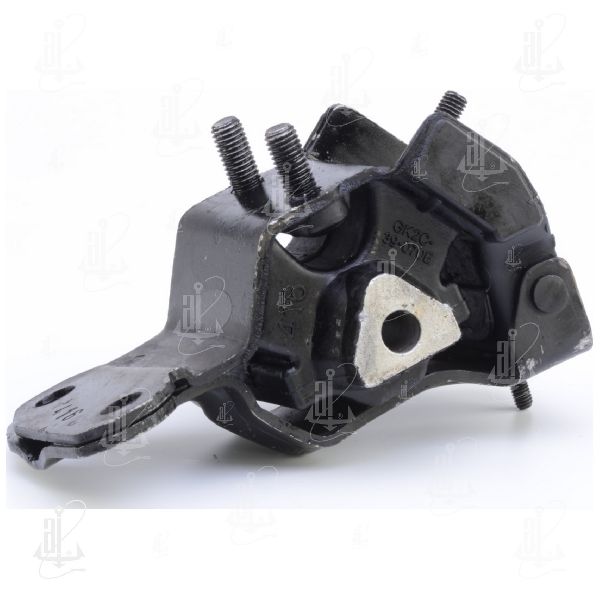
OEM Part Numbers: GK2F39070E GN3D39070
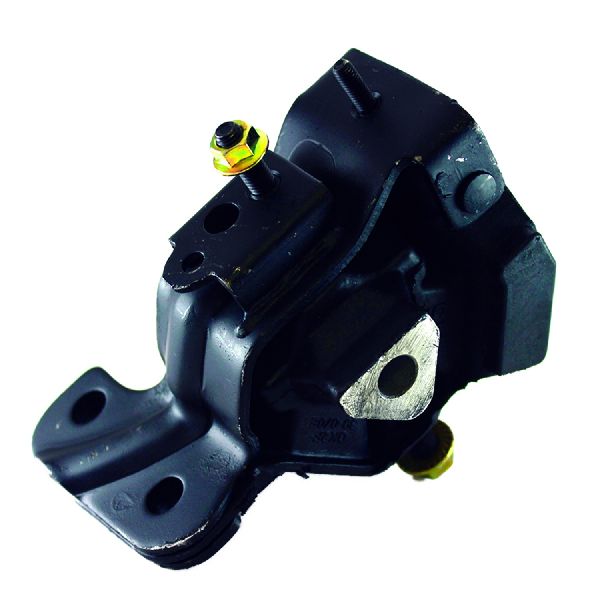
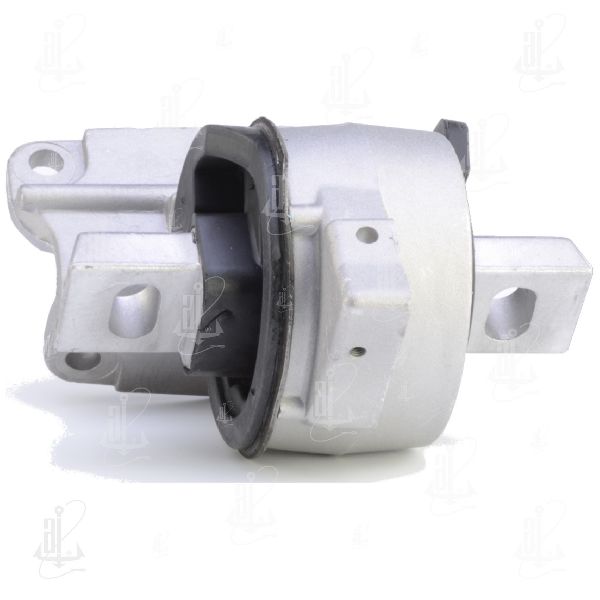
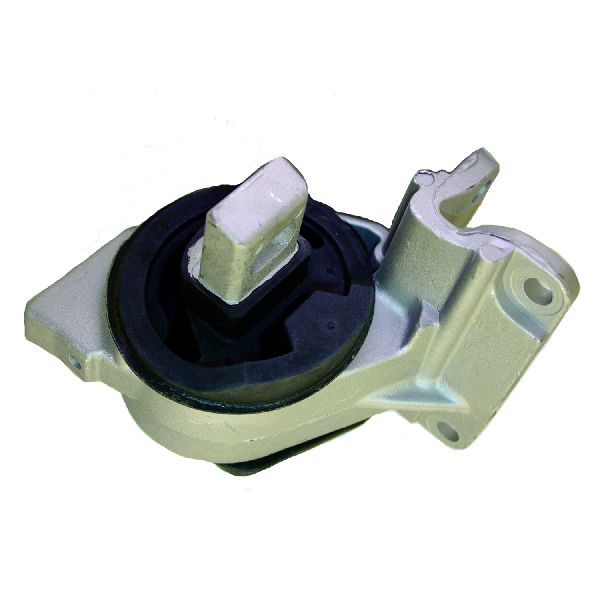
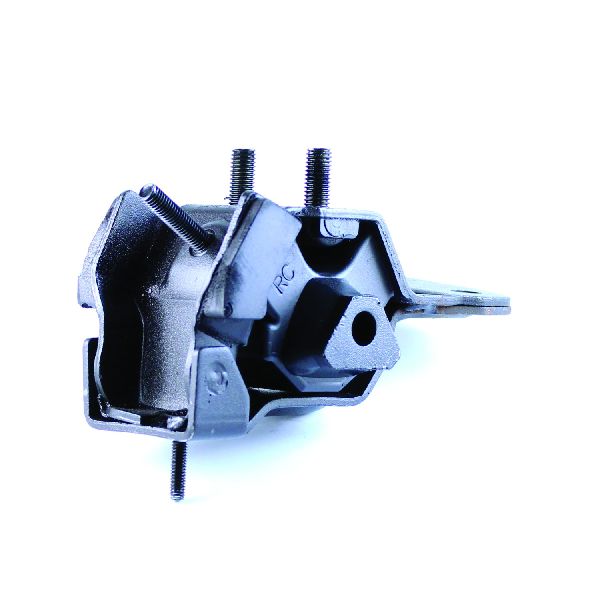
The automatic transmission mount is located on the driver's side of the vehicle, underneath the battery tray and air intake assembly. It secures the transaxle to the vehicle's chassis.
We Have This Part in Stock

The information in this article is provided for general reference and educational purposes only. Vehicle specifications, procedures, and part compatibility can vary by production date, trim level, and region. Always consult your vehicle's factory service manual and verify part numbers before purchasing or performing repairs. Safety-critical components such as airbags, seat belts, and braking systems should be installed by a qualified professional.
- Mazda 6: