

Mazda 6 Engine VVT Solenoid Guide (2003-2009): Symptoms & Replacement
Understand the common failure points of the VVT solenoid in your first-generation Mazda 6 and how to choose the right replacement part.
- A bad VVT solenoid will cause a Check Engine Light with codes like P0011 or P0012, rough idle, and poor acceleration.
- The main cause of failure is dirty engine oil; regular oil changes are crucial for prevention.
- This is a DIY-friendly repair that usually takes less than an hour with basic tools.
- Quality aftermarket brands like Standard Ignition or Beck Arnley offer a reliable, cost-effective alternative to expensive OEM parts.
Is Your Mazda 6 VVT Solenoid Failing?

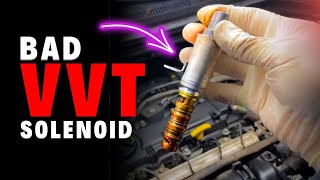
A faulty Variable Valve Timing (VVT) solenoid can cause a range of noticeable problems in your 2003-2009 Mazda 6. Because this part controls engine timing by managing oil flow, its failure can mimic other serious engine issues. 🎬 Watch: Learn more about common VVT solenoid symptoms and causes. The most common reason for VVT solenoid problems is old or dirty engine oil, which can clog the small passages and screens inside the solenoid. Keeping up with regular oil changes using the correct oil is the best way to extend the life of your VVT system.
Known Issues: Oil Sludge is the Enemy
For the 2003-2009 Mazda 6, the primary cause of VVT solenoid failure is not typically a manufacturing defect, but rather contamination from engine oil. Oil sludge can block the solenoid's internal screen, preventing it from properly regulating oil pressure. This can lead to a Check Engine Light and poor engine performance. In some cases, owners have found that cleaning the solenoid can temporarily resolve the issue, but replacement is often the permanent solution.
Choosing the Right Aftermarket VVT Solenoid

When replacing the VVT solenoid on your Mazda 6, you have several options ranging from budget-friendly to premium aftermarket. Unlike some parts where OEM is the only good choice, many aftermarket VVT solenoids offer reliable performance and can be a cost-effective solution.
Brand Quality Tiers
- Premium Aftermarket (e.g., Standard Ignition, Beck Arnley, NTK): These brands are well-regarded in the industry and often produce parts that meet or exceed original equipment specifications. They use high-quality materials, such as anodized steel components to resist sticking from sludge and premium O-rings to prevent leaks. These are a solid choice for owners looking for long-term reliability.
- Standard Aftermarket (e.g., Dorman, Gates, Spectra): Brands like Dorman are known for providing a wide range of aftermarket parts that address common OE failure points. While some online forums have mixed reviews on Dorman's electronic components, their VVT solenoids are generally considered a reliable and affordable repair option for daily drivers.
- Economy Brands (Various): While the lowest price can be tempting, be cautious with lesser-known brands. These solenoids may use lower-quality materials that are more susceptible to failure from heat and oil contamination, potentially causing you to do the job twice.
Pro Tip: Replace in Pairs on V6 Engines
The 3.0L V6 engine in the Mazda 6 has two VVT solenoids—one for each cylinder bank. If one has failed due to mileage or oil contamination, the other is likely not far behind. To save on future labor and ensure balanced engine performance, it's often recommended to replace both solenoids at the same time.
VVT Solenoid Replacement Cost for 2003-2009 Mazda 6

The cost to replace a VVT solenoid can vary significantly based on whether you do it yourself or take it to a shop. The part itself is relatively affordable, but labor costs can add up.
| Item | Cost Range |
|---|---|
| OEM Part (Dealer) | $400 - $417 |
| Aftermarket Part | $38.95 - $384.36 |
| Shop Labor | $114 - $168 |
| Estimated Total (Shop) | $275 - $585 |
Frequently Asked Questions

Can I clean my Mazda 6 VVT solenoid instead of replacing it?
Yes, cleaning the solenoid is possible and can sometimes restore function, especially if the issue is a simple clog. You can remove the solenoid and use brake cleaner to clean the screen and internal passages. However, this is often a temporary fix. If the solenoid's electronic components are failing, cleaning will not help, and replacement is necessary.
🎬 See how to test your VVT solenoid before buying a replacement.Is replacing the VVT solenoid a difficult DIY job?
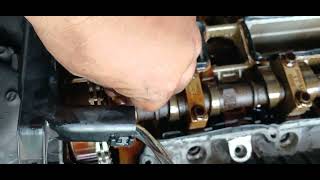
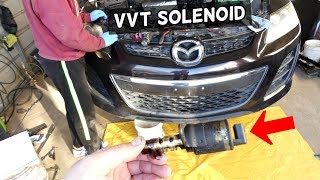
For most DIY mechanics, replacing the VVT solenoid on a Mazda 6 is a relatively easy job. It is typically located on the top of the engine near the valve cover and is secured by one or two bolts. The process involves disconnecting the battery, unplugging the electrical connector, removing the bolts, and swapping the old solenoid for the new one. The estimated time is under an hour.
🎬 Watch this step-by-step walkthrough of the replacement process.What happens if I don't replace a bad VVT solenoid?
Ignoring a failing VVT solenoid can lead to more significant problems. You will experience continued poor engine performance, rough idling, and bad fuel economy. In the long run, incorrect valve timing can put extra stress on other engine components like the timing chain and camshafts, potentially leading to much more expensive repairs.
Are there any recalls for the VVT solenoid on the 2003-2009 Mazda 6?
No, there are no specific recalls for the VVT solenoid on the 2003-2009 Mazda 6. Searches of the NHTSA database show recalls for this vehicle related to Takata airbags, but none for the VVT system. Some Technical Service Bulletins (TSBs) exist for VVT noise and related DTCs on other Mazda models, but they are not specific to the 2003-2009 Mazda 6 VVT solenoid itself.
Helpful Videos

Technical Specifications
OEM Part Numbers: L3K9-14-420A
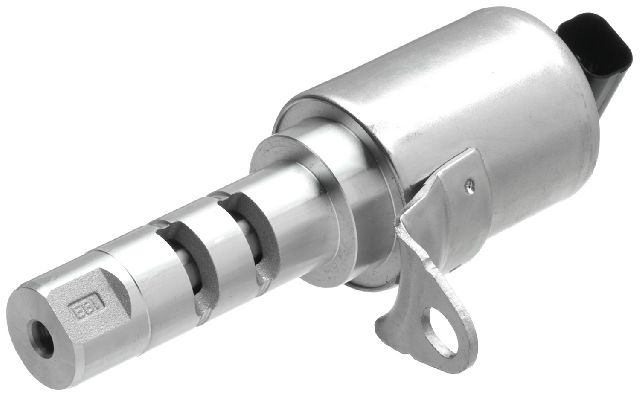
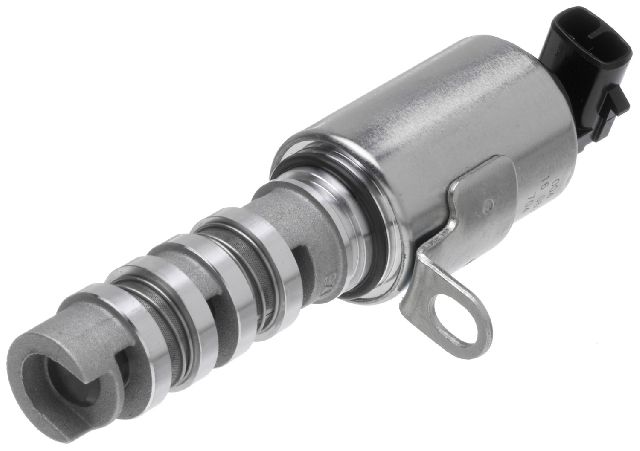
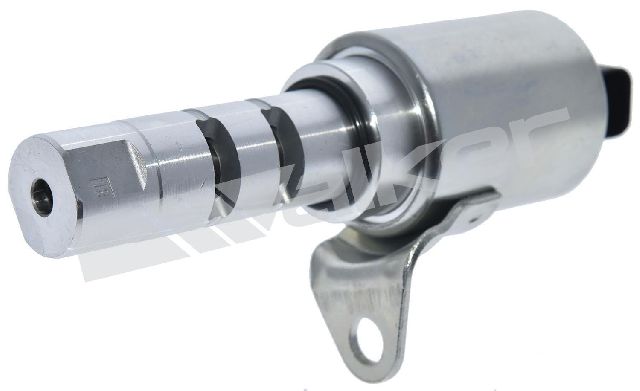
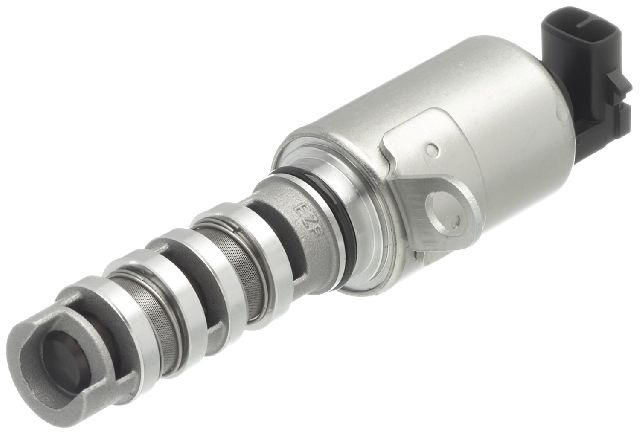
The VVT solenoid is an electromagnetic oil control valve. It has a 2-pin electrical connector and is sealed with O-rings to prevent oil leaks. The V6 model uses two separate solenoids.
We Have This Part in Stock


The information in this article is provided for general reference and educational purposes only. Vehicle specifications, procedures, and part compatibility can vary by production date, trim level, and region. Always consult your vehicle's factory service manual and verify part numbers before purchasing or performing repairs. Safety-critical components such as airbags, seat belts, and braking systems should be installed by a qualified professional.
- Mazda 6:
- 🎬 Helpful Videos
- 🛍️ Shop This Part
- Is Your Mazda 6 VVT Solenoid Failing?
- Known Issues: Oil Sludge is the Enemy
- Choosing the Right Aftermarket VVT Solenoid
- Brand Quality Tiers
- Pro Tip: Replace in Pairs on V6 Engines
- VVT Solenoid Replacement Cost for 2003-2009 Mazda 6
- Frequently Asked Questions
- 🎟️ Get 5% Off