

A Deep Dive into the 2003-2009 Mazda 6 EGR Valve
Tackle rough idles and check engine lights by understanding your Mazda 6's specific EGR system.
- For V6 engines, the primary problem is often clogged EGR passages inside the intake manifold, not the valve itself.
- Replacement on the 4-cylinder engine is known to be very difficult due to tight access and a hard-to-reach bolt.
- Common symptoms of failure include a rough idle, poor engine performance, and an illuminated Check Engine Light.
- Investing in a quality aftermarket brand like Delphi or Standard Ignition is recommended for long-term reliability.
Is Your Mazda 6 EGR Valve Failing?


A faulty EGR valve, whether on the 4-cylinder or V6 engine, will cause noticeable problems. Because the valve can fail by either sticking open or sticking closed, symptoms can vary. Carbon buildup from exhaust soot is the primary cause of failure, preventing the valve from moving freely.
Common Failure Symptoms
Look for these signs if you suspect your EGR valve is going bad:
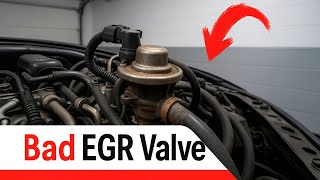
🎬 Watch: A visual guide to these 11 common failure symptoms.- Check Engine Light: This is often the first indicator. Codes like P0401 (Insufficient Flow), P0404 (Range/Performance), or P2144 (Low Flow) may be stored.
- Rough Idle or Stalling: If the valve is stuck open, it allows exhaust gases into the engine at idle, disrupting the air-fuel mixture and causing a rough, unstable idle or even stalling.
- Poor Performance and Acceleration: A valve stuck open dilutes the fresh air charge, leading to sluggish acceleration and a general lack of power.
- Engine Knocking (Pinging): If the valve is stuck closed, combustion temperatures can rise too high, causing fuel to detonate prematurely. This sounds like a pinging or knocking noise, especially under load.
A Critical Note for V6 Owners: It Might Not Be the Valve!
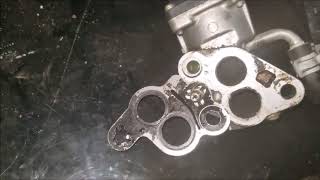
For the 3.0L V6 engine, a very common issue is not the EGR valve itself, but the small passages and tube that lead from the valve into the intake manifold. These passages become completely clogged with hard carbon deposits, triggering a 'low flow' code. Many owners mistakenly replace the EGR valve only to have the Check Engine Light return because the root cause—the blockage—was never cleared. Before replacing the valve on a V6, it is essential to remove the throttle body and EGR tube assembly to inspect and thoroughly clean these passages.
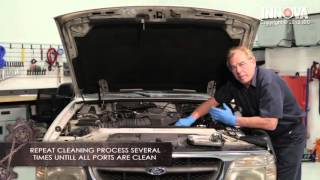
🎬 See how to properly clean the valve and intake ports.Choosing the Right Aftermarket EGR Valve

When replacing the EGR valve, you have options ranging from premium to budget-friendly. For a critical emissions part, investing in quality is wise to avoid repeat repairs.
| Brand Tier | Brands | Quality & Performance Assessment |
|---|---|---|
| Premium Aftermarket | Delphi, Standard Ignition (Standard Motor Products) | These brands are often Original Equipment (OE) suppliers and are widely trusted by professionals. Parts from Delphi and Standard are known for their precise fit, OE-level performance, and durability, making them a reliable choice. |
| Quality Aftermarket | Nissens | Nissens focuses on improving upon original designs by addressing known weaknesses. They may use upgraded internal components to enhance longevity and resistance to heat and vibration, offering a solid alternative to OE or premium brands. |
| Economy | True Tech | Economy brands offer a cost-effective solution. While they meet the basic function, they may not have the same long-term durability or precise calibration as higher-tier brands. This is a budget option for those prioritizing price. |
Pro Tip: Replacing Gaskets
Always use new gaskets when replacing your EGR valve. Many aftermarket valves include them in the box. A proper seal is critical to prevent exhaust and vacuum leaks that will cause performance issues.
Frequently Asked Questions (FAQ)

Can I just clean my Mazda 6 EGR valve?
Yes, cleaning is sometimes possible, but success varies. For the V6, cleaning the clogged passages is more important than cleaning the valve itself. For the 4-cylinder, the removal process is so difficult that many owners choose to install a new valve since the labor is the same. If you do clean it, use a dedicated carburetor or EGR cleaner and avoid getting solvents into the electronic components.
What's the difference between the 4-cylinder and V6 EGR systems?
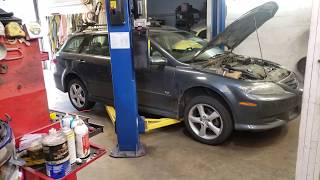
The main differences are location and common failure points. On the 2.3L 4-cylinder, the valve is difficult to access, tucked behind the engine. 🎬 Watch this walkthrough for replacing the 2.3L 4-cylinder valve. On the 3.0L V6, the valve is more accessible, but the internal intake passages are the primary point of failure due to carbon blockage.
Do I need to drain coolant to replace the EGR valve?
Possibly. Some Mazda 6 models have coolant lines running to the EGR valve to help regulate its temperature. If your valve has these connections, you will need to be prepared to drain some coolant or clamp the hoses to minimize loss during the replacement.
Why is my Check Engine Light still on after replacing the EGR valve?
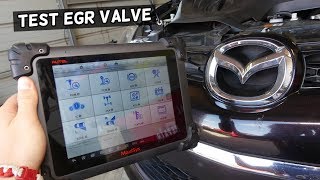
There are a few common reasons. On a V6, the EGR passages are likely still clogged. On either engine, you may have forgotten to clear the diagnostic trouble codes with an OBD2 scanner. Lastly, the problem could be a related component, like a faulty sensor or a vacuum leak.
Helpful Videos


Technical Specifications
OEM Part Numbers: L3H520300 AJ9520300B AJ9520300C 1S7G9D475AH
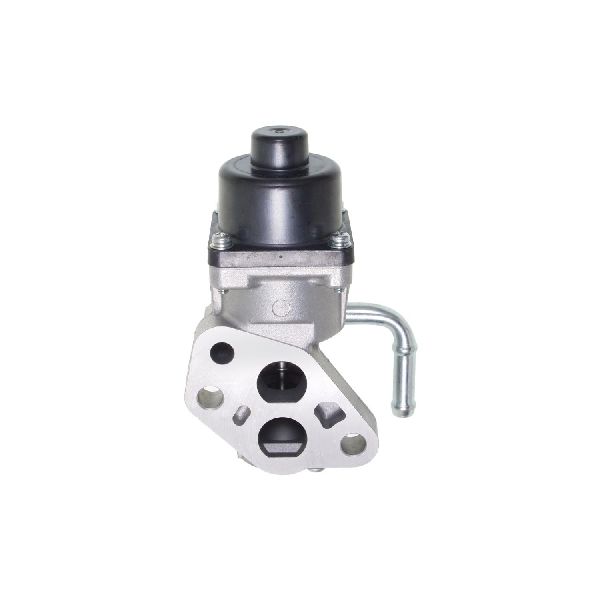
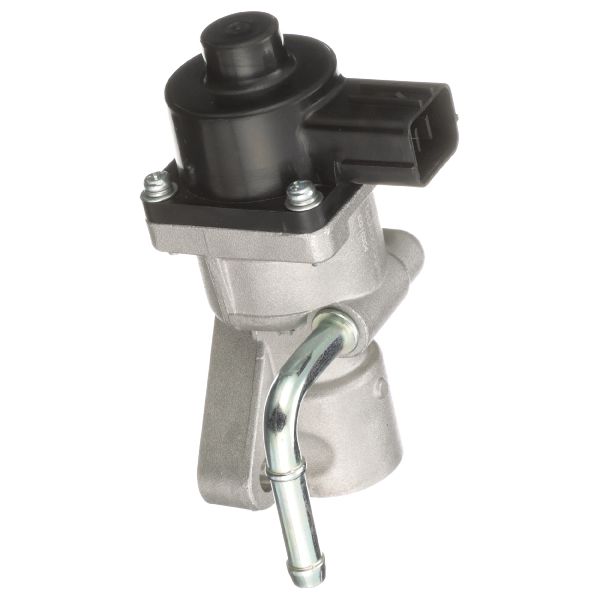
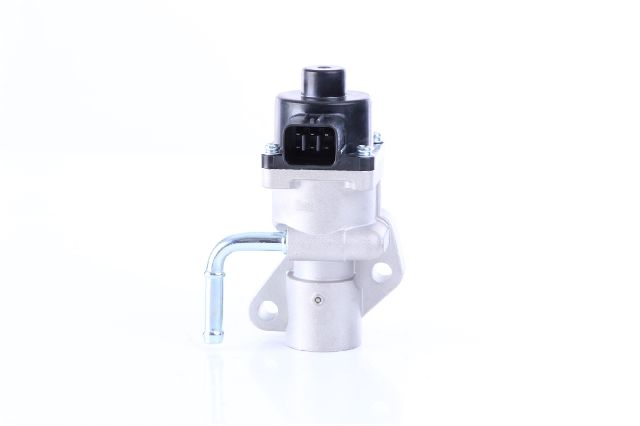
Varies by engine (2.3L I4 or 3.0L V6). Some models are coolant-heated. All are electronically controlled. Ensure the part matches your specific engine.
We Have This Part in Stock


The information in this article is provided for general reference and educational purposes only. Vehicle specifications, procedures, and part compatibility can vary by production date, trim level, and region. Always consult your vehicle's factory service manual and verify part numbers before purchasing or performing repairs. Safety-critical components such as airbags, seat belts, and braking systems should be installed by a qualified professional.
- Mazda 6: