

A Practical Guide to Oxygen Sensors for the 2003-2009 Mazda 6
Everything a Mazda 6 owner needs to know before replacing a faulty O2 sensor.
- Confirm your engine: 4-cylinder models have 2 O2 sensors, while V6 models have 4.
- For best results, choose an OEM-equivalent brand like Denso or NGK/NTK for guaranteed fit and performance.
- Use a dedicated O2 sensor socket for removal and installation to avoid damaging the sensor's wire.
- A bad sensor will cause poor fuel economy and a failed emissions test; don't ignore the check engine light.
Is Your Mazda 6 Oxygen Sensor Failing?

A failing oxygen sensor rarely brings your car to a screeching halt, but it will cause noticeable problems. The most obvious sign is a solid Check Engine Light on your dashboard. You will also likely notice a significant drop in fuel economy and may experience rough idling, hesitation during acceleration, or a failed emissions test.
4-Cylinder vs. V6: A Critical Difference

Before buying any parts, you must know which engine your 2003-2009 Mazda 6 has. This determines how many sensors you need.
- 2.3L 4-Cylinder Models: These engines have two oxygen sensors. One is an upstream sensor (also called Sensor 1) and one is a downstream sensor (Sensor 2).
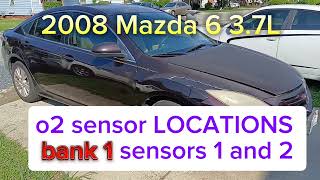
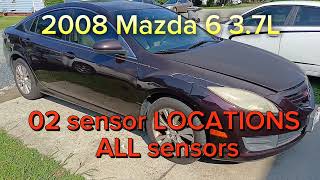
- 3.0L V6 Models: These engines have four oxygen sensors. There is one upstream and one downstream sensor for each cylinder bank (Bank 1 and Bank 2). Bank 1 is the cylinder bank closer to the firewall, which can be harder to access. Bank 2 is the cylinder bank closer to the front of the vehicle. 🎬 See this video for all four V6 sensor locations
Choosing the Right Aftermarket Oxygen Sensor

For a critical part like an O2 sensor, brand and quality matter. While OEM sensors from a dealer are an option, high-quality aftermarket parts can offer the same performance for less money. Here’s a breakdown of available brands.
Tier 1: OEM-Equivalent Quality
Brands: Denso, NGK (NTK)
Denso and NGK (which markets its sensors under the NTK brand) are widely recognized as the original equipment manufacturers for many Japanese vehicles, including Mazda. Choosing one of these brands is the closest you can get to buying a genuine dealer part. They are highly recommended by experienced mechanics and owners for their perfect fit, correct electrical connectors, and long-term reliability.
Tier 2: Reputable Aftermarket
Brands: Bosch, Delphi
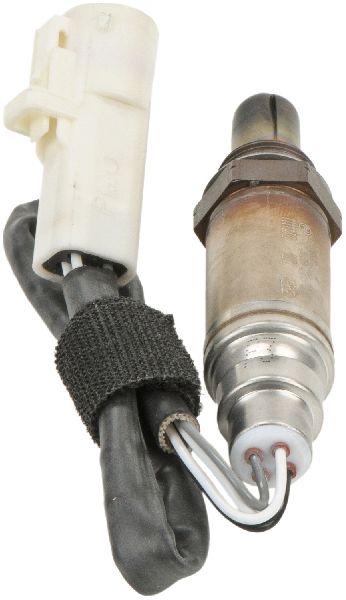
Bosch is a massive, well-respected parts manufacturer. While their sensors are generally high quality, some mechanics note that for Japanese cars, it's crucial to ensure you are buying a direct-fit model with the correct connector, not a "universal" sensor that requires splicing wires. Delphi is another established brand that offers reliable direct-fit options.
Tier 3: Budget-Friendly Options
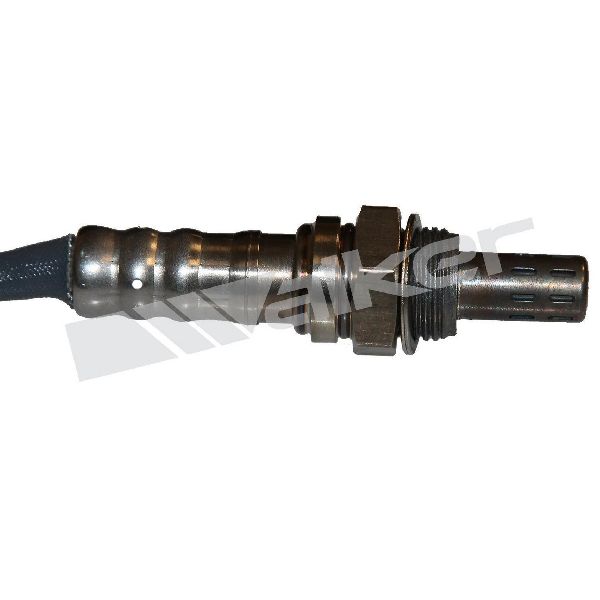
Brands: DriveWire, Spectra, Walker Products, Vemo
These brands offer a lower price point, which can be appealing. However, O2 sensors are precise instruments. A lower-quality sensor may not last as long or provide the accurate readings your engine's computer needs, potentially leading to continued poor fuel economy or performance issues. For long-term peace of mind, investing in a Tier 1 or Tier 2 brand is often the smarter choice.
Pro Tip: Installation and Known Issues

Replacing an O2 sensor can be a straightforward DIY job, but the biggest challenge is often removing the old one. Sensors can become seized in the exhaust pipe due to rust and heat cycles. Mazda even issued a Technical Service Bulletin (TSB 01-003/15) outlining a specific procedure for technicians to remove stubborn sensors using penetrating oil and a careful loosening process to avoid damaging the exhaust. Always use a proper O2 sensor socket, which has a slot for the wire, to avoid damaging the new part. 🎬 Watch this step-by-step walkthrough for replacing the sensor It's also a good idea to apply a small amount of anti-seize compound to the threads of the new sensor (many new sensors come with it pre-applied).
| Item | Estimated Cost |
|---|---|
| New Aftermarket Oxygen Sensor | $25 - $326 |
| New OEM Oxygen Sensor | $270 - $360 |
| Shop Labor | $75 - $150 per sensor |
Frequently Asked Questions
How many oxygen sensors does my 2003-2009 Mazda 6 have?
If you have the 2.3L 4-cylinder engine, you have two sensors. If you have the 3.0L V6 engine, you have four sensors.
What is the difference between an upstream and downstream sensor?
The upstream sensor (Sensor 1) is located before the catalytic converter and measures the raw exhaust from the engine to help control the air-fuel ratio. The downstream sensor (Sensor 2) is located after the catalytic converter and primarily monitors the converter's efficiency.
On my V6, what are Bank 1 and Bank 2?
Bank 1 refers to the set of cylinders (and its corresponding exhaust components) that is located closer to the firewall. Bank 2 is the cylinder bank closer to the radiator/front of the car.
Can I just clean my old oxygen sensor?
While some online sources suggest cleaning O2 sensors, it is generally not an effective or lasting solution. The failure is usually internal to the sensor's heating element or sensing components, which cannot be cleaned. Replacement is the only reliable fix.
What tools do I need to replace an O2 sensor?
You will need a ratchet, possibly an extension, and a special oxygen sensor socket (typically 22mm or 7/8"). This socket has a cutout on the side to accommodate the sensor's wire. You may also need penetrating oil if the old sensor is stuck.
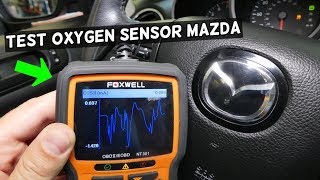
Helpful Videos
Technical Specifications
The 2.3L I4 engine uses two sensors; the 3.0L V6 engine uses four sensors. Bank 1 is the rear bank (by firewall); Bank 2 is the front bank. A special procedure (Mazda TSB 01-003/15) is recommended for removing seized sensors.
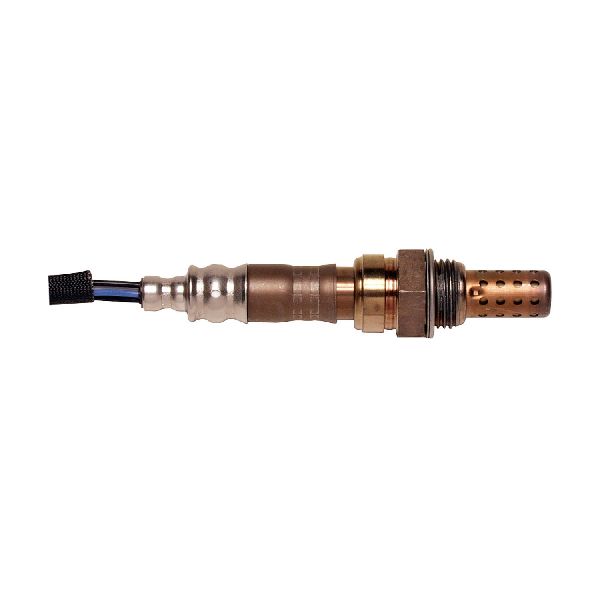
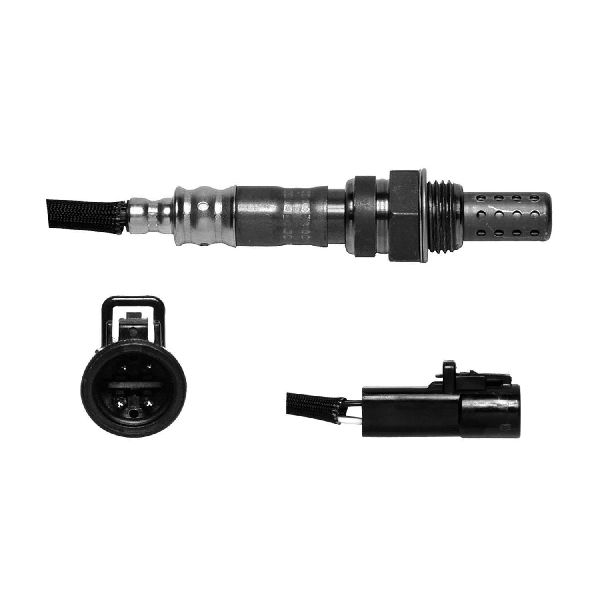
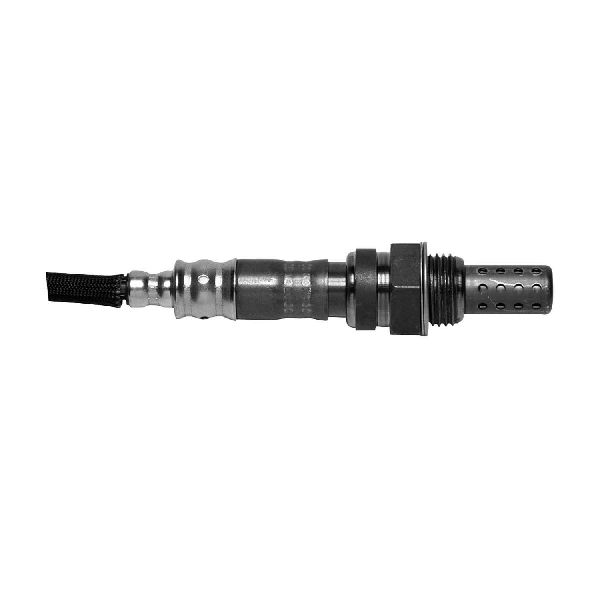
We Have This Part in Stock


The information in this article is provided for general reference and educational purposes only. Vehicle specifications, procedures, and part compatibility can vary by production date, trim level, and region. Always consult your vehicle's factory service manual and verify part numbers before purchasing or performing repairs. Safety-critical components such as airbags, seat belts, and braking systems should be installed by a qualified professional.
- Mazda 6:
- 🎬 Helpful Videos
- 🛍️ Shop This Part
- Is Your Mazda 6 Oxygen Sensor Failing?
- 4-Cylinder vs. V6: A Critical Difference
- Choosing the Right Aftermarket Oxygen Sensor
- Tier 1: OEM-Equivalent Quality
- Tier 2: Reputable Aftermarket
- Tier 3: Budget-Friendly Options
- Pro Tip: Installation and Known Issues
- Frequently Asked Questions
- 🎟️ Get 5% Off