

A Guide to Radiator Coolant Hoses for the 2003-2009 Mazda 6
Keep your Mazda 6 from overheating by understanding when and how to replace its radiator hoses.
- Hose failure is due to age and heat; it is a normal wear item, not a recall issue.
- Symptoms include leaks, overheating, and visible damage like cracks or swelling.
- Always verify your engine (2.3L or 3.0L) before ordering, as hoses are engine-specific.
- Gates and Continental are top-tier aftermarket brands; Dayco is a solid budget choice.
- It is highly recommended to replace hoses in pairs (upper and lower) at the same time.
Why Radiator Hoses Fail on Your Mazda 6
Radiator hoses are wear-and-tear items. After years of exposure to extreme temperatures, pressure, and engine vibrations, the rubber material breaks down. For the 2003-2009 Mazda 6, hoses that are over a decade old are prime candidates for failure. They can become hard and brittle, leading to cracks, or soft and swollen, risking a burst under pressure. Oil and other engine fluids can also contaminate the rubber, causing it to degrade faster.
Symptoms of a Bad Radiator Hose
A failing hose will give you clear warning signs. Ignoring them can lead to serious engine trouble. Be on the lookout for:
- Coolant Leaks: This is the most common symptom. You may find puddles of bright green or pink, sweet-smelling fluid under the front of your car. 🎬 Watch: A mechanic tracks down a tricky Mazda 6 coolant leak. Leaks often start as small drips at the connection points to the radiator or engine.
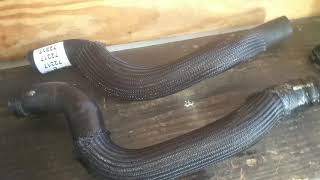
- Visible Hose Damage: Pop the hood and inspect the hoses. Look for cracks, splits, or bulging areas. A swollen or spongy hose is a sign of internal breakdown and is close to failing.
- Engine Overheating: If a hose bursts or has a major leak, your engine will lose coolant rapidly. This will cause the temperature gauge to spike into the red zone. Pull over immediately if this happens.
- Low Coolant Level: If you constantly have to add coolant to the overflow tank, you have a leak somewhere in the system. A failing hose is a likely culprit.
No Recalls for This Part
There are no recalls or specific Technical Service Bulletins (TSBs) from Mazda for radiator hose failure on the 2003-2009 Mazda 6. This is considered a normal maintenance item that fails with age and mileage.
Choosing the Right Aftermarket Hose
When shopping for a new radiator hose, you have a choice between OEM and aftermarket parts. For a vehicle of this age, a quality aftermarket hose offers the best value. Fitment is the most important factor, so be sure to buy the correct part for your specific engine (2.3L 4-cylinder or 3.0L V6).
- Tier 1: Gates & Continental: These brands are widely respected and often considered equal to or better than OEM in quality. Gates, in particular, is frequently praised by mechanics for its excellent fit and durability. You can trust these brands to perform reliably.
- Tier 2: Dayco: Dayco is a well-known brand that offers a more budget-friendly option. While generally reliable, some users have reported that Dayco hoses can feel thinner or have a slightly less precise fit than Gates or OEM parts. They are a perfectly acceptable choice, but may not be as robust as the Tier 1 options.
Pro Tip: Replace in Pairs
If one of your main radiator hoses has failed due to age, the other one is likely not far behind. It is highly recommended to replace the upper and lower hoses at the same time. It's also smart to replace hoses whenever you are doing other cooling system work, like replacing the radiator or thermostat.
Replacement Cost
Replacing a radiator hose is a relatively inexpensive repair. The parts are affordable, and the labor is straightforward for a mechanic.
| Part/Service | Estimated Cost |
|---|---|
| New Aftermarket Hoses (Continental, Dayco, Gates) | $17 - $56 |
| New OEM Hoses | $30 - $90 |
| Shop Labor & Coolant Refill | $117 - $172 |
| Total Professional Replacement | $134 - $228 |
Frequently Asked Questions (FAQ)
Is it hard to replace the radiator hoses on a Mazda 6?
No, for a DIYer with basic tools, this is a manageable job. The upper hose is very easy to access. The lower hose can be a bit more difficult. The main steps involve draining the coolant, removing the air intake box for clearance, using pliers on the clamps, and swapping the hoses. The most difficult part is often dealing with old, stuck-on hoses.
Do I need special tools?
Basic hand tools like a socket set and pliers are usually sufficient. A pair of hose clamp pliers can make removing the factory spring clamps much easier, but regular pliers can also work. You will also need a drain pan to catch the old coolant.
Which hose is more likely to fail?
The upper radiator hose generally fails more often. 🎬 See this walkthrough for replacing a busted upper radiator hose. It is exposed to the hottest coolant directly from the engine, causing it to degrade faster than the lower hose, which carries cooler fluid from the radiator.
Do I have to drain all the coolant to change a hose?
Yes, you should drain the radiator before removing the hoses to minimize mess and coolant loss. After replacing the hoses, you will need to refill and bleed the air out of the cooling system.
🎬 Watch: How to properly drain, fill, and bleed your radiator.What type of coolant should I use in my 2003-2009 Mazda 6?
Use a high-quality coolant designed for Asian vehicles, often labeled as P-OAT. Mazda's specified coolant is FL22 (green). Do not mix different types or colors of coolant.
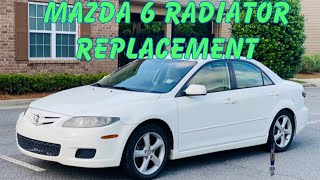
Helpful Videos

Technical Specifications
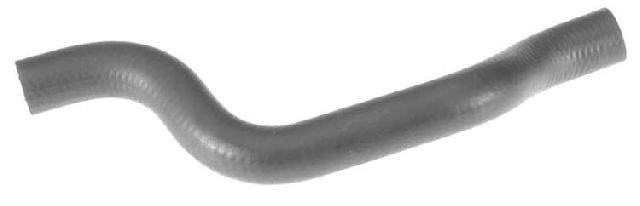
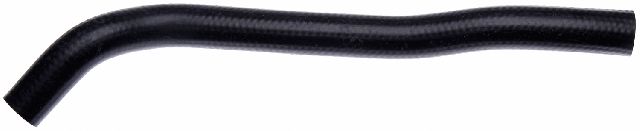
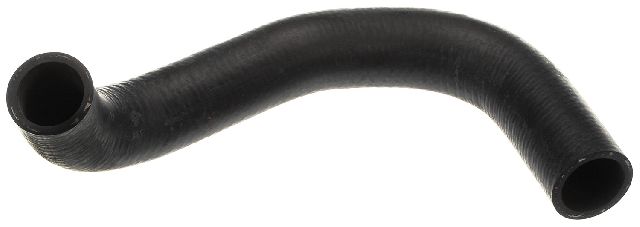
OEM Part Numbers: AJTM-15-537 (Upper Hose) L321-15-184C (Lower Hose, 2.3L) L322-15-380E (Misc. Coolant Hose)
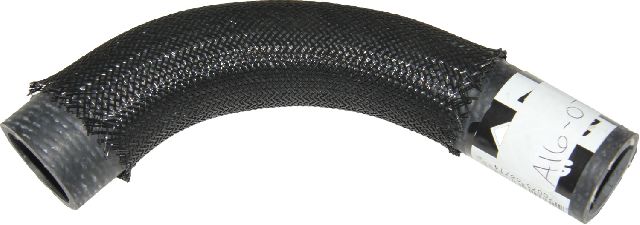
Material: EPDM Rubber. Reinforcement: Knitted Rayon/Synthetic Fiber. Temperature Range: Approx. -40°F to +257°F. Meets SAE J20R4 specifications.
We Have This Part in Stock


The information in this article is provided for general reference and educational purposes only. Vehicle specifications, procedures, and part compatibility can vary by production date, trim level, and region. Always consult your vehicle's factory service manual and verify part numbers before purchasing or performing repairs. Safety-critical components such as airbags, seat belts, and braking systems should be installed by a qualified professional.
- Mazda 6: