

A Guide to Replacing Ignition Coils on the 2003-2009 Nissan Maxima
Diagnose and fix your Maxima's engine misfires by understanding its ignition coil system.
- Hitachi is the OEM supplier; choosing this brand for an aftermarket part ensures quality and fit.
- Replacement is easy for the front three coils but difficult for the rear three, which requires removing the intake manifold.
- Always replace the three rear ignition coils as a set to avoid repeating the labor-intensive job.
- A bad ignition coil can cause expensive damage to the catalytic converter if not addressed promptly.
Is Your Maxima's Ignition Coil Failing?

A bad ignition coil on a 2003-2009 Maxima will make itself known through poor engine performance. Because each cylinder has its own coil, the failure of one means you are essentially running on only five cylinders. You will likely feel the engine shaking or vibrating, especially when stopped at a light or during acceleration.
Common Symptoms of Failure:
- Engine Misfires: The engine may sputter, shake, or run roughly. This is most noticeable at idle or under load.
- Check Engine Light: A failing coil will trigger the check engine light. A flashing light indicates a severe misfire that could damage other components. Common codes include P0300 (random misfire) or P0301 through P0306, which point to a specific cylinder (e.g., P0304 is cylinder 4).
- Loss of Power: Your Maxima will feel sluggish and slow to accelerate because it's not running on all cylinders.
- Worse Fuel Economy: With one cylinder not firing correctly, unburnt fuel is wasted, and your gas mileage will drop.
- Exhaust Changes: You might smell unburnt fuel or see black smoke from the tailpipe. In some cases, the unburnt fuel can ignite in the exhaust, causing a loud backfire.
Known Issue: Check Your Battery Cable
Nissan issued a Technical Service Bulletin (TSB NTB06-075) for 2004-2006 models. It states that a random misfire code (P0300) accompanied by blistered or melted ignition coils can be caused by a poor negative battery cable connection at the transmission. Before replacing coils, it's wise to inspect this cable connection, as it could be the root cause of the problem.
Choosing the Right Aftermarket Ignition Coil

When shopping for new ignition coils, you'll find a wide range of brands and prices. For the Maxima, quality matters, especially when replacing the hard-to-reach rear coils.
Brand Quality Tiers:
- OEM Supplier (Best Quality): Hitachi is the original equipment manufacturer (OEM) for Nissan ignition coils. Choosing a Hitachi-branded aftermarket coil is like getting the dealer part without the dealer price tag. This is the most recommended option in owner forums for reliability.
- Reputable Aftermarket (Good Quality): Brands like NGK, Denso, and Delphi have a strong reputation for producing reliable ignition components. They are considered a safe and dependable choice if Hitachi is not available.
- Budget Brands (Use with Caution): Cheaper, lesser-known brands are widely available, but owner experiences are mixed. While the low price is tempting, they have a higher reported failure rate. Using a budget coil is a risk, as a premature failure on a rear cylinder means you'll have to do the difficult installation all over again.
The Tale of Two Replacements: Front vs. Rear Coils

Replacing the ignition coils on the VQ35DE engine is a job of two very different difficulties.
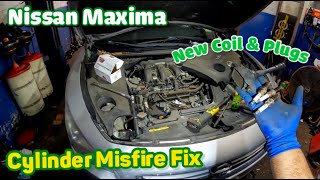
- Front Coils (Cylinders 2, 4, 6): These are located right at the front of the engine and are incredibly easy to access. The job involves removing the plastic engine cover and a single 10mm bolt for each coil. This can be done in under 30 minutes with basic tools.
- Rear Coils (Cylinders 1, 3, 5): These are buried at the back of the engine, underneath the upper intake manifold (plenum). To get to them, the entire manifold must be unbolted and moved out of the way. This is a much more involved job that can take a few hours.
Pro Tip: Replace Rear Coils as a Set
Because of the significant labor involved in accessing the rear bank of coils, it is highly recommended to replace all three rear coils (and spark plugs) at the same time. If one has failed, the others, which have the same age and wear, are likely not far behind. Replacing them all at once saves you from having to remove the intake manifold again in the near future.
Cost of Replacing Nissan Maxima Ignition Coils

| Part / Service | Estimated Cost |
|---|---|
| Single Aftermarket Ignition Coil | $35 - $90 |
| Single OEM Ignition Coil | $100 - $150 |
| Shop Labor (Front Coil) | $50 - $100 |
| Shop Labor (Rear Coil) | $200 - $400+ |
Cost estimates are for a single coil and do not include taxes or diagnostic fees. Labor costs vary by location and shop.
Frequently Asked Questions
How do I know which ignition coil is bad?
The easiest way is to use an OBD-II scanner. A code like P0301 indicates a misfire in cylinder 1, P0302 in cylinder 2, and so on. If you don't have a scanner, you can perform a "coil swap test." Swap the suspected bad coil with a known good one from another cylinder. Clear the codes and run the engine. If the misfire code moves to the new cylinder, you've confirmed the coil is faulty.
Should I replace all six coils at once?
It's a good practice, especially on a higher-mileage vehicle (over 100k miles). As mentioned, it's almost essential to replace the three rear coils as a set due to the labor involved. Since the front coils are so easy to access, you can choose to replace them individually as they fail.
Do I need to replace the spark plugs with the coils?
It is highly recommended. The spark plugs are located underneath the coils, so you're already there. A worn spark plug can put extra strain on a new ignition coil, causing it to fail prematurely. For the rear bank, you should absolutely change the plugs while the manifold is off.
Is a new intake manifold gasket necessary for replacing the rear coils?
Yes. When you remove the upper intake manifold to access the rear coils, you break the seal of the gasket. To prevent vacuum leaks, which can cause their own performance problems, you must install a new intake manifold gasket during reassembly.
Helpful Videos
Technical Specifications
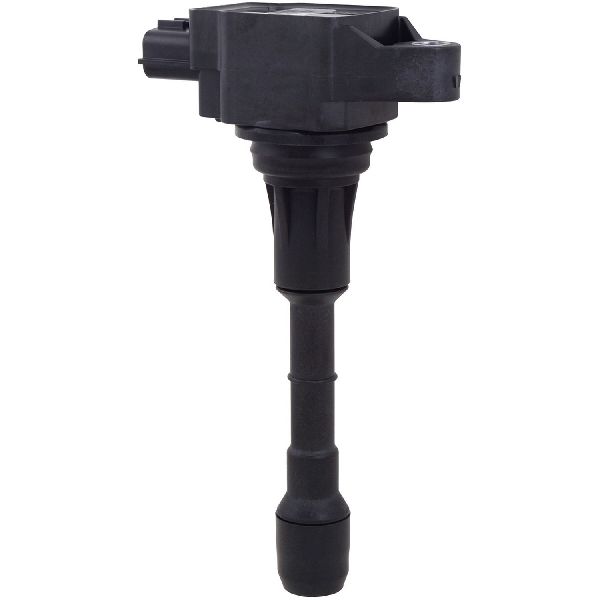
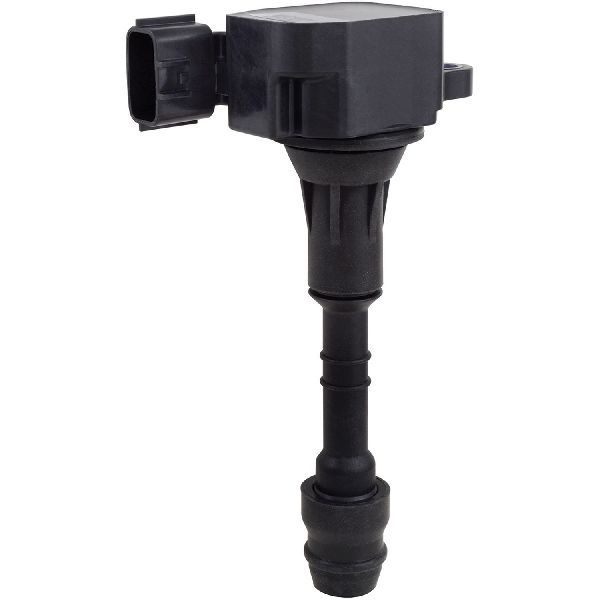
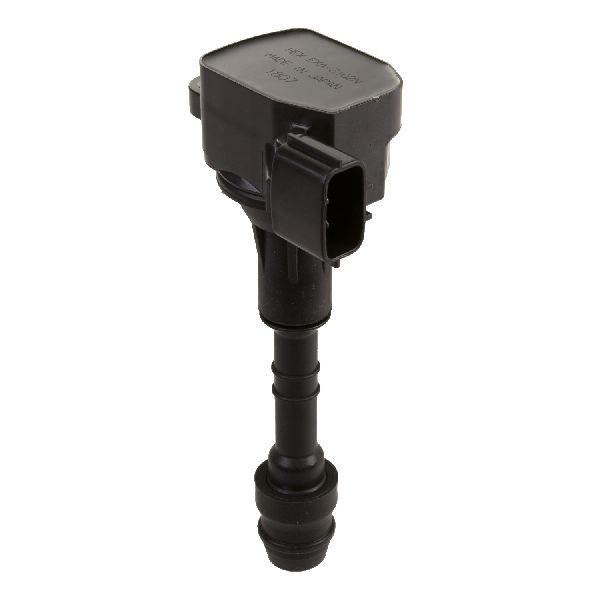
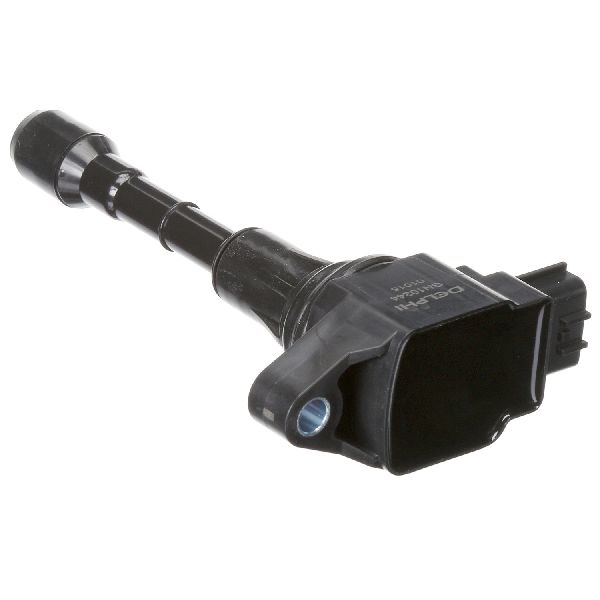
OEM Part Numbers: 22448-8J115 22448-8J11C 22448-JA10C UF349 UF550
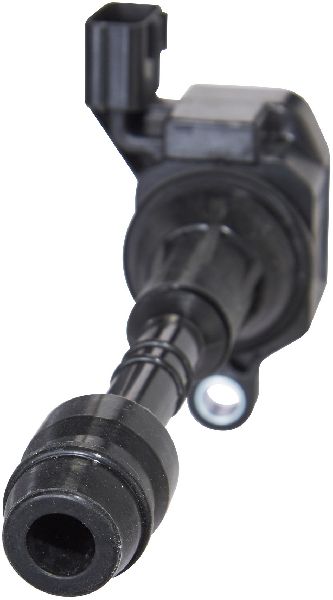
The 2003-2009 Nissan Maxima uses a V6 engine with a coil-on-plug system, requiring six individual ignition coils. The front bank (cylinders 2, 4, 6) and rear bank (cylinders 1, 3, 5) use the same coil type.
We Have This Part in Stock


The information in this article is provided for general reference and educational purposes only. Vehicle specifications, procedures, and part compatibility can vary by production date, trim level, and region. Always consult your vehicle's factory service manual and verify part numbers before purchasing or performing repairs. Safety-critical components such as airbags, seat belts, and braking systems should be installed by a qualified professional.
- Nissan Maxima:
- 🎬 Helpful Videos
- 🛍️ Shop This Part
- Is Your Maxima's Ignition Coil Failing?
- Common Symptoms of Failure:
- Known Issue: Check Your Battery Cable
- Choosing the Right Aftermarket Ignition Coil
- Brand Quality Tiers:
- The Tale of Two Replacements: Front vs. Rear Coils
- Pro Tip: Replace Rear Coils as a Set
- Cost of Replacing Nissan Maxima Ignition Coils
- Frequently Asked Questions
- 🎟️ Get 5% Off