

A Comprehensive Guide to the 2003-2009 Suzuki Swift Wheel Bearing
Hearing a grinding or humming noise from your wheels? It might be time for a new wheel bearing.
- A humming or growling noise that changes with speed is the primary symptom of a failing wheel bearing.
- This is not a simple DIY job; replacement requires a hydraulic press and should be done by a qualified mechanic.
- For this model and age, a quality aftermarket brand like WJB provides a reliable and cost-effective repair.
- Always get a wheel alignment after replacing a front wheel bearing to prevent uneven tire wear.
Symptoms of a Failing Wheel Bearing in a Suzuki Swift
A bad wheel bearing makes specific noises that get worse over time. Ignoring them can lead to more serious problems. Listen for these common signs:
- Humming or Growling Noise: The most common symptom is a humming, growling, or roaring sound that gets louder with speed. This noise may change or disappear when you turn the steering wheel. For example, if you turn right and the noise gets louder, the problem is likely a bearing on the left side of the car, which is now carrying more weight. 🎬 Watch: Hear exactly what a failing wheel bearing sounds like.
- Clicking or Scraping: You might hear a clicking or scraping sound when turning or at low speeds. This can indicate the bearing is loose or has been damaged.
- Vibration: A worn-out wheel bearing can cause a vibration you feel in the steering wheel. This vibration will typically change with the speed of the vehicle.
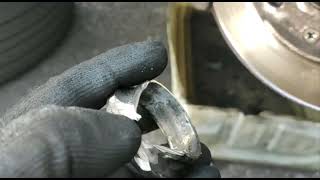
- Loose or Wobbly Wheel: In serious cases, the bearing can become so worn that the wheel feels loose. You can check for this by jacking the car up and trying to wiggle the tire from top to bottom. Any play or movement is a sign of a critical failure. 🎬 See how to check for wheel play and ABS issues.
- ABS Warning Light: On models equipped with an Anti-lock Braking System (ABS), the wheel speed sensor is often integrated with or mounted near the wheel bearing. A failing bearing can damage the sensor or disrupt its signal, causing the ABS light to turn on.
Immediate Attention Required
A completely failed wheel bearing can cause the wheel to seize up or even detach from the vehicle while driving. Do not ignore the symptoms of a bad wheel bearing.
Choosing the Right Aftermarket Wheel Bearing
When replacing a wheel bearing on your Swift, you have a choice between OEM (Original Equipment Manufacturer) and aftermarket parts. For a vehicle in the 2003-2009 age range, a quality aftermarket part offers a great balance of performance and value.
OEM vs. Aftermarket
OEM bearings, often made by brands like Koyo for Suzuki, are a direct replacement for what was installed at the factory. They guarantee a perfect fit but come at a higher cost. Aftermarket parts are made by other companies to fit your vehicle. The quality can vary, but reputable aftermarket brands provide reliable performance for daily driving at a much lower price.
Brand Spotlight: WJB
WJB is a well-regarded aftermarket brand known for providing affordable and reliable wheel bearings. While not a premium performance brand like SKF or Timken, WJB parts are a solid choice for budget-conscious owners who need to get their Swift back on the road safely. Mechanics and DIYers report that WJB bearings offer good durability and fit for the price, making them a dependable option for everyday use.
Pro Tip: Replace in Pairs
If one wheel bearing has failed due to age and mileage, the bearing on the other side of the same axle is likely not far behind. It's often a good idea to replace them in pairs (both fronts or both rears) to save on future labor costs and ensure even performance.
| Part Type | Estimated Cost (Part Only) |
|---|---|
| New OEM | $40 - $70 per bearing |
| New Aftermarket (WJB) | $22.47 per bearing |
| Shop Labor | $150 - $300 per bearing |
Note: Costs are estimates and can vary based on your location and specific repair shop. Labor costs are higher because this job requires a hydraulic press.
Frequently Asked Questions
Is replacing a Suzuki Swift wheel bearing a DIY job?
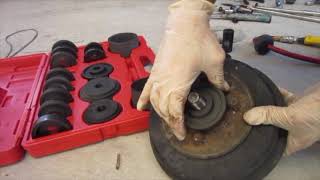
This is an advanced DIY task. The wheel bearing must be pressed out of the steering knuckle (front) or brake drum (rear) and the new one pressed in using a hydraulic shop press. Without access to a press and the proper tools, it is very difficult to do correctly and you risk damaging the new bearing or the hub. For most owners, this job is best left to a professional mechanic.
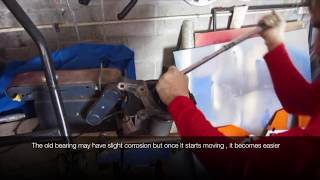
🎬 Watch this walkthrough of the front wheel bearing replacement process.Were there any recalls for the 2003-2009 Swift wheel bearing?
No. Searches of the National Highway Traffic Safety Administration (NHTSA) database did not find any recalls or technical service bulletins (TSBs) specifically related to wheel bearing failure for the 2003-2009 Suzuki Swift.
What is the difference between a wheel bearing and a hub assembly?
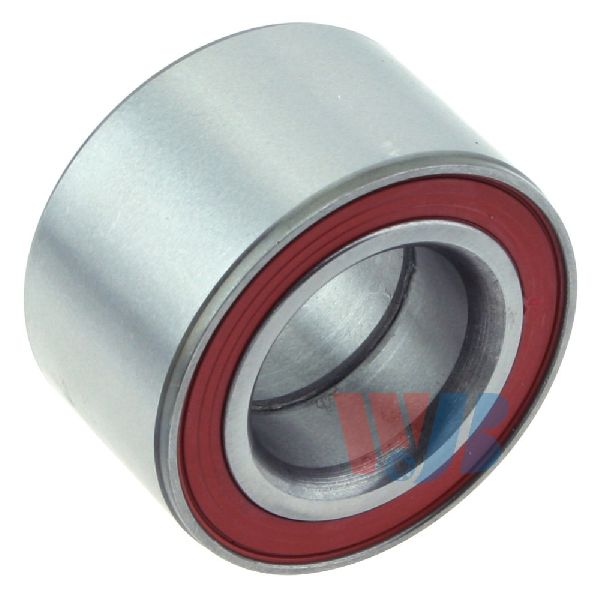
The wheel bearing is the component that allows for rotation. On the 2003-2009 Swift, this is typically a press-in cartridge bearing. The wheel hub is the flange that the wheel bolts to. For this vehicle, you replace the bearing itself, which is pressed into the steering knuckle or hub. Some other vehicles use a complete bolt-on hub assembly where the bearing is not serviced separately.
Do I need a wheel alignment after replacing a wheel bearing?
Yes, it is highly recommended. To replace the front wheel bearing, major suspension components like the steering knuckle must be removed. After reassembly, a wheel alignment is necessary to ensure the suspension geometry is correct. This will prevent premature tire wear and ensure the vehicle handles properly.
Helpful Videos
Technical Specifications
OEM Part Numbers: 43440-84F00 43440-54G01 43440-58J00 43440M55K00
This vehicle uses a press-in style cartridge bearing for the front wheels. The rear wheels also use a press-in bearing, which is seated in the brake drum on many models.
We Have This Part in Stock

The information in this article is provided for general reference and educational purposes only. Vehicle specifications, procedures, and part compatibility can vary by production date, trim level, and region. Always consult your vehicle's factory service manual and verify part numbers before purchasing or performing repairs. Safety-critical components such as airbags, seat belts, and braking systems should be installed by a qualified professional.
- Suzuki Swift: