

Fixing A/C Leaks in Your 2003-2010 Audi RS6: The O-Ring and Gasket Kit
If your high-performance RS6 has weak A/C, these tiny seals are the most likely cause of the problem.
- A slow refrigerant leak from a failed o-ring is the most common cause of poor A/C performance in the Audi RS6.
- This is not a DIY job. Replacing the seals requires professional equipment to evacuate and recharge the refrigerant legally and correctly.
- Quality aftermarket kits from brands like Four Seasons are a cost-effective alternative to OEM seals, as they use the same required HNBR material.
- Always replace all o-rings and seals anytime the A/C system is opened to prevent future leaks and save on labor costs.
Is Your RS6 A/C Blowing Warm Air?
When the air conditioning in a high-performance car like the Audi RS6 starts to weaken, many owners fear a costly compressor failure. However, the most common reason for poor A/C performance is a simple refrigerant leak. Over time, the rubber o-rings throughout the system can dry out, crack, and fail, allowing refrigerant to escape. Ignoring a small leak can eventually lead to more expensive damage to the A/C compressor.
Symptoms of a Failing A/C O-Ring
- Weak A/C Performance: The air from the vents is cool, but not cold, and gets worse over time.
- A/C Blows Warm Air: The system has lost too much refrigerant to cool the air at all.
- Oily Residue at Connections: Refrigerant oil escapes with the gas, leaving a greasy, dirt-collecting film on A/C lines and components, especially near the compressor.
- Hissing Sound: In some cases, a hissing noise may be heard from the engine bay as the refrigerant gas escapes.
Choosing the Right Aftermarket O-Ring Kit
When you open the A/C system for any repair, you must replace the o-rings and seals. While you can buy seals from an Audi dealer, a quality aftermarket kit is a reliable and cost-effective alternative. The key is to ensure the kit uses the correct material.
OEM vs. Aftermarket Quality
For a part like this, there is little difference between OEM and a quality aftermarket brand. Both use HNBR (Hydrogenated Nitrile Butadiene Rubber) o-rings, which are designed to withstand the chemicals and pressures in a modern R134a A/C system. Aftermarket kits from established brands offer the same performance as OEM seals for a fraction of the price.
Available Aftermarket Brands
For the 2003-2010 Audi RS6, two common aftermarket brands are Four Seasons and Global Parts Distributors (GPD).
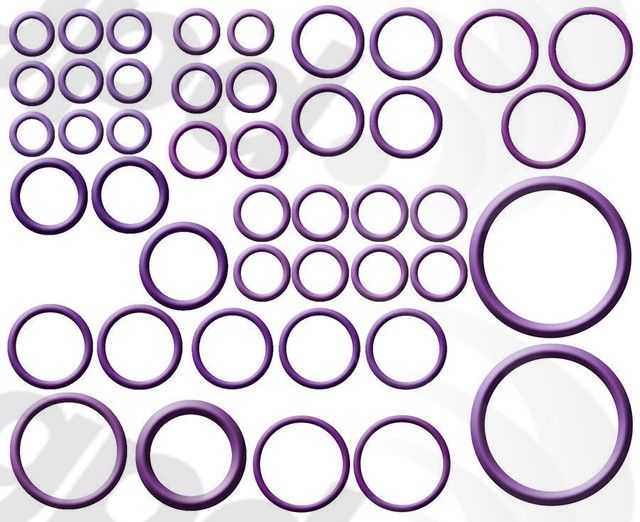
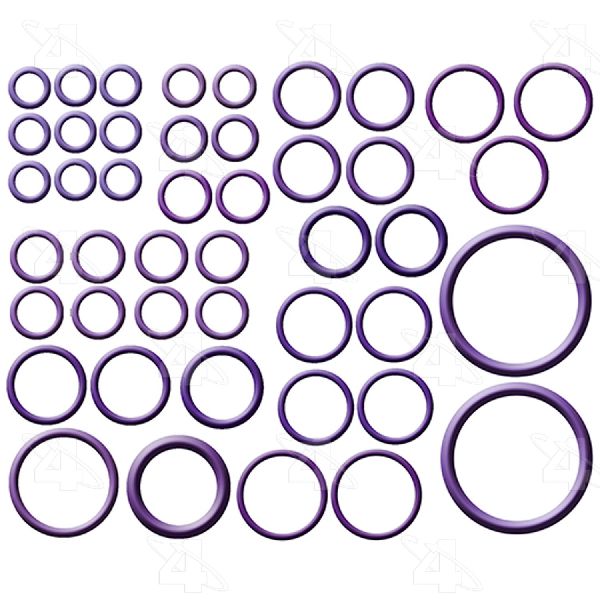
- Four Seasons: A well-known and trusted brand in the A/C parts industry. Their kits contain all the necessary seals, typically made of green or purple HNBR material, ensuring compatibility with R134a refrigerant and PAG oil.
- Global Parts Distributors (GPD): GPD offers OE-style replacement kits that are application-specific. They provide a complete sealing solution when servicing your A/C system and are a solid budget-friendly option.
A Note on Vehicle Generations
The 2003-2010 year range covers two different RS6 generations: the C5 (2003-2004) and the C6 (2008-2010). While many A/C components are similar, always confirm that the specific kit you are purchasing is listed as compatible with your exact model year to avoid issues.
Known Issues & Service Bulletins
No recalls have been issued by the NHTSA specifically for the A/C system o-rings on the Audi RS6. However, Audi has issued Technical Service Bulletins (TSBs) for other A6-platform vehicles of this era that point to common leak points. A known issue is a leaking A/C pressure sensor (G395), which has its own seals that can fail. Another potential, though less common, leak source is the A/C evaporator, which is a major repair. When diagnosing a leak, these areas should be checked in addition to the standard line connections.
Cost to Replace A/C O-Rings on an Audi RS6
| Item | Estimated Cost |
|---|---|
| New Aftermarket Kit | $27 - $40 |
| New OEM Kit | $80 - $150 |
| Shop Labor (Evac & Recharge) | $250 - $500 |
Frequently Asked Questions (FAQ)
Do I have to replace all the o-rings at once?
Yes. The A/C system must be professionally evacuated to replace even one seal. Since all the seals are the same age, it is best practice to replace all of them at the same time to prevent another leak from happening shortly after the repair.
Can I replace A/C o-rings myself?
This is not a recommended DIY job. It requires specialized, expensive equipment to safely and legally recover the refrigerant, pull a vacuum to remove moisture, and recharge the system to the exact specification. Attempting this without the right tools will result in a poorly performing A/C system and can be dangerous.
What kind of refrigerant does my 2003-2010 RS6 use?
All vehicles in this year range use R134a refrigerant.
Should I use an A/C stop-leak additive?
No. It is strongly recommended to avoid A/C stop-leak products. They can clog critical and expensive components like the expansion valve, condenser, and evaporator, leading to much more costly repairs in the future.
Technical Specifications
Kits must contain HNBR (Hydrogenated Nitrile Butadiene Rubber) o-rings. This material is specifically designed for compatibility with R134a refrigerant and the PAG (Polyalkylene Glycol) oil used in the system.
We Have This Part in Stock

The information in this article is provided for general reference and educational purposes only. Vehicle specifications, procedures, and part compatibility can vary by production date, trim level, and region. Always consult your vehicle's factory service manual and verify part numbers before purchasing or performing repairs. Safety-critical components such as airbags, seat belts, and braking systems should be installed by a qualified professional.
- Audi RS6:
- 🛍️ Shop This Part
- Is Your RS6 A/C Blowing Warm Air?
- Symptoms of a Failing A/C O-Ring
- Choosing the Right Aftermarket O-Ring Kit
- OEM vs. Aftermarket Quality
- Available Aftermarket Brands
- A Note on Vehicle Generations
- Known Issues & Service Bulletins
- Cost to Replace A/C O-Rings on an Audi RS6
- Frequently Asked Questions (FAQ)
- 🎟️ Get 5% Off