

Cadillac CTS Ignition Coil Guide for 2003-2010 Models
Fix your CTS engine misfires and poor performance by understanding and choosing the right ignition coil.
- A flashing check engine light indicates a severe misfire that can damage your catalytic converter; stop driving immediately.
- For best reliability, choose OEM (ACDelco) or premium aftermarket brands like Delphi, which was often the original part manufacturer.
- It is highly recommended to replace all coils at the same time, especially if they are original and have high mileage.
- Check for oil leaks from the valve cover gasket into the spark plug wells, as this is a common cause of coil failure and must be fixed.
Is Your CTS Running Rough? It Could Be an Ignition Coil.
A failing ignition coil is a common issue on the first-generation Cadillac CTS. When a coil goes bad, the cylinder it's responsible for can't fire properly. This leads to noticeable engine problems that you shouldn't ignore. The most common sign is a rough, shaky idle and a Check Engine Light.
Symptoms of a Bad Ignition Coil in a 2003-2010 CTS
Watch for these specific signs of ignition coil failure:
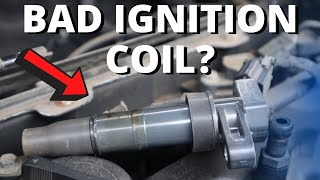
🎬 Watch this video to see common symptoms of a bad coil.- Check Engine Light: This is the most obvious sign. The light may be solid or, more seriously, flashing. A flashing light indicates a severe misfire that can quickly damage your expensive catalytic converters. You should stop driving if the light is flashing.
- Engine Misfires: Your engine will feel like it's stumbling, shaking, or hesitating, especially when you accelerate or when it's idling at a stoplight.
- Rough Idle: The car may vibrate or shake noticeably when it's in Park or stopped in Drive.
- Reduced Power: Your CTS will feel sluggish and slow to accelerate because the engine is not running on all cylinders.
- Worse Fuel Economy: An engine that misfires is inefficient, causing you to use more gas than usual.
- Trouble Starting: In some cases, a weak or completely failed coil can make the engine difficult to start.
Choosing the Right Aftermarket Ignition Coil
Not all aftermarket coils are created equal. For a performance vehicle like the CTS, choosing a quality part is important for reliability. Here’s a breakdown of your options:
Brand Quality Tiers
| Tier | Brands | Honest Assessment |
|---|---|---|
| OEM & Premium Aftermarket | ACDelco, Delphi | ACDelco is the original GM parts brand. Delphi was often the original manufacturer for GM electrical parts, so their quality is considered equivalent to OEM. For maximum reliability and peace of mind, these are the best choices. Owner forums consistently recommend sticking with these brands. |
| Reputable Aftermarket | NGK, Bosch, Hitachi, Standard Ignition (SMP) | These brands have a strong reputation for producing quality ignition components. They are excellent alternatives to OEM and are often trusted by professional mechanics. They provide a great balance of price and performance. |
| Economy/Value Brands | DriveWire, True Tech, various unbranded online options | These coils are the most affordable, but their quality and longevity can be a gamble. While they might work fine initially, they have a higher risk of premature failure compared to premium brands. This can lead to repeated repairs and frustration. Consider these only if budget is the absolute primary concern. | 🎬 Learn which aftermarket ignition coil brands you should avoid.
Known Issues, Recalls, and Bulletins
Ignition Switch Recall (Not Coil): It's important to note there was a major recall (NHTSA #14V394000) for the 2003-2014 CTS related to the ignition switch, not the ignition coils. The recall addressed the risk of the key moving out of the 'run' position, which could shut off the engine and disable airbags. This is a separate issue from the electronic ignition coils discussed in this article.
Technical Service Bulletin (TSB): GM issued a TSB for some 2008-2009 CTS models with the 3.6L LLT engine regarding misfires. The bulletin suggests that a poor ground connection for the ignition coils could cause issues and recommends cleaning the ground points (G130 and G131 on the CTS) and torquing the bolts properly. This is a good step to check before replacing multiple coils.
A Note on Valve Cover Gasket Leaks
On V6 engines, a common cause of ignition coil failure is oil leaking from the valve cover gaskets into the spark plug tubes. The oil soaks the coil boot, causing it to degrade and eventually short out the coil. If you find oil on the coil or spark plug when you remove it, you must replace the valve cover gasket to prevent the new coil from failing as well.
Frequently Asked Questions (FAQ)
Should I replace all ignition coils at once?
It is highly recommended. Ignition coils are exposed to the same heat and wear over time. If one has failed, others are likely not far behind. Replacing them all at once saves you from repeated repairs and ensures balanced engine performance. It is especially recommended if the vehicle has over 80,000 miles on the original coils.
How do I know which coil is bad?
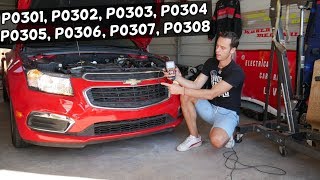
A Check Engine Light will store a Diagnostic Trouble Code (DTC). An OBD-II scanner can read this code. A code of P0300 indicates a random misfire, but more specific codes like P0301 (Cylinder 1), P0302 (Cylinder 2), etc., will point you to the exact cylinder with the problem. You can then swap the suspected bad coil with a known good one from another cylinder. If the misfire code follows the coil to the new cylinder, you've confirmed the coil is faulty.
Can a bad ignition coil damage my engine?
Yes. Driving with a misfiring coil dumps unburned fuel into the exhaust system. This can overheat and destroy your catalytic converter, a very expensive and critical emissions component. If your Check Engine Light is flashing, you should pull over and not drive the vehicle to prevent this damage.
Is replacing a CTS ignition coil a DIY job?
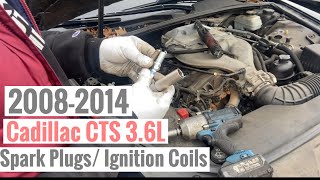
Yes, for most owners with basic tools. On all 2003-2010 CTS engines (2.8L, 3.2L, 3.6L), the coils are located on top of the engine. On V6 models, the coils on one side of the engine are easily accessible, while the coils on the other side may require removing the upper intake manifold (plenum) for access, which is a more involved job. However, many videos show it's possible to access even the harder ones by loosening and lifting the manifold without full removal.
🎬 Follow this step-by-step guide to replace your coils and plugs.Helpful Videos

Technical Specifications
OEM Part Numbers: 12566569 12632479 12611424 90584336
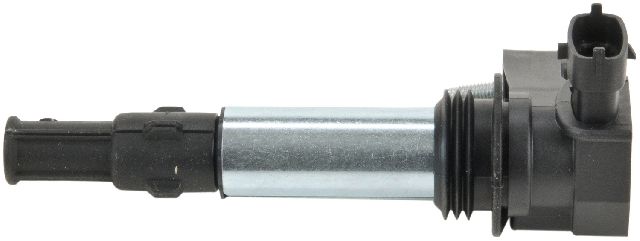
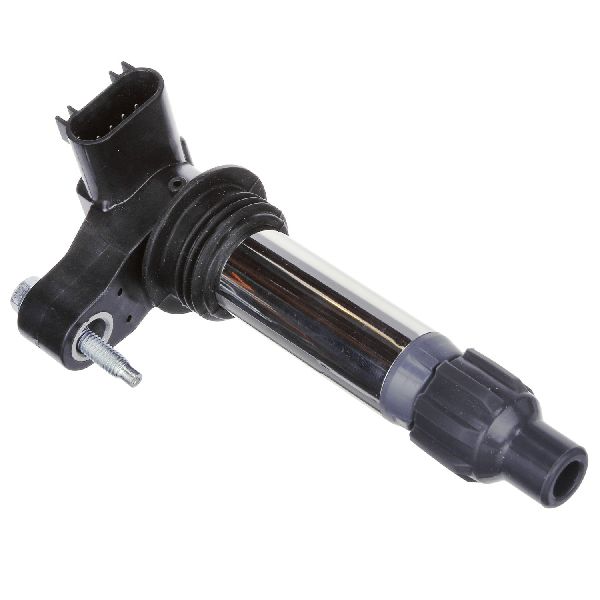
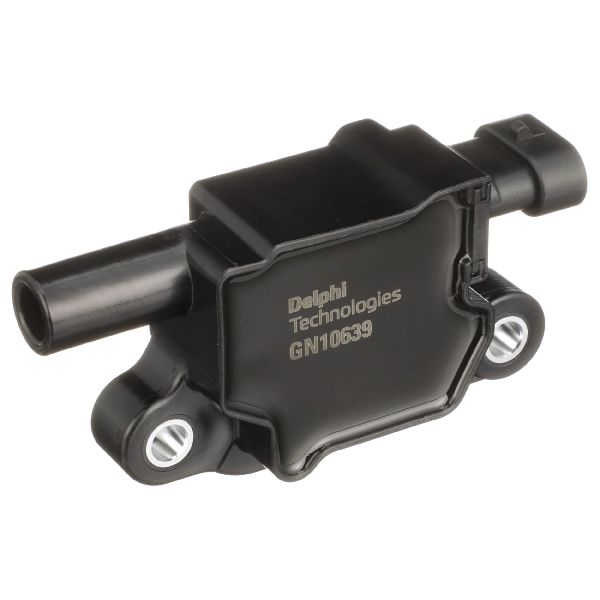
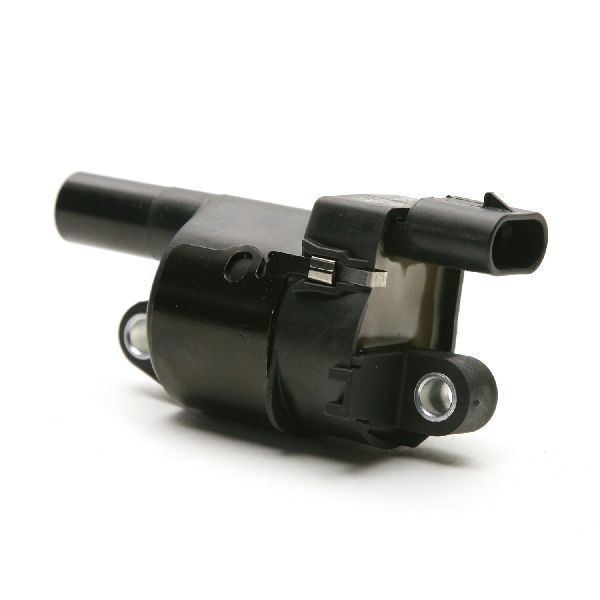
This vehicle uses a Coil-on-Plug (COP) ignition system. Each cylinder has its own individual ignition coil. Torque specification for the coil retaining bolt is typically 89 lb-in (10 Nm).
We Have This Part in Stock


The information in this article is provided for general reference and educational purposes only. Vehicle specifications, procedures, and part compatibility can vary by production date, trim level, and region. Always consult your vehicle's factory service manual and verify part numbers before purchasing or performing repairs. Safety-critical components such as airbags, seat belts, and braking systems should be installed by a qualified professional.
- Cadillac CTS:
- 🎬 Helpful Videos
- 🛍️ Shop This Part
- Is Your CTS Running Rough? It Could Be an Ignition Coil.
- Symptoms of a Bad Ignition Coil in a 2003-2010 CTS
- Choosing the Right Aftermarket Ignition Coil
- Brand Quality Tiers
- Known Issues, Recalls, and Bulletins
- A Note on Valve Cover Gasket Leaks
- Frequently Asked Questions (FAQ)
- 🎟️ Get 5% Off