

Engine Oil Pressure Switch Guide for 2003-2010 Dodge Ram 2500
Seeing your oil pressure gauge drop to zero or flicker? Here's what you need to know before you replace the sensor.
- A gauge that drops to zero at idle is the classic sign of a bad sensor, not necessarily low oil pressure.
- Always check your oil level first before assuming the sensor is bad.
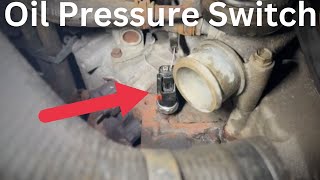
- For Hemi engines, the sensor is an easy replacement located above the oil filter; for Cummins engines, access is more difficult.
- Many owners recommend using an OEM Mopar part for best reliability, but quality aftermarket brands like Standard Ignition are a viable option.
Is it a Bad Sensor or a Bigger Problem?
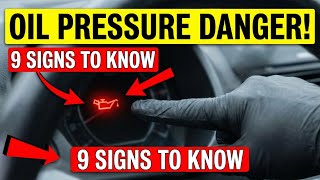
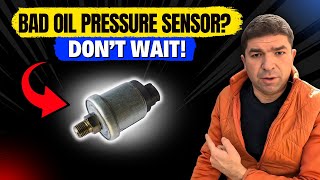
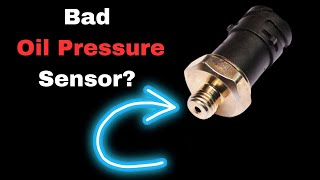
The most common failure for the oil pressure switch on the 2003-2010 Ram 2500 is the sensor itself, not a lack of actual oil pressure. Symptoms often include the oil pressure gauge reading zero at idle, especially when the engine is warm, and then jumping back to a normal reading when you accelerate. You might also see the gauge flicker, read erratically, or get stuck at the maximum reading. 🎬 Watch: 5 telltale signs of a bad oil pressure sensor. In many cases, a Check Engine Light will come on with codes like P0520, P0521, P0522, P0523, or P0524.
Before you panic, the first step is always to check your engine oil level. If the level is correct, the sensor is the most likely culprit. A faulty sensor can also leak oil, so look for greasy residue on the sensor itself or drips under the truck.
Always Verify First
While a bad sensor is common, a low oil pressure warning can also signal a serious internal engine problem. If you hear any new knocking, ticking, or grinding noises from the engine, turn it off immediately and do not drive it. It's wise to confirm the actual oil pressure with a mechanical gauge before assuming it's just a faulty sensor.
Choosing the Right Aftermarket Oil Pressure Switch
For many sensors on modern trucks, sticking with the OEM (Original Equipment Manufacturer) part is recommended. Forum users frequently advise using a Mopar sensor for this repair, as some aftermarket sensors can be unreliable or fail prematurely. However, if you opt for an aftermarket part, quality varies. Here’s a breakdown of what to expect:
Brand Quality Tiers
- Premium Aftermarket (Standard Ignition, Walker Products): Brands like Standard Ignition (SMP) and Walker Products are often considered higher-quality aftermarket choices. They focus on meeting OE specifications for fit and function and perform extensive testing. They are generally a reliable alternative to OEM parts.
- Standard Replacement (Crown Automotive, Holstein, Rostra): These brands offer a cost-effective solution. They are designed to be direct replacements but may not have the same long-term durability or precise calibration as premium or OEM parts. They can be a good option for a budget-conscious repair.
- Value-Priced (Global Parts, True Tech): These brands typically represent the lowest-cost options. While functional, their long-term reliability can be a gamble. For a critical sensor like this, it may be worth spending a little more for a part with a better reputation.
Pro Tip: Check the Connector
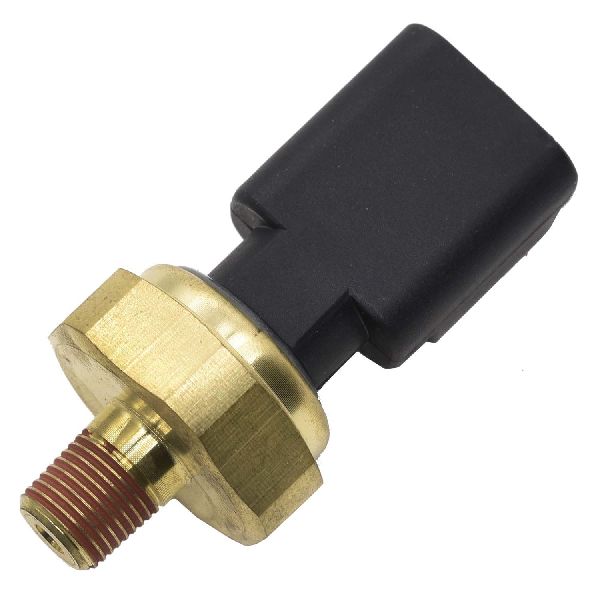
Before purchasing, verify the number of electrical pins on your truck's current sensor. Some replacement parts may look identical but have a different pin configuration (e.g., one prong vs. three prongs), making them incompatible. This can save you a trip back to the parts store.
Known Issues, Recalls, and TSBs
While no direct safety recalls exist for the oil pressure switch on the 2003-2010 Dodge Ram 2500, Chrysler has issued Technical Service Bulletins (TSBs) for related issues. TSB 18-034-14, for example, addresses the P0520 code on 2013-2014 models (including the Ram 2500) and involves replacing the sensor with a revised part. Another TSB, 08-22-99, described symptoms of the gauge dropping to zero at idle on older models, which required a PCM software update. Using the wrong viscosity oil can also sometimes trigger oil pressure codes.
| Part Type | Estimated Cost |
|---|---|
| New OEM (Mopar) | $50 - $100 |
| New Aftermarket | $12.92 - $90.01 |
| Shop Labor | $80 - $150 |
Frequently Asked Questions
Where is the oil pressure switch located?
On 5.7L Hemi engines, the sensor is located on the front of the engine block, just above the oil filter. On 5.9L and 6.7L Cummins diesel engines, the location is more difficult to access, typically on the driver's side of the engine block, below the fuel injection pump.
🎬 See this video for 5.9L Cummins sensor location and tips.Is this a difficult part to replace myself?
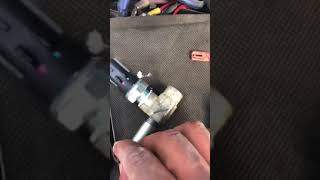
For Hemi owners, this is a relatively easy DIY job that takes less than an hour. 🎬 Watch this step-by-step guide to replacing the oil pressure switch. For Cummins owners, the location makes it more challenging. The primary tool needed is a special deep socket for oil pressure switches (usually 1 1/16 inch). Be careful not to overtighten the new sensor, as it can break off in the engine block.
Is it a 'switch' or a 'sensor'?
The terms are used interchangeably. For the 5.9L Cummins, it acts as a simple on/off switch. For the 5.7L Hemi and 6.7L Cummins, it is a variable pressure transducer (sensor) that provides a range of readings to the computer, even if the dashboard gauge appears simplified.
My gauge reads normal, but the Check Engine Light is on for a sensor code. Should I replace it?
Yes. A code like P0520 or P0524 means the truck's computer has detected a fault in the sensor's circuit or an out-of-range reading. Even if the gauge seems to work sometimes, the sensor is failing and should be replaced to ensure the warning system will work when you actually need it.
Helpful Videos

Technical Specifications
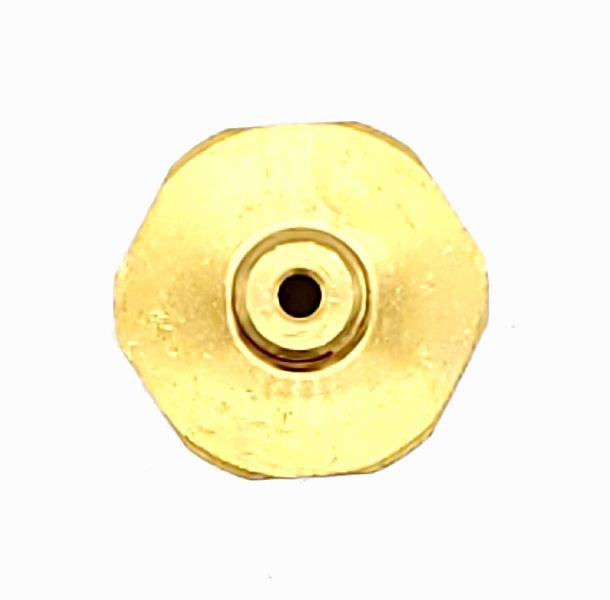
OEM Part Numbers: 5149062AA 68060337AA 05149062AB
Location varies by engine. On the 5.7L Hemi, it is located above the oil filter. On Cummins engines, it is on the driver's side of the block. A 1 1/16" oil pressure switch socket is typically required for removal and installation.
We Have This Part in Stock


The information in this article is provided for general reference and educational purposes only. Vehicle specifications, procedures, and part compatibility can vary by production date, trim level, and region. Always consult your vehicle's factory service manual and verify part numbers before purchasing or performing repairs. Safety-critical components such as airbags, seat belts, and braking systems should be installed by a qualified professional.
- Dodge Ram 2500: