

Ford Explorer Radiator Guide: 2003-2010 Models
Everything you need to know about replacing the radiator in your V6 or V8 Ford Explorer.
- The most common radiator failure on 2003-2010 Explorers is cracking of the plastic side tanks.
- While replacing the radiator, it is highly recommended to also replace the radiator hoses and thermostat.
- Premium aftermarket brands like Spectra, CSF, and Denso offer a quality alternative to the more expensive OEM Motorcraft part.
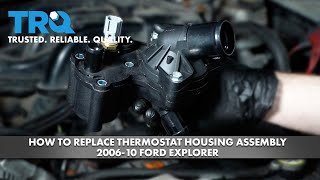
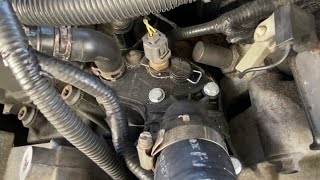
- For 4.0L V6 models, inspect the plastic thermostat housing for leaks, as it is another very common failure point.
Is Your Explorer's Radiator Failing?
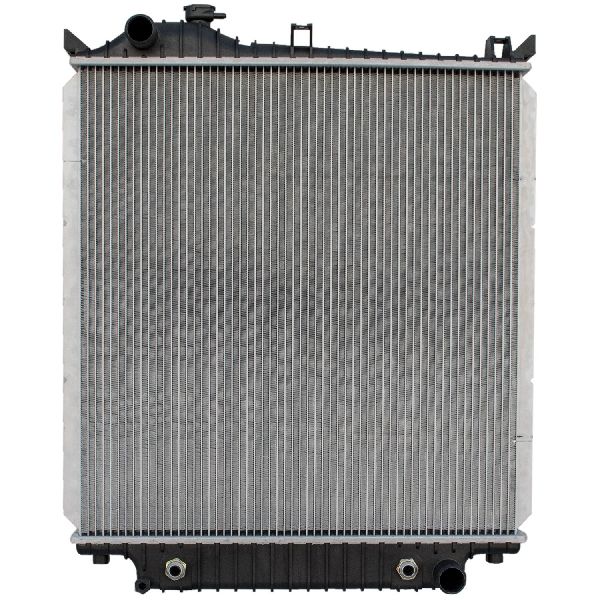
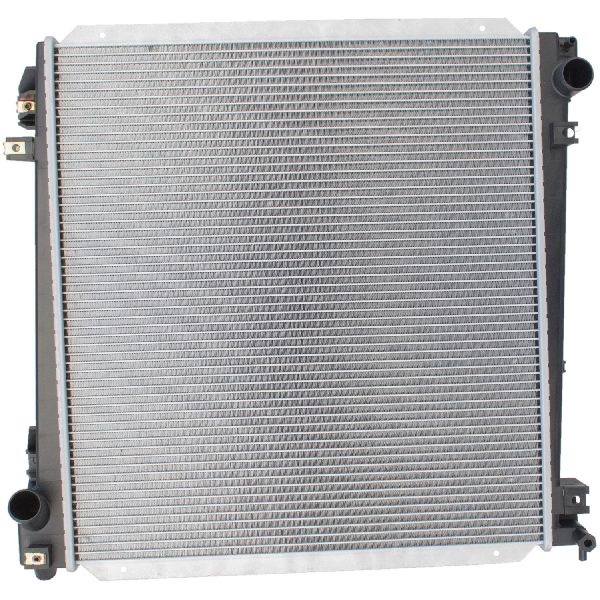
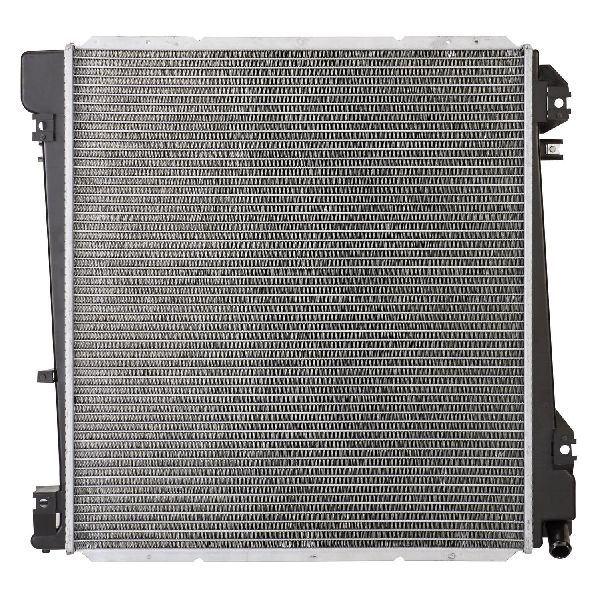
The original radiators on 2003-2010 Ford Explorers use a common design with a metal core and plastic tanks on the sides. Over time, these plastic tanks can become brittle and crack, or the seals where the plastic meets the metal can start to leak. This is a frequent failure point on these trucks. Here are the main symptoms to watch for:
- Engine Overheating: The most obvious sign. If your temperature gauge is climbing into the red, your radiator may not be cooling effectively.
- Coolant Leaks: Finding puddles of bright green or orange fluid under the front of your Explorer is a sure sign of a leak. The leak often comes from cracks in the plastic side tanks.
- Low Coolant Light: If you constantly have to add coolant to the overflow tank, it's leaking from somewhere.
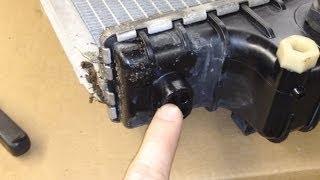
- Visible Residue: Look for white, crusty stains or wet spots on the radiator itself, especially around the seams where the plastic tanks are crimped to the aluminum core. 🎬 Watch: Where these radiators typically leak and how to spot it.
- Sludgy Coolant: If the coolant in your reservoir looks rusty or thick like sludge, it can clog the radiator and cause overheating.
Known Issues: Plastic Components
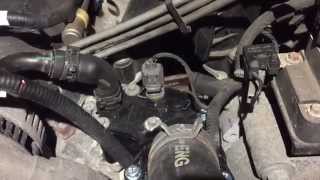
The most common failure on this generation of Explorer is not the radiator core itself, but the plastic components attached to it. The plastic side tanks are known to crack with age and heat cycles. Similarly, the thermostat housing on the 4.0L V6 engine is also made of plastic and is a very common source of coolant leaks. 🎬 See how to replace a leaking plastic thermostat housing assembly. If you have a coolant leak, it's important to identify the exact source before ordering parts.
Choosing the Right Aftermarket Radiator
When replacing your radiator, you have several options. While the Ford (Motorcraft) part is available, many aftermarket brands offer excellent quality, often at a better price. Here’s a breakdown of the brands available:
- OEM (Motorcraft): This is the original part your Explorer came with. It's a reliable choice, but often the most expensive. The original design is prone to plastic tank failure over many years.
- Premium Aftermarket (CSF, Denso, Spectra): Brands like CSF, Denso, and Spectra are well-regarded in the industry. They often supply original parts to car manufacturers and their aftermarket products are built to meet or exceed OEM specifications. Forum users and technicians frequently recommend Spectra as a reliable alternative to OEM.
- Standard Aftermarket (APDI, Global Parts, One Stop Solutions, Onix): These brands provide a budget-friendly solution. They are designed to be a direct fit and will get your truck back on the road, though they may not have the same long-term durability reputation as premium brands.
Pro Tip: Replace Hoses and Thermostat
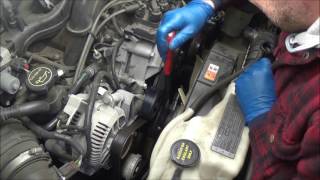
While you have the cooling system drained and the radiator out, it's the perfect time to replace your upper and lower radiator hoses, hose clamps, and the thermostat. These parts are inexpensive and wear out over time. Replacing them all at once can save you from another repair down the road.
Radiator Replacement Cost for 2003-2010 Ford Explorer
The cost can vary depending on the parts you choose and whether you do the work yourself. The job is manageable for a DIYer with basic tools.
🎬 Follow this step-by-step guide to replace the radiator yourself.| Part/Service | Estimated Cost |
|---|---|
| New Aftermarket Radiator | $56 - $250 |
| New OEM (Motorcraft) Radiator | $250 - $495 |
| Shop Labor | $506 - $742 |
| Total Professional Replacement | $562 - $1237+ |
Frequently Asked Questions
Do the V6 and V8 engines use the same radiator?
For the 2006-2010 model years, the 4.0L V6 and 4.6L V8 engines typically use the same radiator. However, for 2002-2005 models, there can be differences. Always verify the exact fitment for your specific year and engine before ordering.
Were there any recalls for the radiator?
No, there have been no specific recalls issued by Ford or the NHTSA for radiator failure on the 2003-2010 Ford Explorer. However, there was a recall for some Explorer models related to the engine cylinder head, which could cause overheating and oil leaks.
What is the transmission cooler and is it included?
The transmission cooler is a small, separate radiator that cools your automatic transmission fluid. On the Ford Explorer, this cooler is integrated into the main engine radiator. All direct-fit replacement radiators for automatic transmission models will include this feature.
Should I get an all-aluminum radiator?
Some aftermarket companies offer all-aluminum radiators that eliminate the failure-prone plastic side tanks. While these can be more durable, they are often more expensive. For most daily driving situations, a quality OEM-style radiator with plastic tanks is sufficient and designed to last for many years.
Helpful Videos
Technical Specifications
OEM Part Numbers: 4L2Z8005HA 6L2Z8005A 7L2Z8005A AL2Z8005A
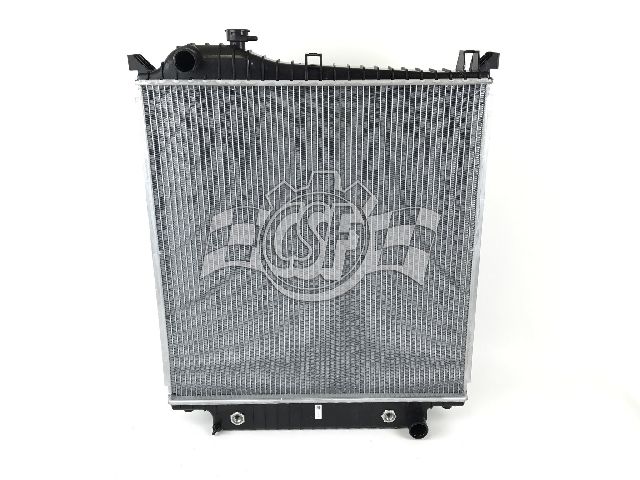
Construction: Aluminum core with plastic tanks. Core design is typically a 1-row, cross-flow style. Includes an integrated automatic transmission fluid cooler. Inlet and outlet diameters are typically 1.5 inches.
We Have This Part in Stock


The information in this article is provided for general reference and educational purposes only. Vehicle specifications, procedures, and part compatibility can vary by production date, trim level, and region. Always consult your vehicle's factory service manual and verify part numbers before purchasing or performing repairs. Safety-critical components such as airbags, seat belts, and braking systems should be installed by a qualified professional.
- Ford Explorer: