

Ford Lobo Throttle Position Sensor Guide for 2003-2010 Models
Experiencing stalling, a 'wrench light', or poor acceleration in your Ford Lobo? This guide is for you.
- For 2004-2010 models, you can replace just the aftermarket sensor instead of the entire expensive Ford throttle body assembly.
- The most common failure symptoms are sudden 'limp mode' with a wrench light, poor acceleration, and erratic shifting.
- Use a soldering iron to heat the mounting screws before removal to avoid breaking them.
- A 'relearn' procedure is required after installation to ensure the truck runs properly with the new sensor.
Is it the Sensor or the Whole Throttle Body?
A key thing to know about the 2003-2010 Ford Lobo (and its F-150 counterpart) is how the throttle system is designed. This period covers different generations, leading to a major difference in this part.
- 2003 Models (and 2004 'Heritage'): These trucks typically use a mechanical throttle cable. The TPS is a simple, separate sensor that can be easily unbolted from the throttle body and replaced on its own.
- 2004-2010 Models: These trucks have a modern 'drive-by-wire' or Electronic Throttle Body (ETB) system. From the factory, Ford often recommended replacing the entire expensive throttle body assembly if the sensor failed. However, the good news for owners is that many aftermarket brands now offer the TPS as a standalone part, which is a much more affordable and common repair. This allows you to replace just the sensor instead of the whole unit.
Choosing the Right Aftermarket TPS
When replacing your TPS, you have a few levels of aftermarket quality to choose from. Since a faulty sensor can leave you stranded, it's wise to avoid the cheapest options. Owner experiences suggest that paying a little more for a quality brand is worth it to avoid replacing the part again soon.
| Brand Tier | Included Brands | Quality & Cost Assessment |
|---|---|---|
| Premium Aftermarket | NGK, Standard Ignition (SMP) | These brands are well-regarded for producing reliable sensors that often meet or exceed original equipment (OE) quality. They are an excellent choice for a long-lasting repair without the high cost of a dealer part. Expect to pay in the mid-to-high end of the aftermarket price range. |
| Standard Aftermarket | Motorad, True Tech | These brands offer a balance of affordability and function. They are a good option if budget is the main concern. While they can perform well, they may not have the same long-term durability as premium brands. They typically fall into the lower-to-mid end of the price range. |
Known Issues, Recalls, and TSBs
While there are no specific recalls for just the throttle position sensor on the 2003-2010 Lobo/F-150, the electronic throttle body (ETB) as a whole is a well-known issue. Ford issued Customer Satisfaction Program 16B32 for ETB problems on some 2015-2016 models, showing a history of issues with these components, though this program does not cover the 2003-2010 range and has expired. A Technical Service Bulletin (TSB 05-14-4) was issued for earlier 2004-2005 F-150s that experienced a wrench light with codes P2106 and P2135, which instructed technicians to replace the TPS.
Frequently Asked Questions (FAQ)
Do I have to perform a 'relearn' procedure after installing a new TPS?
Yes, this is a mandatory step. After installing the new sensor, the engine's computer needs to calibrate itself to the new part's voltage readings. A common procedure involves disconnecting the battery for a period, reconnecting it, turning the key to the 'On' position for a minute, turning it off, and then starting the engine to let it idle and come to full temperature. Skipping this can cause a rough idle, stalling, or poor performance.
Can I just clean the throttle position sensor?
No. The TPS is a sealed electronic component. Failure happens internally due to wear on electrical contacts. Cleaning the outside will not fix it. While you should clean a dirty throttle body, as that can cause a rough idle, the sensor itself cannot be repaired and must be replaced when it fails.
My transmission is shifting hard. Could the TPS be the cause?
Yes, absolutely. The transmission control module uses the TPS signal to help decide when to shift gears. A bad or erratic signal can cause harsh shifting, delayed shifts, or a feeling that the transmission is 'hunting' for the right gear. This is a very common symptom that is often misdiagnosed as a more serious transmission problem.
Is this a difficult part to replace myself?
For most people, this is a very DIY-friendly job that can be done in under an hour with basic hand tools. The main difficulty is dealing with the stubborn mounting screws, but using heat as mentioned above makes it much easier. Replacing the sensor yourself can save you a significant amount on labor costs.
Technical Specifications
OEM Part Numbers: 3L5Z-9B989-AA
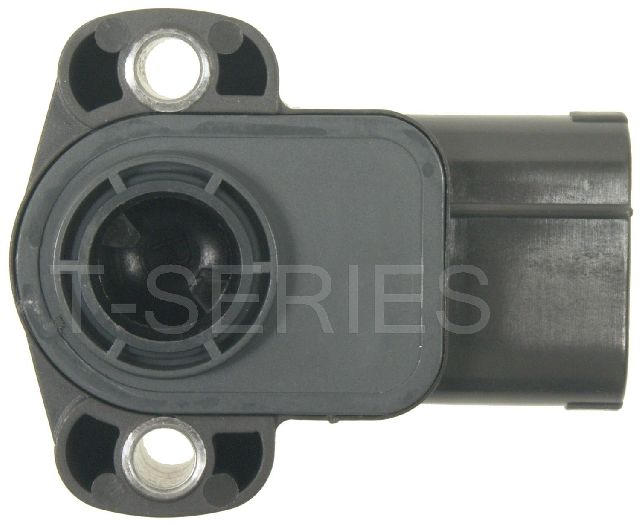
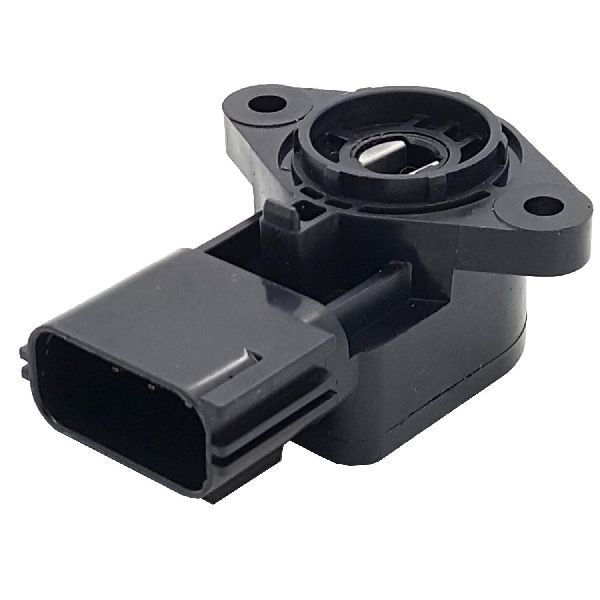
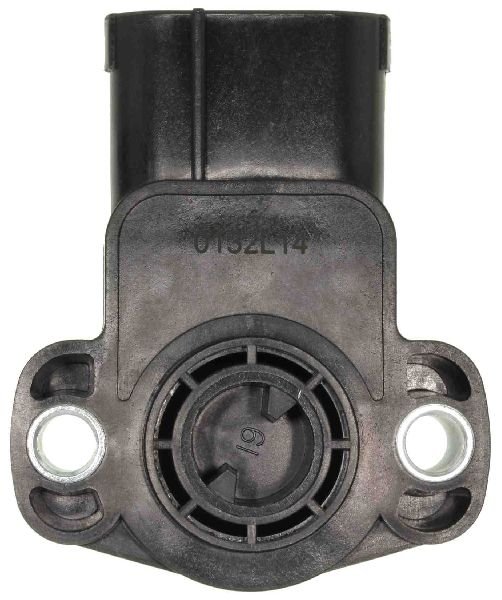
Bolt-on sensor, typically with a rectangular female connector and 4 blade-style terminals. For 2004+ models, it mounts to the electronic throttle body.
We Have This Part in Stock


The information in this article is provided for general reference and educational purposes only. Vehicle specifications, procedures, and part compatibility can vary by production date, trim level, and region. Always consult your vehicle's factory service manual and verify part numbers before purchasing or performing repairs. Safety-critical components such as airbags, seat belts, and braking systems should be installed by a qualified professional.
- Ford Lobo: