

Disc Brake Pad Set Replacement Guide for 2003-2010 IC Corporation RE Commercial
Keep your commercial bus stopping safely and reliably by choosing the right disc brake pads for the job.
- For a heavy commercial bus, always choose semi-metallic brake pads specifically rated for heavy-duty or severe-duty use.
- Brake pads should always be replaced in pairs on the same axle to ensure even and safe braking.
- Due to the critical safety nature and specialized tools required, brake pad replacement on this vehicle should be performed by a qualified professional.
- Regularly inspect brake pad thickness as part of your routine maintenance; do not wait for warning signs on a commercial vehicle.
Signs of Failing Brake Pads
Because brake pads are critical for safety, it's important to recognize the signs of wear before they fail completely. For a heavy-duty vehicle like the IC Corporation RE Commercial, brake performance is non-negotiable.
Common Failure Symptoms:
- Squealing or Screeching Noises: Many brake pads have a small metal tab called a wear indicator. When the pad material wears down, this tab scrapes against the brake rotor and makes a high-pitched noise, telling you it's time for a replacement.
- Grinding Sounds: A loud metallic grinding or rumbling sound means the brake pads are completely worn out. This is a critical situation where the metal backing plate of the pad is grinding against the rotor, causing severe damage and significantly reducing stopping power.
- Increased Stopping Distance: If you notice the bus is taking longer to stop than it used to, the brake pads may be worn out or contaminated with grease or oil, reducing their friction.
- Brake Pedal Pulsation: While often a sign of warped rotors, worn pads can contribute to uneven braking and strange pedal feel.
Choosing the Right Aftermarket Brake Pads
For a commercial bus, not just any brake pad will do. You need pads designed for severe, heavy-duty use. The main choice is between different friction materials, most commonly semi-metallic for this type of vehicle.
- Semi-Metallic Pads: These are the workhorses for heavy-duty trucks and buses. They contain metal fibers that help them withstand high heat and provide the strong stopping power needed for a heavy vehicle. They are durable but can sometimes be noisier and produce more dust than other types.
- Ceramic Pads: While popular for passenger cars due to being quiet and low-dust, standard ceramic pads are not typically recommended for heavy-duty applications like a commercial bus, as they may not handle the extreme heat and loads as well as semi-metallic pads.
Brand Tiers for Your Bus
When choosing from available aftermarket brands, it's helpful to think of them in terms of quality and intended use. All the brands listed are reputable and suitable for daily driver use.
- Premium Heavy-Duty (Best): Brands like Bendix are highly respected in the commercial vehicle industry for producing durable, reliable brake components that often meet or exceed original equipment standards. Their heavy-duty line is specifically engineered for the demands of vehicles like buses and trucks.
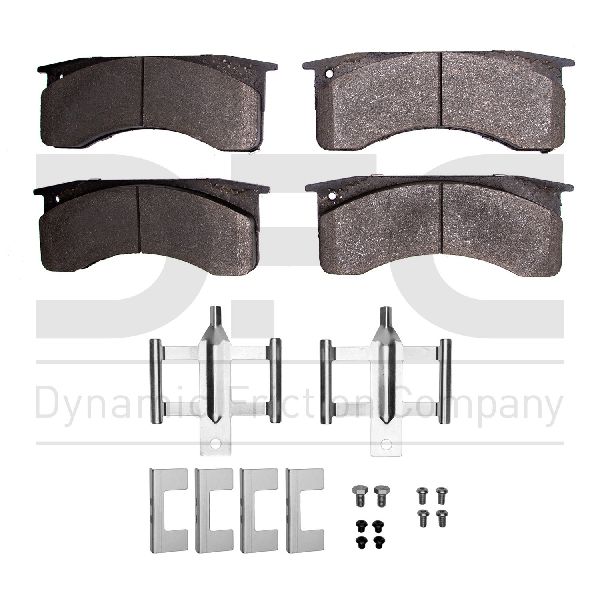
- Quality Aftermarket (Better): Brands like Centric and Dynamic Friction offer a wide range of products. They provide reliable, quality replacement parts that are a good balance of performance and cost. Centric, for example, is often praised for its quality control. When selecting from these brands, ensure you are choosing their severe-duty or heavy-duty product line.
Known Issues, Recalls, and TSBs
While searches did not reveal specific recalls for the disc brake pads on the 2003-2010 IC Corporation RE Commercial, several recalls and issues exist for the hydraulic brake systems on similar IC Bus models from different year ranges. These often involve components like brake pressure switches that can leak or short circuit, potentially increasing fire risk or affecting brake performance. It is always recommended to check the NHTSA website with your vehicle's specific VIN for any open recalls.
Estimated Replacement Costs
The cost of replacing brake pads can vary based on local labor rates and the quality of the parts chosen. Commercial vehicle repairs are typically more expensive than on passenger cars.
| Part/Service | Estimated Cost |
|---|---|
| New Aftermarket Disc Brake Pad Set (Parts Only) | $51.17 - $122.96 |
| Shop Labor (Per Axle) | $250 - $500 |
| Total Estimated Cost (Per Axle) | $300 - $625+ |
Frequently Asked Questions (FAQ)
How often should I replace the brake pads on my bus?
There is no fixed mileage. It depends entirely on the bus's routes (stop-and-go city driving wears pads faster), load, and driver habits. Regular inspections, at least every 6,000 miles or during every oil change, are the best way to monitor pad life.
Can I replace just the pads and not the rotors?
While technically possible, it is strongly recommended to replace pads and rotors at the same time, especially on a commercial vehicle. Installing new pads on a worn or uneven rotor will reduce braking effectiveness and cause the new pads to wear out much faster.
Should I use heavy-duty brake pads?
Absolutely. A commercial bus requires heavy-duty or severe-duty brake pads. These are made with friction materials designed to handle the high temperatures and immense forces needed to stop a heavy vehicle safely and repeatedly. Using standard passenger car pads would be unsafe and lead to rapid failure.
Can I perform this replacement myself?
Working on the brake system of a heavy-duty vehicle is a critical safety task that requires specialized tools and knowledge. Due to the vehicle's weight and the complexity of commercial brake systems, this job should be performed by a qualified mechanic with experience on commercial vehicles.
Technical Specifications
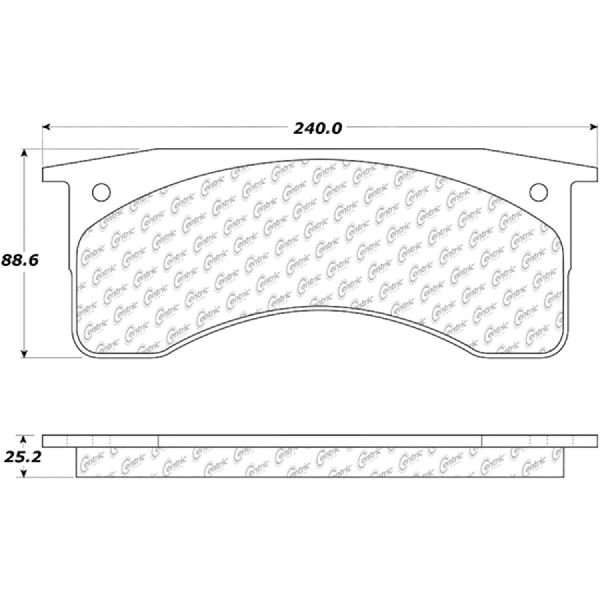
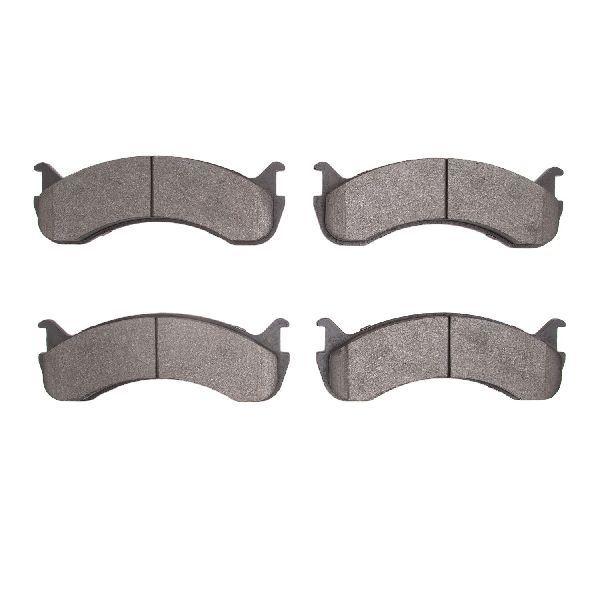
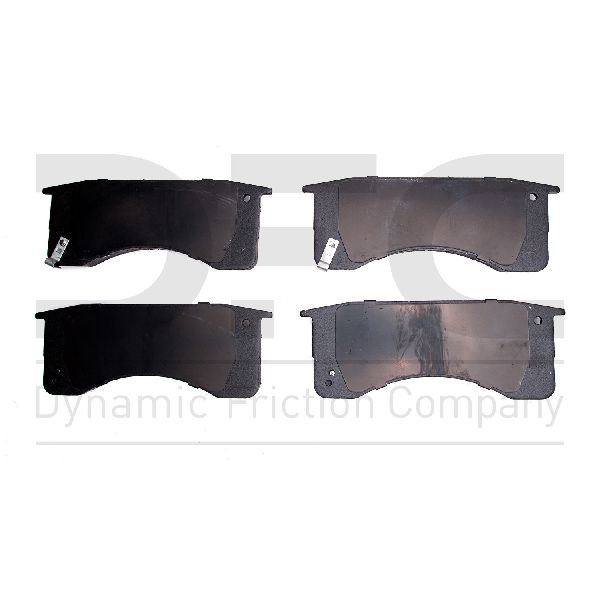
The 2003-2010 IC Corporation RE Commercial with hydraulic brakes typically requires a heavy-duty semi-metallic brake pad. The specific choice of pad must match the caliper system installed on the vehicle.
We Have This Part in Stock

The information in this article is provided for general reference and educational purposes only. Vehicle specifications, procedures, and part compatibility can vary by production date, trim level, and region. Always consult your vehicle's factory service manual and verify part numbers before purchasing or performing repairs. Safety-critical components such as airbags, seat belts, and braking systems should be installed by a qualified professional.
- IC Corporation RE Commercial: