

Choosing the Right Aftermarket Disc Brake Pads for Your 2003-2010 Mazda B4000
Stop the guesswork and find the best new brake pads for your truck's specific needs and budget.
- The 2003-2010 Mazda B4000 is mechanically identical to the Ford Ranger, so brake parts are interchangeable.
- For most owners, a daily-driver quality pad from brands like Bosch, Wagner, or Raybestos offers the best balance of price and performance.
- If you tow or use oversized tires, consider upgrading to a heavy-duty or performance pad from brands like Powerstop, EBC, or Hawk for improved safety and stopping power.
- Always replace brake rotors at the same time as the pads to ensure optimal performance and safety.
Is Your Mazda B4000 Telling You It Needs New Brake Pads?
Worn brake pads aren't just a maintenance item; they are a critical safety component. Ignoring the signs can lead to longer stopping distances and more expensive repairs. Your truck will give you clear warnings when the brake pads are nearing the end of their life.
- Squealing or Screeching: Most brake pads have a small metal tab called a wear indicator. When the pad material wears down, this tab scrapes against the rotor, making a high-pitched noise when you brake. This is the earliest sign to get your brakes checked.
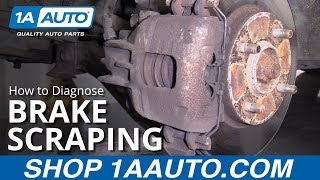
- Grinding Noise: If you hear a deep, metallic grinding or growling, it means the friction material is completely gone. You now have metal-on-metal contact between the pad's backing plate and the rotor. This is a serious safety issue that can severely damage your brake rotors, turning a simple pad replacement into a much costlier job. 🎬 Watch: How to diagnose common brake noises and vibrations
- Vibration or Pulsing in the Pedal: A pulsing or vibrating feeling in the brake pedal when you slow down often points to a warped brake rotor. Rotors can warp from the excessive heat generated by severely worn pads.
- Spongy or Soft Brake Pedal: If your brake pedal feels softer than usual or sinks towards the floor, it could indicate a problem with the brake fluid or a leak in the system. While not always a pad issue, it often appears alongside other brake problems.
- Clunking Sounds: Some owners have reported clunking noises from the front end during braking, which can sometimes be traced to a sticking brake caliper or loose hardware, issues that should be addressed during a pad replacement.
OEM vs. Aftermarket Brake Pads for the B4000
For a vehicle like the 2003-2010 Mazda B4000, which is mechanically identical to the Ford Ranger, the aftermarket offers a wide range of excellent brake pad options. Original Equipment (OEM) pads are designed for a balance of quiet operation and decent lifespan for the average driver. However, many aftermarket brands meet or exceed OEM quality, often for a lower price or with enhanced performance characteristics.
High-quality aftermarket pads from reputable brands can offer better stopping power, lower dust, or a longer service life than the original parts. For this truck, choosing a well-regarded aftermarket brand is a smart and cost-effective decision.
Choosing the Right Aftermarket Brake Pads
With dozens of options available, it helps to think in terms of quality tiers. The best choice for you depends on your driving style, budget, and how you use your truck.
Tier 1: Economy & Standard Replacement
These pads are designed to be affordable and meet basic factory specifications. They are a good choice for a daily driver on a tight budget or if you plan on selling the vehicle soon. While functional, they may not last as long or be as quiet as higher-tier options.
- Pronto
- Total Stopping Solutions
- Dynamic Friction (Standard lines)
Tier 2: Daily Driver & OEM-Quality
This is the sweet spot for most B4000 owners. These brands are known for providing excellent quality, quiet operation, and reliable stopping power that's equal to or better than the original pads. They offer a great balance of performance and value.
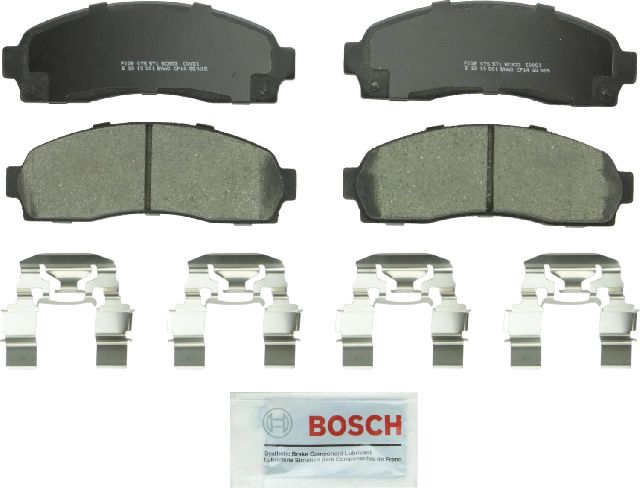
- Bosch QuietCast: Known for quiet performance and low dust.
- Wagner ThermoQuiet / OEX: A highly recommended brand among DIYers and professionals for consistent performance and durability.
- Raybestos Element3 / EHT: Praised for great stopping power and quality construction.
- ACDelco: A trusted name offering reliable, professional-grade options.
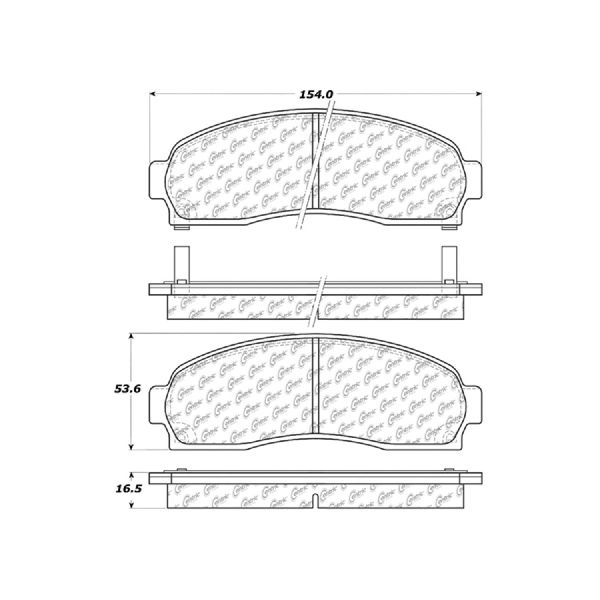
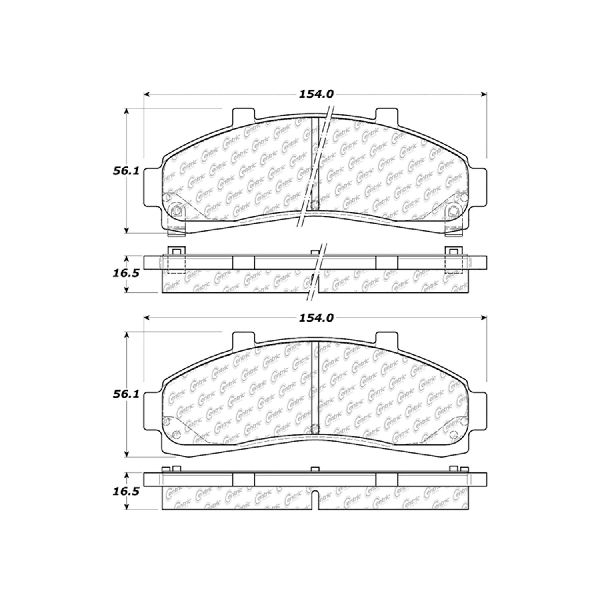
- Centric Parts: A popular choice that provides solid, dependable performance.
Tier 3: Premium & Performance/Heavy-Duty
If you tow, haul heavy loads, use larger-than-stock tires, or simply want the best stopping power possible, these pads are worth the extra cost. They use advanced friction formulas to resist brake fade and provide superior bite.
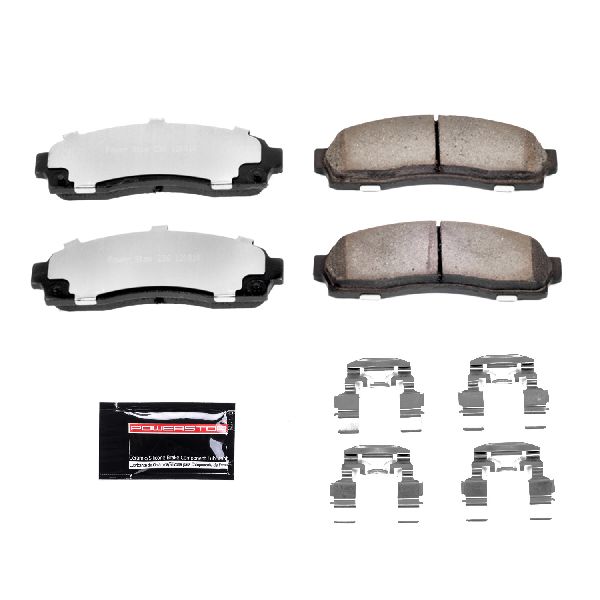
- Powerstop Z36 Truck & Tow: Specifically designed for trucks and SUVs, offering enhanced stopping power for towing and hauling.
- EBC Brakes (Yellowstuff/Greenstuff): A popular performance brand that offers significant braking improvement, though they can be pricier.
- Akebono: Renowned for their clean, low-dust ceramic pads and smooth, quiet operation.
- Hawk LTS (Light Truck & SUV): A well-regarded option in truck forums for improved braking under demanding conditions.
- Brembo: A top-tier performance brand, offering maximum stopping power for those who prioritize performance above all else.
Aftermarket Brake Pad Cost Overview
| Quality Tier | Estimated Price Range (Front Set) | Best For |
|---|---|---|
| Economy & Standard | $29 - $50 | Basic transportation, budget-focused repairs |
| Daily Driver & OEM-Quality | $50 - $100 | Most owners, balancing performance and value |
| Premium & Performance | $100 - $327+ | Towing, hauling, oversized tires, or maximum stopping power |
Known Issues, Recalls, and Service Bulletins
The 2003-2010 Mazda B4000 has no specific recalls or widespread Technical Service Bulletins (TSBs) related to premature brake pad failure. The braking system is considered robust and reliable. One normal characteristic you might notice is a brief clunk or buzz sound during the first forward movement after starting the truck; this is a normal ABS self-check and not a cause for concern. The most significant recall for this generation was for Takata airbags on some 2006 models.
Frequently Asked Questions (FAQ)
Do I need to replace my rotors with my brake pads?
It is highly recommended. New pads perform best on a fresh, flat rotor surface. Installing new pads on old, worn, or warped rotors can reduce braking effectiveness, cause noise, and lead to premature wear of the new pads. For the best results, always replace pads and rotors at the same time.
What's the difference between ceramic and semi-metallic pads?
Ceramic pads are known for being quiet, producing less brake dust, and being gentle on rotors. Semi-metallic pads typically offer better performance in a wider range of temperatures and can have a stronger initial "bite," making them a good choice for heavier use like towing. Many modern pads use hybrid formulas to combine the benefits of both.
Can I replace just the front brake pads?
Yes. Front and rear brakes wear at different rates, with the front brakes typically doing about 70% of the work and wearing out faster. You can replace the pads on just one axle (front or rear) as needed. However, you must always replace them in pairs (both left and right sides) to ensure even braking.
What is "bedding in" new brake pads?
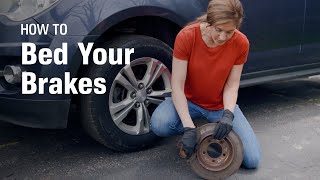
Bedding-in is the process of breaking in your new pads and rotors. It involves a series of controlled stops to transfer an even layer of friction material from the pads onto the rotors. This process ensures smooth, quiet, and powerful braking for the life of the pads. Most manufacturers include specific bedding-in instructions with their products.
🎬 See this guide on how and why to bed your brakesHelpful Videos
Technical Specifications
The Mazda B4000 uses front disc brakes and, on most models, rear drum brakes. Some 4WD models may have different caliper or pad configurations than 2WD models. Always verify the exact fitment for your truck's specific sub-model and drivetrain before purchasing.
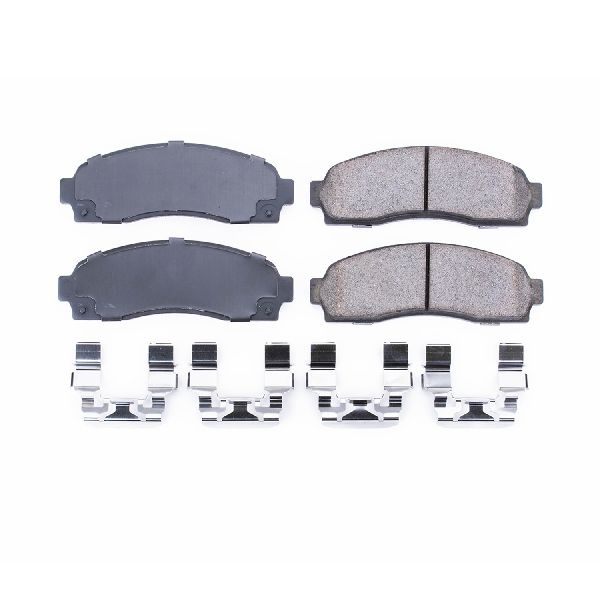
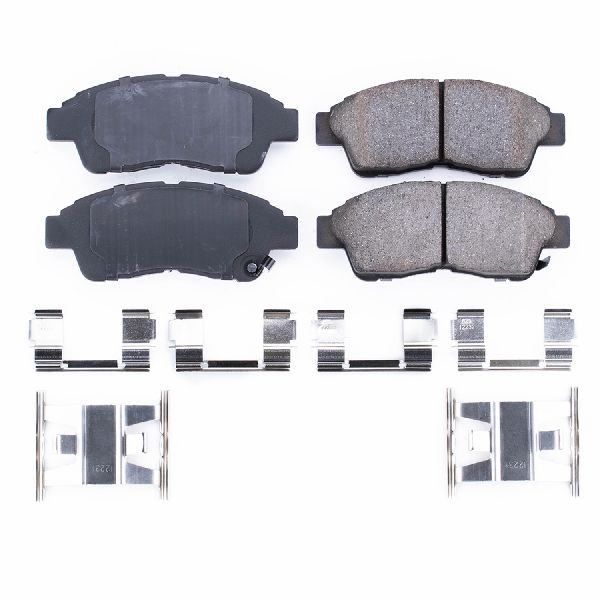
We Have This Part in Stock

The information in this article is provided for general reference and educational purposes only. Vehicle specifications, procedures, and part compatibility can vary by production date, trim level, and region. Always consult your vehicle's factory service manual and verify part numbers before purchasing or performing repairs. Safety-critical components such as airbags, seat belts, and braking systems should be installed by a qualified professional.
- Mazda B4000:
- 🎬 Helpful Videos
- 🛍️ Shop This Part
- Is Your Mazda B4000 Telling You It Needs New Brake Pads?
- OEM vs. Aftermarket Brake Pads for the B4000
- Choosing the Right Aftermarket Brake Pads
- Tier 1: Economy & Standard Replacement
- Tier 2: Daily Driver & OEM-Quality
- Tier 3: Premium & Performance/Heavy-Duty
- Aftermarket Brake Pad Cost Overview
- Known Issues, Recalls, and Service Bulletins
- Frequently Asked Questions (FAQ)
- 🎟️ Get 5% Off