

Choosing the Right Brake Pads for Your 2003-2010 Pontiac Vibe
Keep your reliable Vibe stopping safely by picking the perfect aftermarket brake pads for your needs.
- The Pontiac Vibe is a mechanical twin to the Toyota Matrix, ensuring a wide availability of quality aftermarket parts.
- Verify your Vibe's specific setup; 2009-2010 models have different standard brakes than 2003-2008 models, and many base models have rear drum brakes.
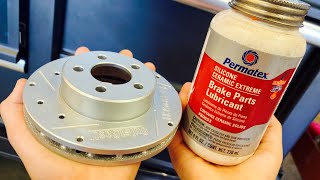
- For best results, replace rotors and pads at the same time and choose a quality ceramic pad from a brand like Akebono for quiet, clean, daily driving.
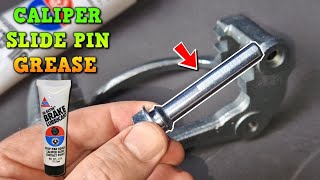
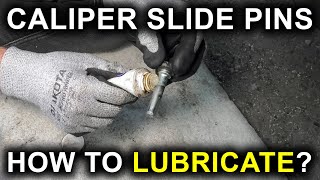
- Properly cleaning and lubricating caliper slide pins is critical to prevent uneven pad wear and brake pulsation issues.
Signs of Worn Brake Pads
Your Pontiac Vibe will give you clear signals when it's time for new brake pads. Ignoring them can lead to more expensive repairs, like needing new rotors or calipers. Be aware of these common symptoms:
- Squealing or Screeching Noises: Most brake pads have a small metal tab called a wear indicator. When the pad material gets too thin, this tab scrapes against the rotor, making a high-pitched noise when you brake.
- Grinding Sounds: A metal-on-metal grinding noise means the pad material is completely gone. This is a serious issue that damages the rotors and significantly reduces stopping power.
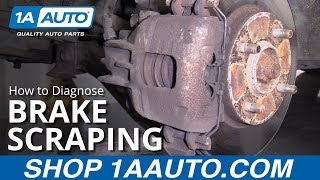
- Pulsating Brake Pedal: If you feel a pulsing or vibration in the brake pedal or steering wheel when you stop, it's often a sign of warped brake rotors. 🎬 Watch: How to diagnose brake noises and vibrations This can be caused by worn-out pads or aggressive braking habits.
- Increased Stopping Distance: If your Vibe takes longer to stop than it used to, your brake pads may be too worn to create enough friction.
- Brake Warning Light: If a brake-related warning light appears on your dashboard, have your system inspected immediately.
Choosing the Right Aftermarket Brake Pads
Since the Pontiac Vibe is mechanically identical to the Toyota Matrix, you have a wide selection of high-quality aftermarket parts available. For a daily driver like the Vibe, a good set of aftermarket pads from a reputable brand can offer the same or even better performance than the original OEM parts, often at a lower cost. Here’s how to choose:
Brake Pad Material: Ceramic vs. Semi-Metallic
Most Vibe models originally came with semi-metallic pads. However, ceramic pads are a popular upgrade.
- Ceramic Pads: These are known for being quiet, producing less dust (which keeps your wheels cleaner), and offering smooth stopping power. They are a great choice for daily driving. Brands like Akebono are highly recommended for this type.
- Semi-Metallic Pads: These pads offer excellent performance, especially in a wider range of temperatures. They can be slightly noisier and produce more dust than ceramics but are often more affordable.
A Note on Generations
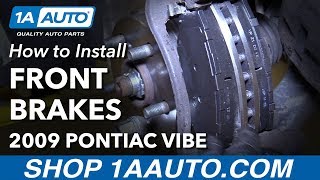
The Pontiac Vibe has two generations in this range: 2003-2008 and 2009-2010. The 2009-2010 models received significant updates, including standard four-wheel disc brakes 🎬 See this walkthrough for replacing 09-10 front brakes on all trims, whereas many earlier models used rear drum brakes. Always verify your Vibe's specific brake setup (front pads, rear pads, or rear shoes) before ordering parts.
Brand Recommendations
Not all brake pads are created equal. They can be grouped into tiers based on quality and performance.
- Premium (OEM-Equivalent): Brands like Akebono, Advics, and Brembo are often original equipment manufacturers for Toyota and other Japanese brands. They provide excellent, quiet, and reliable performance that meets or exceeds factory standards.
- Quality Daily Driver: Brands such as Bosch, Wagner, Raybestos, and Centric offer a great balance of performance, low noise, and value. They are a trusted choice for most Vibe owners.
- Economy: While more affordable, economy pads may wear faster, be noisier, or create more dust. If choosing this tier, stick to recognized names like Dynamic Friction or Powerstop's daily driver series.
Known Issue: Brake Pulsation
Some 2003-2010 Vibe owners have reported issues with a pulsating brake pedal, even after replacing parts. This is often due to unevenly worn or warped brake rotors. To prevent this, always ensure your caliper slide pins are cleaned and properly lubricated during a brake job 🎬 Watch: How to properly clean and lubricate caliper pins and consider replacing your rotors at the same time as your pads, especially if they are thin or show signs of wear.
Cost of Replacing Pontiac Vibe Brake Pads
| Part/Service | Estimated Cost |
|---|---|
| Aftermarket Disc Brake Pad Set (Front) | $21 - $197 |
| Aftermarket Disc Brake Pad Set (Rear) | $21 - $120 |
| Shop Labor for Pad Replacement (per axle) | $100 - $200 |
Frequently Asked Questions
Do I need to replace my rotors with my brake pads?
It is highly recommended. Modern rotors are thinner than they used to be and are not always suitable for resurfacing (turning). Replacing rotors and pads together ensures a smooth, new surface for the pads to bed into, which prevents vibration and ensures the best possible performance and longevity.
Are the front and rear brake pads the same?
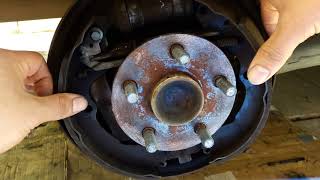
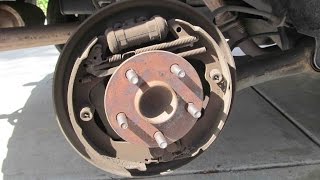
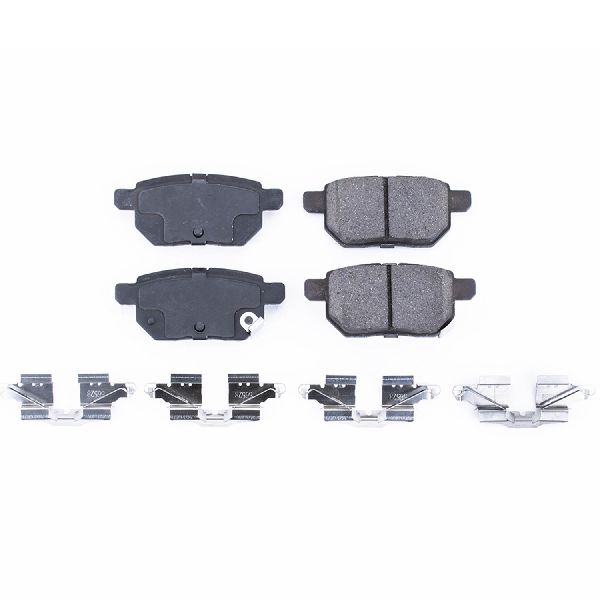
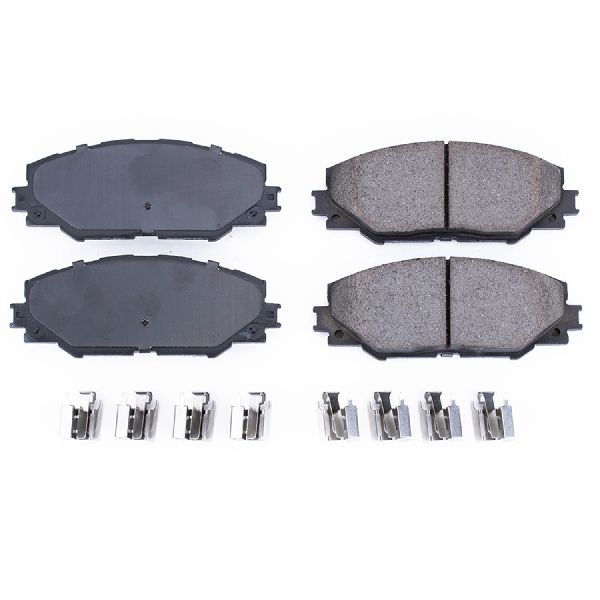
No, front and rear brake pads are different sizes and are not interchangeable. Furthermore, many 2003-2008 Vibe models have drum brakes in the rear, which use brake "shoes" instead of pads. Always confirm if your vehicle has rear discs or drums before buying parts.
Why are my new brakes making noise?
New brakes can sometimes make noise during the "bedding-in" period as the pads and rotors create a uniform contact surface. However, persistent noise could indicate improper installation, lack of lubrication on contact points and slide pins, or a compatibility issue between pad and rotor materials.
Is there a recall on the 2003-2010 Vibe brakes?
Yes, there was a safety recall (NHTSA Campaign ID: 09V392000) for certain 2009-2010 Vibe models with the 1.8L engine, primarily in cold-weather states. The issue involved condensation freezing in a brake vacuum line, which could lead to a loss of power brake assist and increased stopping distances. This recall did not involve the brake pads themselves, but rather a vacuum line modification performed by dealers.
Helpful Videos
Technical Specifications
Brake system varies by year and trim. First generation (2003-2008) base models typically have front disc and rear drum brakes, while GT and AWD models have four-wheel disc brakes. Second generation (2009-2010) models came standard with four-wheel disc brakes and ABS. Always verify your specific configuration before purchasing.
We Have This Part in Stock
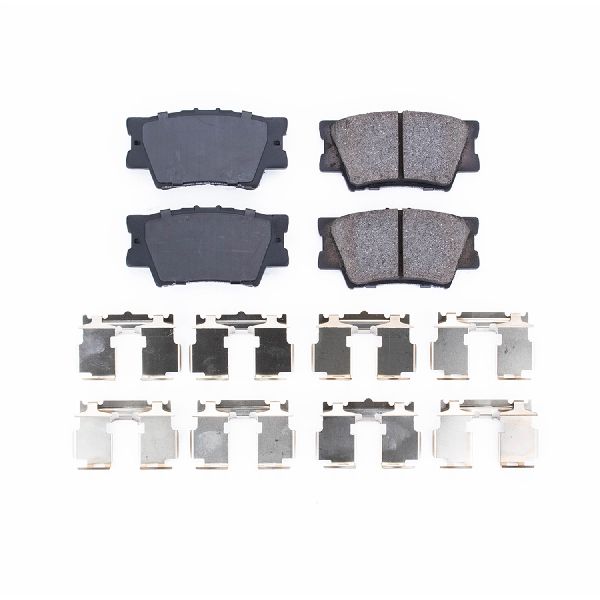
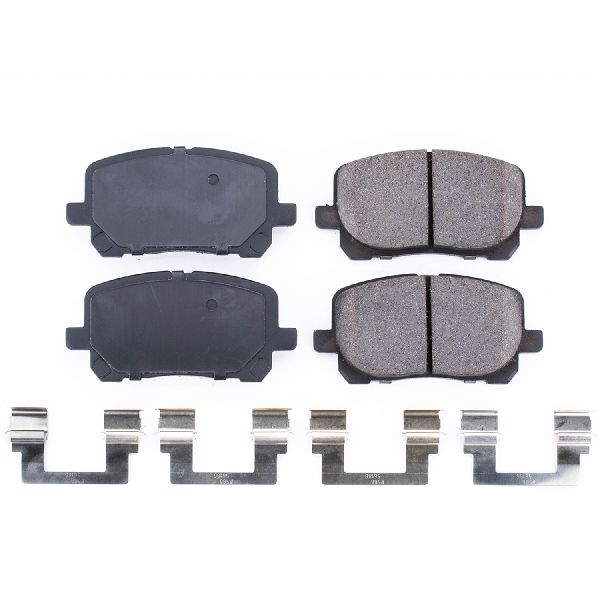
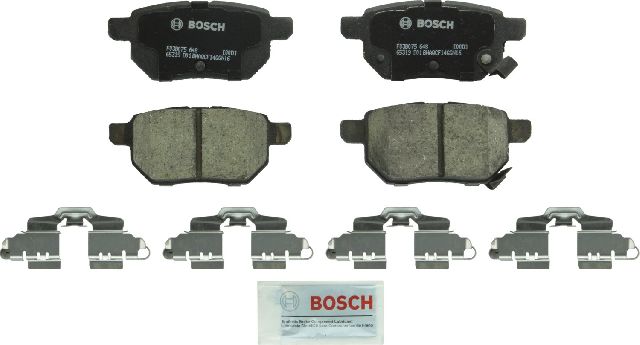
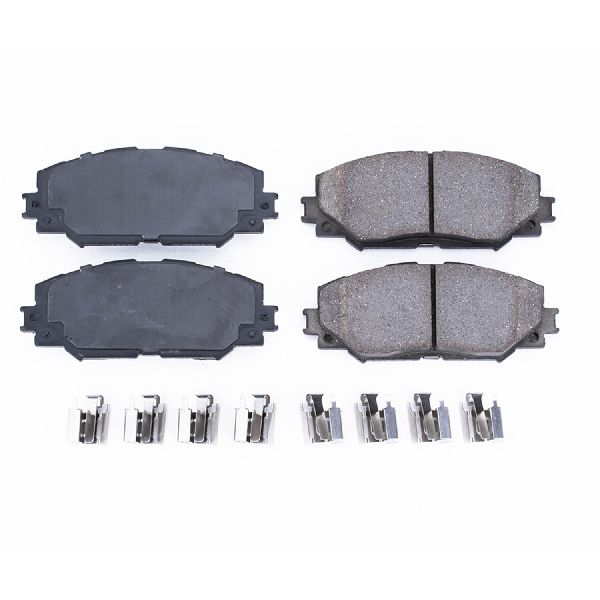

The information in this article is provided for general reference and educational purposes only. Vehicle specifications, procedures, and part compatibility can vary by production date, trim level, and region. Always consult your vehicle's factory service manual and verify part numbers before purchasing or performing repairs. Safety-critical components such as airbags, seat belts, and braking systems should be installed by a qualified professional.
- Pontiac Vibe:
- 🎬 Helpful Videos
- 🛍️ Shop This Part
- Signs of Worn Brake Pads
- Choosing the Right Aftermarket Brake Pads
- Brake Pad Material: Ceramic vs. Semi-Metallic
- A Note on Generations
- Brand Recommendations
- Known Issue: Brake Pulsation
- Cost of Replacing Pontiac Vibe Brake Pads
- Frequently Asked Questions
- 🎟️ Get 5% Off