

Porsche Cayenne Serpentine Belt Replacement Guide (2003-2010)
Everything you need to know before replacing the serpentine belt on your first-generation Porsche Cayenne.
- Inspect the belt regularly for cracks and wear; replace it if any are found to avoid being stranded.
- Aftermarket brands like Continental, Gates, and Dayco offer OEM-quality belts for a lower price.
- While replacing the belt, inspect all pulleys and the tensioner for wear and consider replacing them if mileage is high.
- Be aware of brittle plastic lines (like the crankcase vent hose) that can break during the job.
Is Your Cayenne's Serpentine Belt Failing?

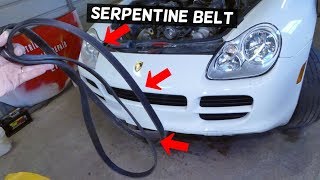
A serpentine belt is a critical wear item. Over time, engine heat and constant friction cause the rubber to crack and degrade. A failing belt can cause squealing noises, especially on startup or when the AC is on. You might also notice flickering lights or a battery warning light if the alternator isn't spinning correctly. In the worst-case scenario, the belt will snap, causing an immediate loss of power steering and battery charging, and will lead to rapid engine overheating.
Warning: Coolant Leaks Can Destroy Your Belt
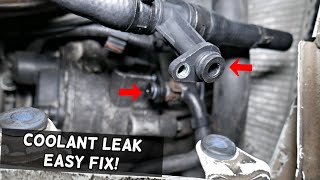
The V8 engines in the 2003-2010 Cayenne are known for issues with plastic coolant pipes located under the intake manifold. When these pipes leak, coolant can drip onto the serpentine belt. This will cause the belt to slip, squeal, and degrade very quickly. If you smell antifreeze or see white, crusty residue around the engine, you may have a coolant leak that needs to be addressed before you replace the belt.
Choosing the Right Aftermarket Serpentine Belt

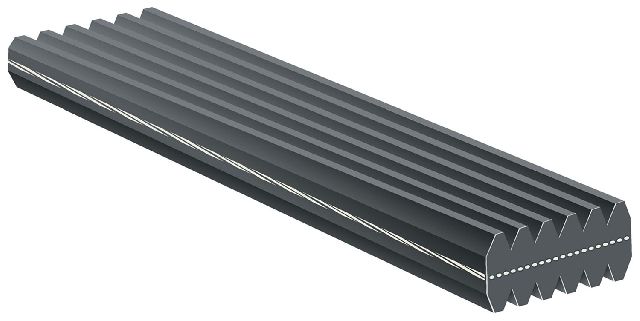
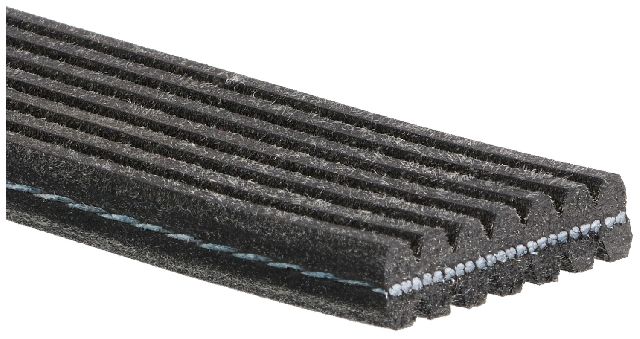
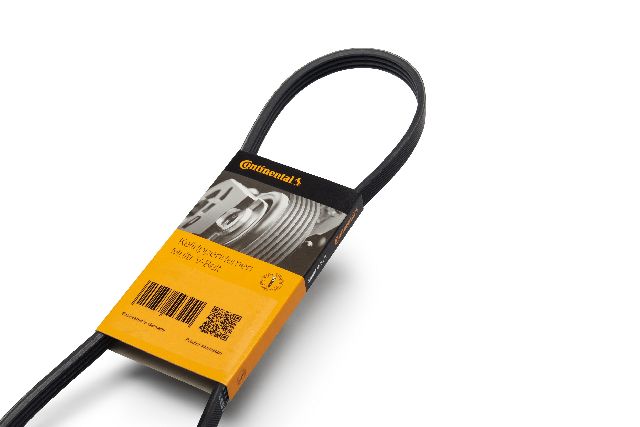
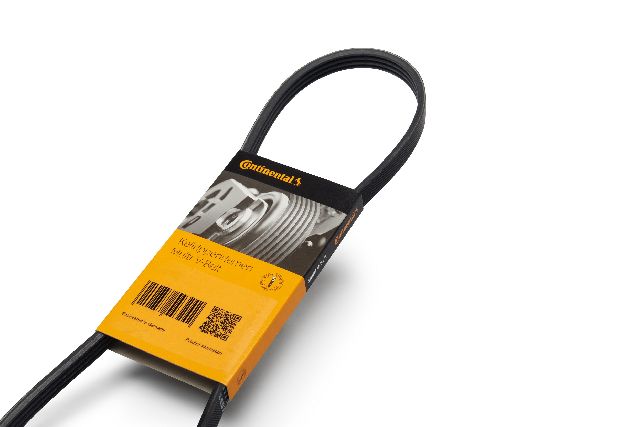
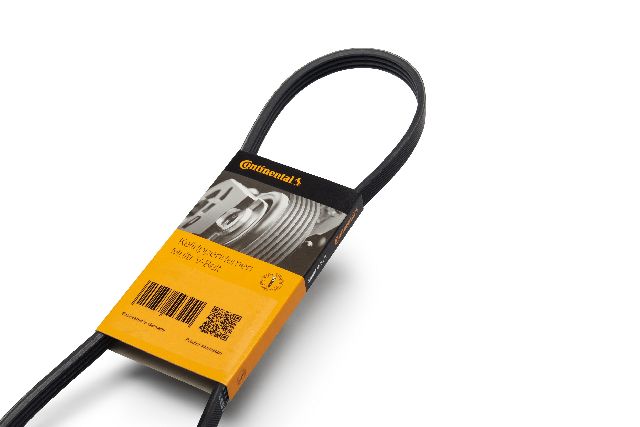
When shopping for a new serpentine belt, you don't need to pay the high price for a genuine Porsche-branded part. Several highly respected aftermarket companies manufacture belts that meet or exceed OEM specifications. For the Porsche Cayenne, brands like Continental, Dayco, and Gates are all excellent choices that are trusted by mechanics and enthusiasts.
- Continental: Often an original equipment manufacturer (OEM) for Porsche and other German brands, Continental belts are a top-tier choice known for their quality and durability.
- Gates: A very popular and trusted brand in the aftermarket, Gates produces high-quality belts and other rubber components for a wide range of vehicles.
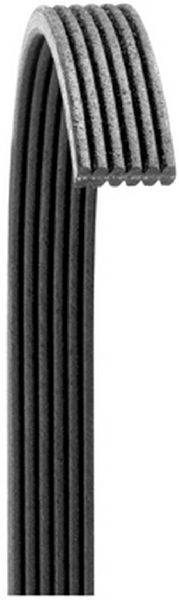
- Dayco: Another major player in the belt industry, Dayco offers reliable and durable belts that are a cost-effective alternative to OEM parts.
Pro Tip: Since replacing the belt requires a moderate amount of labor, it's a good idea to replace the belt tensioner and any idler pulleys at the same time, especially if your Cayenne has over 80,000 miles. A failing pulley bearing can shred a new belt in short order.
Common Ordering Mistakes

The most common mistake is ordering the wrong belt for your engine. The 2003-2010 Cayenne was available with several different engines (V6, V8, Turbo V8), and they do not all use the same length belt. Always verify the part fitment for your specific year, submodel (Base, S, Turbo, GTS), and engine size before ordering.
Frequently Asked Questions

How often should I replace my Cayenne's serpentine belt?
There isn't a strict mileage interval from Porsche. The belt should be inspected for cracks, fraying, or contamination at every oil change (about every 5,000 miles). Most owners replace them preventatively between 60,000 and 90,000 miles, or as soon as signs of wear appear.
Can I replace the serpentine belt myself?
Yes, this is a DIY-feasible job for someone with mechanical experience. It requires removing some plastic engine covers and air intake components for access. You will need a special 30mm wrench or a long breaker bar to release the belt tensioner. The job can be tight, and having a helper can make it easier. Expect it to take 1-3 hours.
What are the signs of a bad belt tensioner?
A failing tensioner can cause a rattling or grinding noise from the engine bay. You may also see the tensioner pulley vibrating excessively while the engine is running. A weak tensioner spring can also cause the belt to slip and squeal. When you remove the old belt, spin the pulleys by hand; they should spin smoothly and quietly with no wobble.
My old belt broke. Could there be another problem?
Yes. While belts can break from old age, a sudden failure often points to another issue. The most common cause is a seized pulley on an accessory like the water pump, alternator, or an idler pulley. When the pulley freezes, the belt can't move and the force from the engine snaps it. Before installing a new belt, it is critical to spin every pulley by hand to ensure they all turn freely.
Helpful Videos
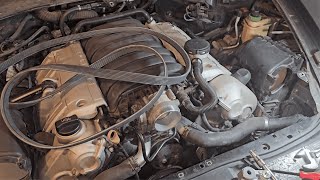

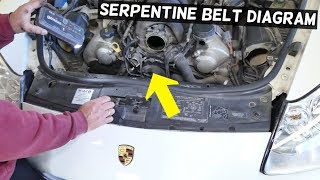
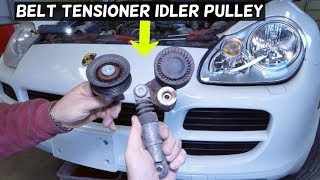
Technical Specifications
OEM Part Numbers: 99919238050 95510293300 95510225100
Varies by engine. The V8 (4.5L) uses a different belt than the V6 (3.2L/3.6L). Always confirm fitment with your vehicle's specific engine.
We Have This Part in Stock

The information in this article is provided for general reference and educational purposes only. Vehicle specifications, procedures, and part compatibility can vary by production date, trim level, and region. Always consult your vehicle's factory service manual and verify part numbers before purchasing or performing repairs. Safety-critical components such as airbags, seat belts, and braking systems should be installed by a qualified professional.
- Porsche Cayenne: