

Toyota 4Runner A/C Expansion Valve Guide for 2003-2010 Models
If your 4th Gen 4Runner's A/C is blowing warm, the expansion valve could be the culprit.
- A failing expansion valve is a common cause for poor A/C performance in 2003-2010 4Runners.
- Replacement is a labor-intensive job; the part is cheap, but accessing it behind the dashboard is expensive.
- Always replace the receiver/drier when opening the A/C system for this repair.
- Denso is the OEM supplier and the most recommended brand for reliability.
Is Your 4Runner's A/C Losing Its Cool?
When the air conditioning in your 2003-2010 Toyota 4Runner isn't blowing cold, it's easy to assume you just need a refrigerant recharge. 🎬 See this tutorial on checking your relay and refrigerant levels However, a faulty A/C expansion valve is a common and often overlooked cause. This component, also known as a TXV, regulates refrigerant flow into the evaporator. When it fails, it can cause a range of cooling problems, from weak performance to a complete lack of cold air.
Symptoms of a Failing Expansion Valve
A bad expansion valve can show itself in a few ways. Being aware of these signs can help you diagnose the problem before you're stuck sweating in traffic.
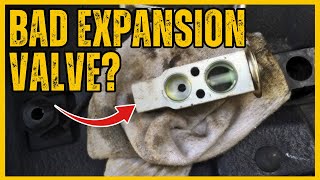
🎬 Watch: Top 9 symptoms of a bad expansion valve- Warm or Inconsistent A/C: The most common symptom is air from the vents that isn't as cold as it should be, or air that cycles between cool and warm. This can happen if the valve is stuck partially closed, restricting refrigerant flow.
- A/C Works at High Speeds, Not at Idle: If your A/C gets colder when you're driving on the highway but blows warm when you're stopped, it could point to an expansion valve issue.
- Frost on A/C Components: An expansion valve stuck open can allow too much refrigerant into the evaporator, causing frost to form on the evaporator itself or the A/C lines.
- Low Pressure on Gauges: If you connect a manifold gauge set, a failing expansion valve often results in abnormally low readings on the low-pressure side.
Compressor Failure is a Risk
If an expansion valve fails, it can starve the A/C compressor of the refrigerant and oil it needs for lubrication. Running the A/C with a bad valve can lead to catastrophic compressor failure, a much more expensive repair. If you suspect a bad valve, it's best to stop using the A/C until it's fixed.
Choosing the Right Aftermarket Expansion Valve
When replacing the expansion valve on your 4Runner, you have options. The Original Equipment (OE) part is made by Denso. Aftermarket brands offer a range of quality and price points.
Tier 1: OE Quality
- Denso: As the original supplier for Toyota, Denso is the benchmark for quality and fit. Choosing a Denso valve ensures you get the same performance and longevity as the part your 4Runner came with from the factory. Many owners and mechanics prefer to stick with Denso for critical A/C components.
Tier 2: Reputable Aftermarket
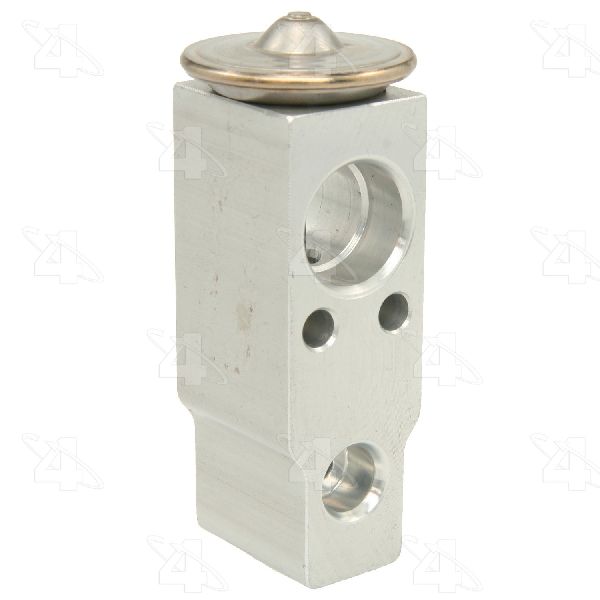
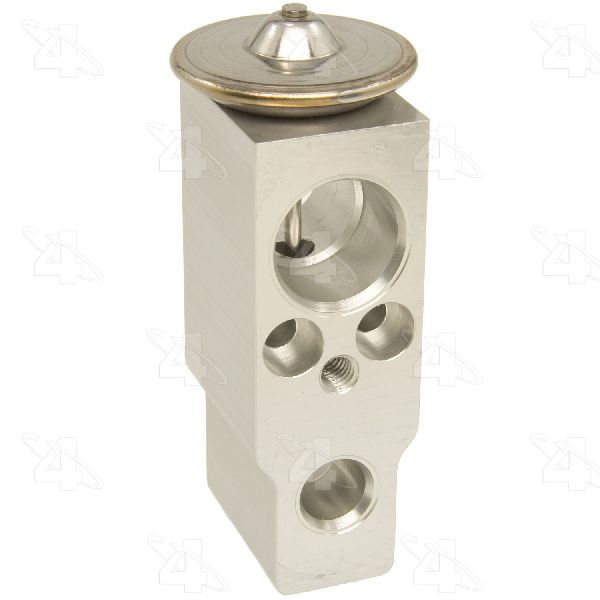
- Four Seasons: A well-known and widely available brand, Four Seasons offers a good balance of quality and value. They are a popular choice for general repairs and are considered a reliable alternative to OE.
- Nissens: Another respected aftermarket manufacturer, Nissens produces a wide range of A/C parts. While generally good quality, it's always wise to verify fitment for your specific vehicle, as some users have reported needing minor modifications for other vehicle models.
Tier 3: Economy Brands
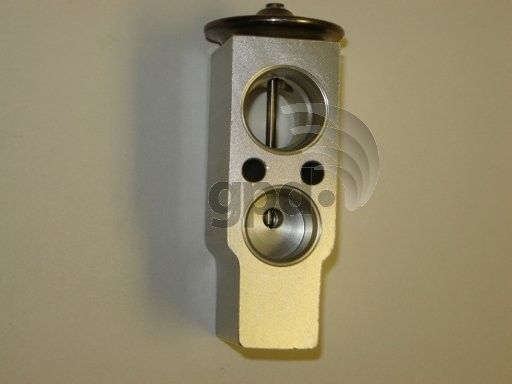
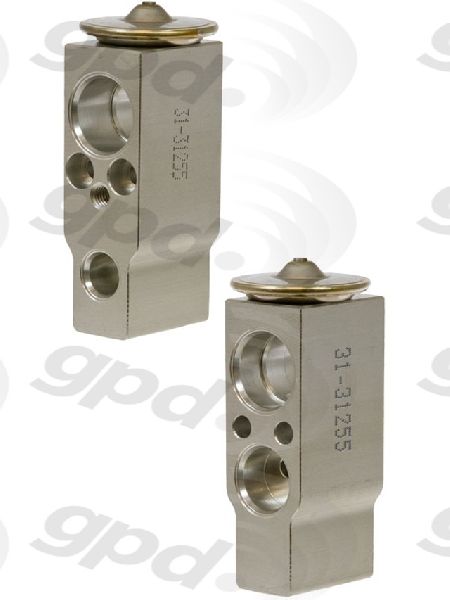
- Global Parts Distributors (GPD), UAC, Santech: These brands offer the most budget-friendly options. While they can get your A/C working again, their long-term durability and manufacturing consistency may not match the higher-tiered brands. They can be a viable option for older vehicles or if budget is the primary concern.
Always Replace the Receiver/Drier
Anytime the A/C system is opened to replace a component like the expansion valve, you MUST also replace the receiver/drier (also called an accumulator). The drier contains a desiccant that absorbs moisture from the refrigerant. Once exposed to the atmosphere, it becomes saturated and can't be reused. Failing to replace it will lead to poor performance and potential system damage.
Cost to Replace a 4Runner Expansion Valve
The expansion valve itself is not an expensive part. However, the labor involved is significant because the valve is located behind the glove box and requires partial disassembly of the dashboard to access.
🎬 Watch: How to replace the valve without removing the dash| Item | Estimated Cost |
|---|---|
| New Aftermarket Expansion Valve | $29 - $67 |
| New OEM (Denso) Expansion Valve | $85 - $165 |
| Shop Labor & System Recharge | $622 - $1145 |
| Total Estimated Cost (Shop) | $781 - $1349 |
Frequently Asked Questions
Can I replace the 4Runner expansion valve myself?
This is a difficult DIY job. While it doesn't require removing the entire dashboard, you need to remove the glove box and other components in a tight space. More importantly, the job requires specialized equipment to safely recover the old refrigerant and then vacuum and recharge the system. This work should only be done by trained professionals due to the high pressures and regulated substances involved.
Are there any recalls for the 2003-2010 4Runner A/C system?
No, there are no specific recalls or common Technical Service Bulletins (TSBs) from Toyota for A/C expansion valve failure on the 2003-2010 4Runner. However, Toyota has issued general TSBs regarding A/C leak detection and component inspection that apply to these models.
Should I flush the A/C system when replacing the valve?
Yes, especially if your A/C compressor has failed. When a compressor fails, it can send metal debris throughout the system, which can clog the new expansion valve and other components. Flushing the lines, condenser, and evaporator is a critical step to ensure the new parts are not contaminated.
What's the difference between an expansion valve and an orifice tube?
Both parts do the same basic job of metering refrigerant, but they work differently. An expansion valve (like in your 4Runner) is a variable valve that can adjust refrigerant flow based on temperature. An orifice tube is a simpler, fixed-size restriction. Expansion valves provide more efficient and adaptable cooling performance.
Helpful Videos
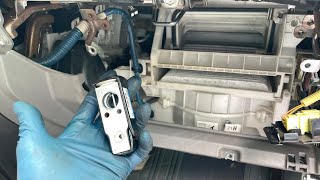
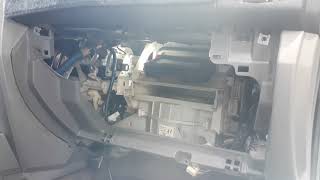
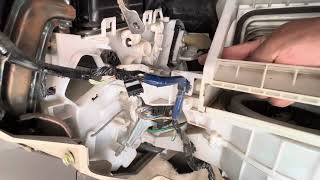
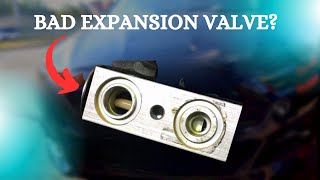
Technical Specifications
OEM Part Numbers: 88515-22240 88515-06020 88515-20120 88515-20100 88515-04030
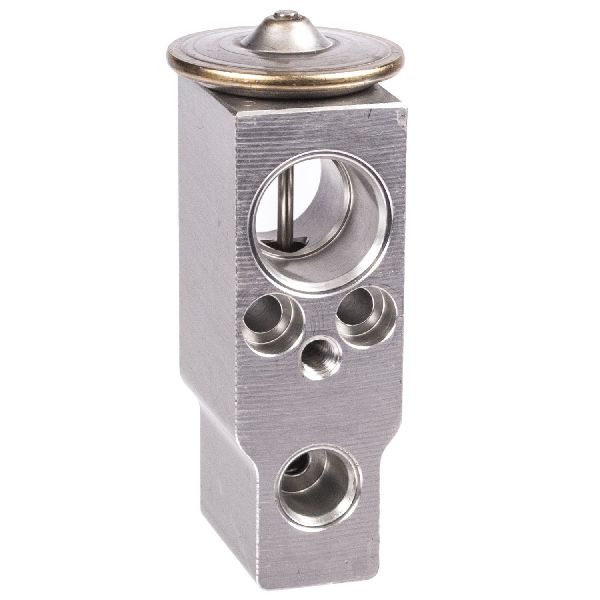
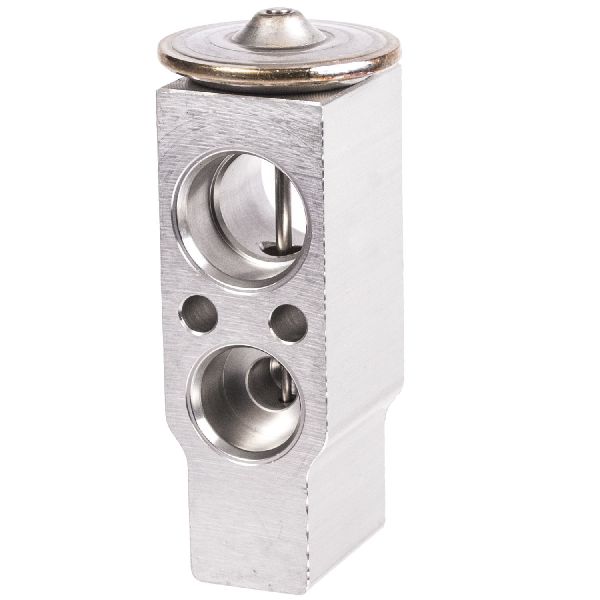
Block-type thermal expansion valve (TXV).
We Have This Part in Stock

The information in this article is provided for general reference and educational purposes only. Vehicle specifications, procedures, and part compatibility can vary by production date, trim level, and region. Always consult your vehicle's factory service manual and verify part numbers before purchasing or performing repairs. Safety-critical components such as airbags, seat belts, and braking systems should be installed by a qualified professional.
- Toyota 4Runner:
- 🎬 Helpful Videos
- 🛍️ Shop This Part
- Is Your 4Runner's A/C Losing Its Cool?
- Symptoms of a Failing Expansion Valve
- Compressor Failure is a Risk
- Choosing the Right Aftermarket Expansion Valve
- Always Replace the Receiver/Drier
- Cost to Replace a 4Runner Expansion Valve
- Frequently Asked Questions
- 🎟️ Get 5% Off