

A Practical Guide to the 2003-2010 Toyota 4Runner Fuel Pump and Strainer
Don't let a failing fuel pump leave you stranded; here is what every 4th Gen 4Runner owner needs to know about this critical part.
- Denso is the original equipment manufacturer (OEM) and is the most recommended brand for reliability in a 4Runner.
- Replacement is a difficult job (3-5 hours) that requires dropping the fuel tank; using a quality part is critical to avoid repeat labor.
- The major Toyota fuel pump recall (NHTSA 20V-682) does NOT apply to the 2003-2010 4Runner models.
- Symptoms progress from a whining noise and hesitation to stalling and a no-start condition.
Is Your 4Runner's Fuel Pump Failing?
A fuel pump rarely fails without warning. For the 2003-2010 4Runner, the signs often start small and get worse over time. Ignoring them can lead to your truck stalling in traffic or not starting at all. The most common symptom is a high-pitched whining or humming noise coming from the rear of the vehicle, near the fuel tank. You might also feel the engine hesitate or sputter when you accelerate, especially going up hills. Other signs include the engine stalling unexpectedly, having trouble starting, or taking longer than usual to turn over.
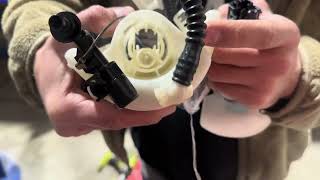
🎬 Check this video to see if a bad connector is the cause.Known Issues: Recalls and Service Bulletins
There is a lot of confusion about fuel pump recalls. A major Toyota recall (NHTSA 20V-682) was issued for defective Denso fuel pumps that could cause an engine to stall. However, this recall does NOT apply to the 2003-2010 4Runner. It covers newer models like the 2014-2015 and 2018-2019 4Runners. Any fuel pump failure on a 4th generation model is typically due to normal wear and tear from age and mileage, not a manufacturing defect covered by a recall.
Choosing the Right Aftermarket Fuel Pump
Because replacing the fuel pump requires dropping the fuel tank, it's a job you only want to do once. This makes your choice of brand very important. While budget-friendly options exist, most experienced owners recommend using a high-quality part to ensure reliability.
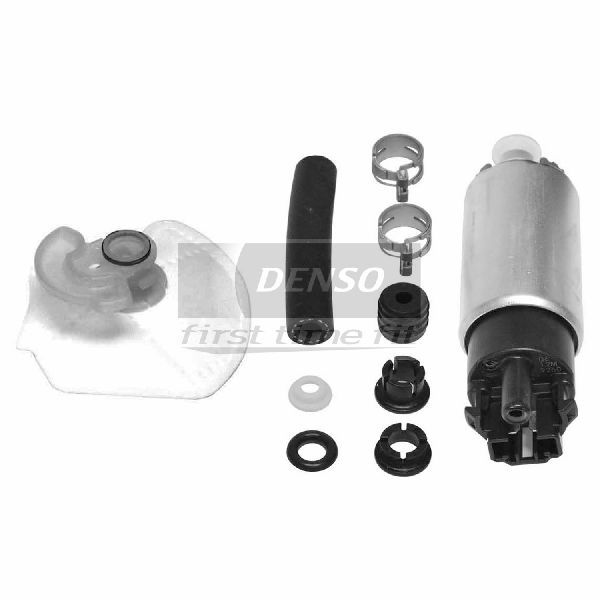
- Premium (OEM-Equivalent): Denso is the original equipment manufacturer (OEM) for Toyota. Choosing an aftermarket Denso pump is the closest you can get to the original part's quality and fit without the dealership price tag. It is the most recommended brand in owner forums for its proven reliability.
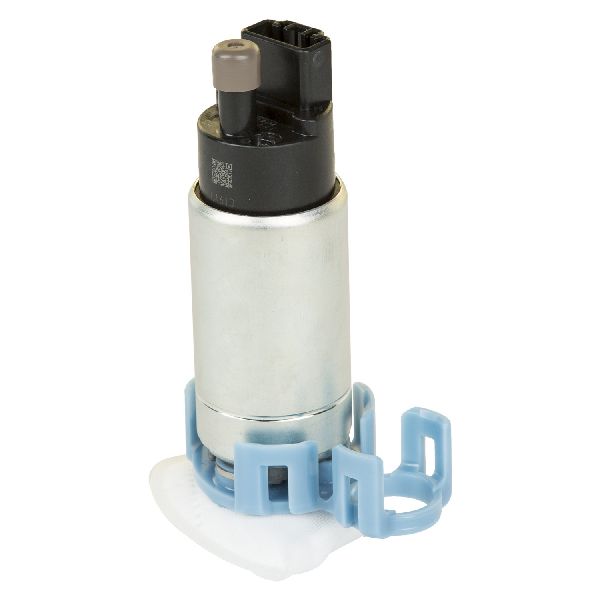
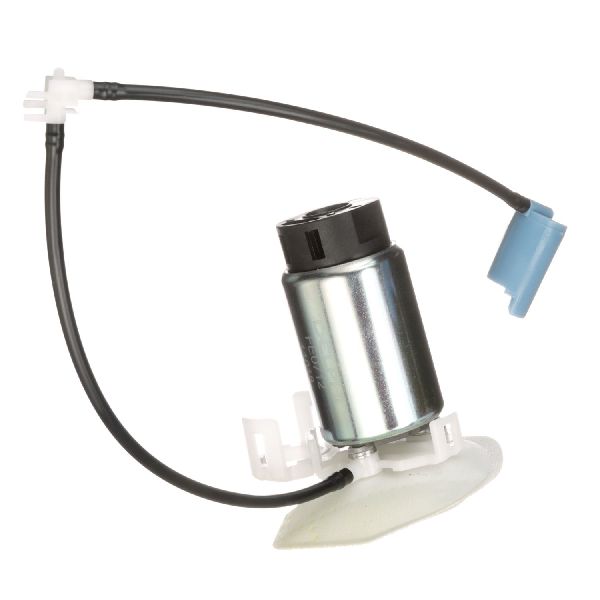
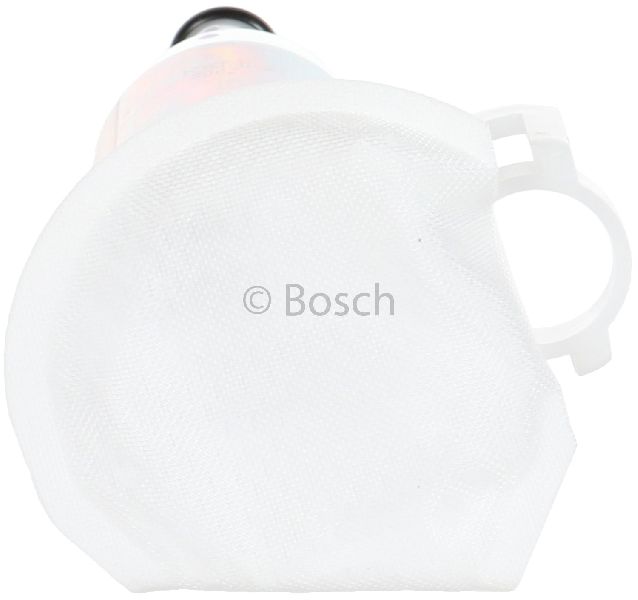
- Quality Aftermarket: Brands like Bosch and Delphi are well-known Tier 1 suppliers that also produce reliable fuel pumps. While many owners have used them without issue, the strong consensus for a Toyota is to stick with Denso if possible.
- Standard / Economy: Brands like AutoBest offer a more affordable solution. While they meet basic fit and function requirements, they may not have the same long-term durability as premium brands. Given the difficult installation, a budget pump can be a risky choice.
Pro Tip: You can buy just the pump and strainer, or the complete fuel pump assembly (also called a module). The assembly includes the pump, strainer, housing, and the fuel level sending unit. If your gas gauge has been inaccurate, buying the full assembly is the best way to fix both problems at once.
How Much Does a 4Runner Fuel Pump Replacement Cost?
The cost depends on the parts you choose and who does the work. The biggest factor in professional replacement is the 3-5 hours of labor required to drop the fuel tank.
| Part Type | Estimated Cost |
|---|---|
| New OEM (Dealer) | $750 - $1,500+ |
| New Aftermarket | $57 - $403 |
| Shop Labor | $350 - $600 |
| Total Professional Job (Aftermarket Part) | $407 - $1,003 |
Frequently Asked Questions
Can I replace the fuel pump myself?
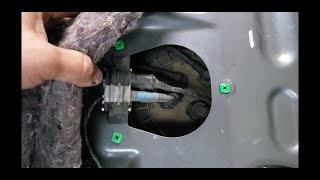
This is a challenging job for a DIY mechanic. It is rated as moderately difficult (4 out of 5) because you must drop the entire fuel tank 🎬 See a step-by-step walkthrough of the fuel tank removal process. to get to the pump. There is no simple access panel under the seat on these 4Runners. If you are not comfortable working with fuel lines and supporting a heavy gas tank, it is best to leave this job to a professional.
Do I have to replace the whole assembly or just the pump?
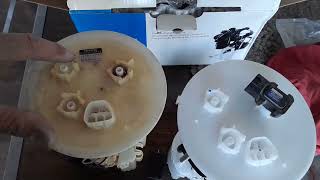
You can replace just the pump and strainer kit, 🎬 Watch this detailed guide on rebuilding the fuel pump module. which is cheaper. However, the plastic housing can become brittle with age, and the fuel level sender can also fail. Replacing the entire module is more expensive but ensures all related components are new and is often an easier installation.
Is the Denso aftermarket pump the same as the Toyota one?
They are extremely similar. Denso makes the original part for Toyota. The aftermarket Denso pump is made to the same standards, often in the same factory. It is considered the most reliable aftermarket option.
Does the 4th Gen 4Runner have a separate fuel filter?
No, there is not a separate, serviceable fuel filter on the frame rail like on some older vehicles. The primary filter is the strainer (sock) attached to the pump inside the tank, which should always be replaced with the pump. The assembly housing also contains an internal filter that is not sold separately.
Helpful Videos

Technical Specifications
OEM Part Numbers: 77020-35062 77020-35112 77020-35151 77020-35150 77020-35061 77020-35060
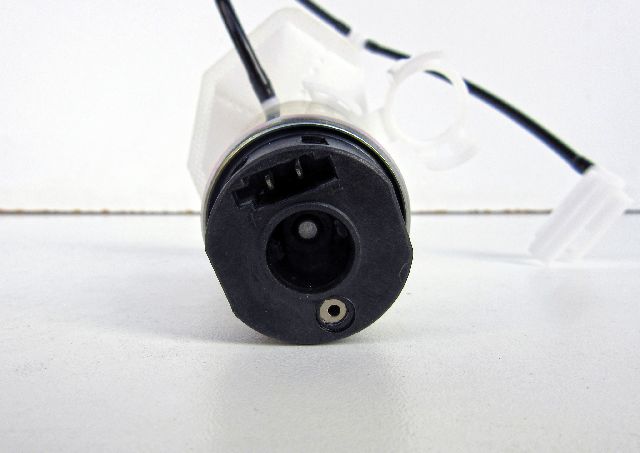
The fuel pump is an in-tank, electric turbine-style pump. It is typically sold as a kit with a new strainer or as a complete module assembly that includes the housing and fuel level sending unit. The system operates on a 12V electrical system.
We Have This Part in Stock

The information in this article is provided for general reference and educational purposes only. Vehicle specifications, procedures, and part compatibility can vary by production date, trim level, and region. Always consult your vehicle's factory service manual and verify part numbers before purchasing or performing repairs. Safety-critical components such as airbags, seat belts, and braking systems should be installed by a qualified professional.
- Toyota 4Runner: