

A Practical Guide to Replacing 2003-2010 Toyota 4Runner Control Arm Bushings
Clunking noises and sloppy steering on your 4th Gen 4Runner often point to worn control arm bushings; here's how to choose the right replacement.
- Decide early whether to replace just the bushings or the entire control arm; seized cam bolts often make replacing the whole arm more practical.
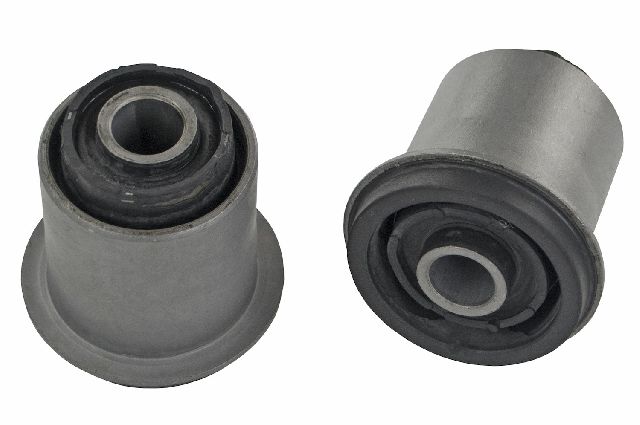
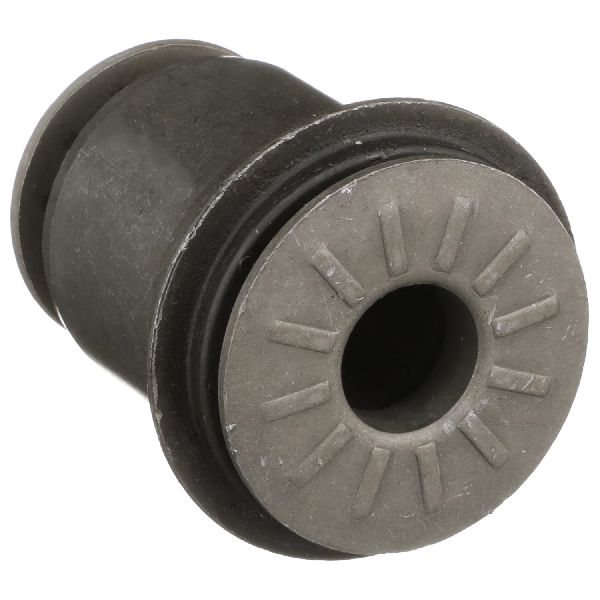
- Choose polyurethane bushings (Whiteline, Nolathane) for durability on lifted/off-road trucks, but stick with OEM-style rubber for daily driver comfort.
- A professional wheel alignment is mandatory after replacing control arm bushings or arms to prevent rapid tire wear.
- Before starting the repair, thoroughly inspect the vehicle's frame for rust where the control arms mount, a known issue on this 4Runner generation.
Is It Time to Replace Your 4Runner's Control Arm Bushings?
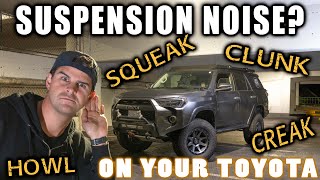
If you're driving a 4th generation (2003-2010) Toyota 4Runner, chances are your control arm bushings have seen a lot of miles. These parts are designed to wear out over time. The most common signs of failure are distinct noises and changes in how your truck feels on the road. Many owners report hearing a clunking or popping sound when going over bumps, which can sometimes be felt through the floorboards. 🎬 Watch: Diagnosing common Toyota suspension noises and clunks. Other key symptoms include:
- A loose, vague, or wandering feeling in the steering.
- Vibrations felt through the steering wheel, especially when braking.
- Uneven or accelerated tire wear, particularly on the inner or outer edges.
Check for Frame Rust First
The 2003-2009 4Runner is known for significant frame rust issues, which were part of a larger lawsuit involving other Toyota trucks. Before replacing any suspension components, it is critical to inspect the frame where the control arms mount. If the frame is severely corroded, replacing the bushings alone is not a safe or effective repair. In some cases, frame rust can cause the entire suspension mounting point to fail.
The Big Decision: Replace Bushings or the Entire Control Arm?
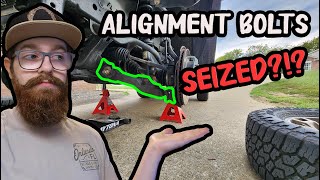
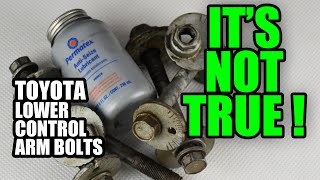
For the 4th Gen 4Runner, this is the most important question. On many vehicles, simply pressing out the old bushings and installing new ones is standard practice. However, the lower control arm bolts (cam bolts) on the 4Runner are notorious for seizing inside the metal sleeve of the bushing. This is especially common in areas where road salt is used. 🎬 See why these lower control arm bolts get so stuck. If the bolts are seized, they often have to be cut out with a reciprocating saw, destroying the bolt and sometimes damaging the arm. Because of this, many mechanics and experienced owners recommend replacing the entire control arm assembly. While the part cost is higher, it can save a significant amount of labor, includes a new ball joint, and avoids the headache of seized bolts.
Brand Tiers & Material Choice
Once you decide between bushings-only or a full assembly, you must choose the material and brand that fits your needs.
| Material / Brand Tier | Best For | Pros | Cons |
|---|---|---|---|
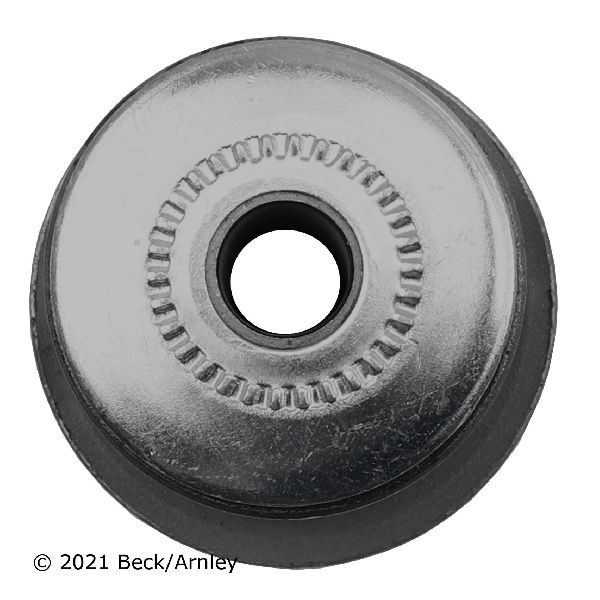
| OEM-Style Rubber (e.g., Beck Arnley, Delphi) | Daily driving, comfort | Quiet, comfortable ride; direct replacement for factory feel. Beck Arnley has a good reputation for sourcing from OEM suppliers. | Less durable than polyurethane, especially with off-road use or on lifted trucks. |
| Performance Polyurethane (e.g., Whiteline, Nolathane) | Off-roading, lifted trucks, performance handling | Extremely durable, resistant to elements, provides a tighter steering response. | Significantly firmer ride, can be harsh for a daily driver, may squeak if not lubricated properly. |
| Economy Aftermarket (e.g., Dorman, Mevotech, Moog) | Budget-conscious repairs | Low initial cost. | Quality can be inconsistent. Forum users report mixed experiences, with some advising against these brands due to premature failures. |
Pro Tip: An alignment is not optional after this job. Replacing control arm bushings or arms directly affects your 4Runner's alignment angles. Failure to get a professional alignment will result in poor handling and rapid tire wear.
Frequently Asked Questions
Should I use rubber or polyurethane bushings?
Choose rubber (like OEM) if you prioritize a comfortable, quiet ride for daily driving. Choose polyurethane (like Whiteline or Nolathane) if you have a lifted truck, go off-road frequently, and want maximum durability, but be prepared for a much stiffer ride and potentially more noise.
Can I replace just one side?
It is highly recommended to replace control arm bushings in pairs (both left and right). They wear at similar rates, and replacing only one side can lead to unbalanced handling and require you to do the same job again on the other side shortly after.
Is this a good DIY job?
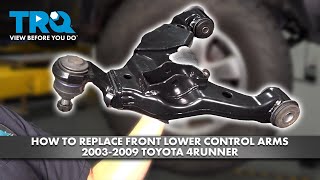
This is a difficult DIY job. It often requires a shop press to remove and install the bushings. The high likelihood of seized lower control arm bolts, which require cutting, makes it a job best left to experienced mechanics 🎬 Watch this full walkthrough of the lower control arm replacement. with the right tools.
Do I need to replace the upper and lower bushings at the same time?
Not necessarily, but it's a good idea to inspect them all. The lower control arm bushings typically experience the most stress and wear out first. However, if the lowers are gone, the uppers may not be far behind. Replacing them all at once can save on labor and alignment costs down the road.
Helpful Videos
Technical Specifications
OEM Part Numbers: 48654-60030 48655-60030 48654-04010 48061-35010
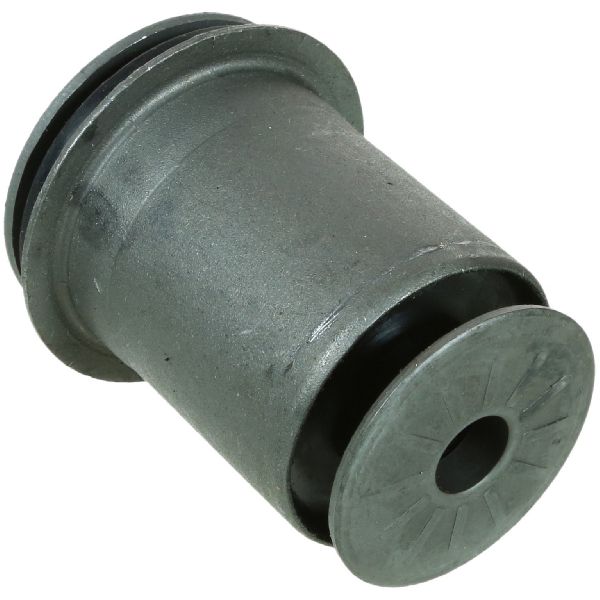
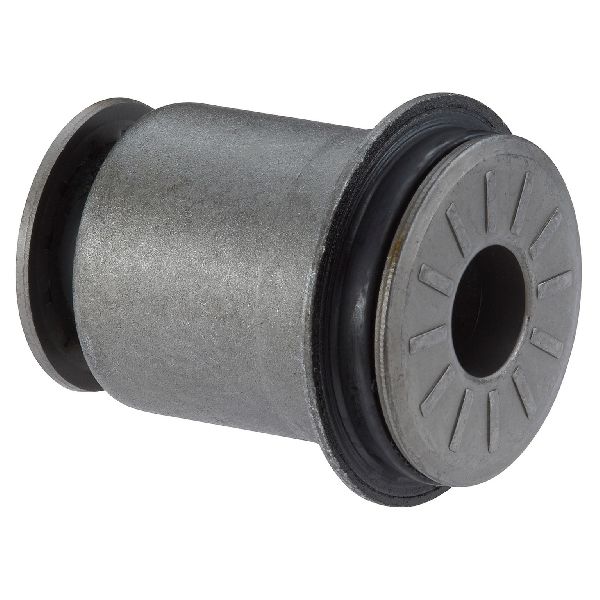
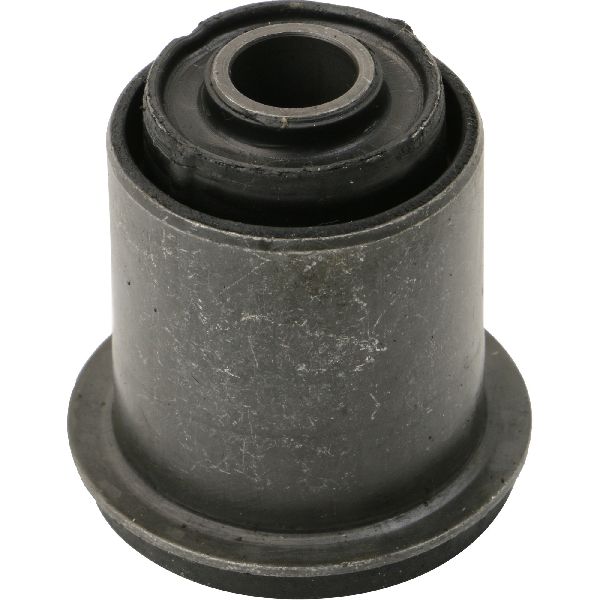
The 4th Generation 4Runner uses a double-wishbone front suspension. The lower control arms have two bushings (front and rear positions) and a ball joint. The upper control arm has two bushings and a ball joint. The lower control arm cam bolts are a frequent point of failure due to seizure.
We Have This Part in Stock

The information in this article is provided for general reference and educational purposes only. Vehicle specifications, procedures, and part compatibility can vary by production date, trim level, and region. Always consult your vehicle's factory service manual and verify part numbers before purchasing or performing repairs. Safety-critical components such as airbags, seat belts, and braking systems should be installed by a qualified professional.
- Toyota 4Runner: