

2003-2010 Volvo XC90 Fuel Pressure Sensor: A Complete Replacement Guide
Solve common stalling, hard starting, and poor performance issues by understanding this critical fuel system component.
- A failing fuel pressure sensor can cause stalling, hard starts, and poor acceleration, often with codes like P0193 or P0089.
- Bosch is the original manufacturer for this Volvo part, making it the most reliable aftermarket choice.
- Replacement is a simple DIY task, requiring only a T25 Torx bit and about 30 minutes.
- Always relieve fuel pressure and place a rag under the sensor before removal to manage fuel spillage safely.
Signs of a Failing Fuel Pressure Sensor in Your XC90

When the fuel pressure sensor starts to fail, it sends incorrect information to the engine's computer. This can trick the computer into providing too much or too little fuel, leading to a range of noticeable problems. Many of these symptoms can feel like a bad fuel pump, but the sensor is a common failure point and often the real culprit.
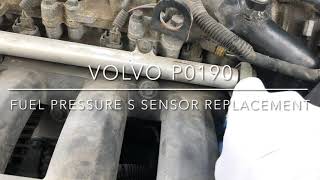
- Check Engine Light: This is often the first sign. You may see codes like P0193, P0190, P0089, 🎬 See how to fix a P0190 code on your XC90. or specific Volvo codes like ECM-280B. 🎬 Watch this breakdown of common symptoms and diagnostic codes.
- Hard Starting or Long Cranking: The engine may take longer than usual to turn over because the computer isn't providing the correct fuel pressure for startup.
- Engine Stalling: The engine may stall unexpectedly, especially when coming to a stop or at idle. In some cases, it may not restart.
- Poor Performance and Hesitation: You might feel a lack of power, sluggish acceleration, or a general hesitation when you press the gas pedal.
- Rough Idle: The engine may run unevenly or stumble while idling.
Choosing the Right Aftermarket Fuel Pressure Sensor

When replacing the fuel pressure sensor on your 2003-2010 XC90, you have several aftermarket options. The quality can vary, so it's important to choose wisely to avoid doing the job twice.
- Bosch: Bosch is the original equipment manufacturer (OEM) for Volvo for this part. This means a Bosch sensor is identical to the part you would get from a Volvo dealership, but usually at a lower price. It is the most recommended and reliable choice for a direct-fit replacement.
- Standard Motor Products (Standard Ignition): Standard is a well-regarded aftermarket brand that produces reliable sensors. While sometimes more expensive than Bosch, it is generally considered a quality alternative if a Bosch part is not available.
- URO Parts: URO Parts is known for producing a wide range of European car parts at a budget-friendly price. While some owners use them without issue, their quality can sometimes be inconsistent compared to OEM suppliers like Bosch. It's often considered a budget-tier option.
- Replacement: This is typically a generic or store-brand part. It offers the lowest price point but may not have the same long-term durability or precise calibration as a Bosch or Standard sensor.
Cost of Replacing a Volvo XC90 Fuel Pressure Sensor
The cost can be broken down into the part itself and labor if you have a shop perform the work. The job is straightforward for a DIYer with basic tools.
| Item | Estimated Cost |
|---|---|
| New Aftermarket Part | $42 - $85 |
| Shop Labor | $75 - $150 |
| Total Professional Replacement | $117 - $235 |
Frequently Asked Questions

Where is the fuel pressure sensor located on the 2003-2010 XC90?
The fuel pressure sensor is located on the end of the silver fuel rail, which sits on top of the engine. On most XC90 engines from this era (like the 2.5T, T6, 3.2L, and V8), you can access it by simply removing the plastic engine cover.
Can I replace the fuel pressure sensor myself?
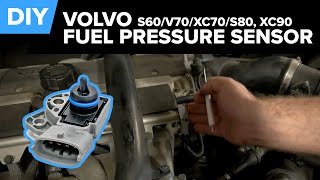
Yes, this is a very DIY-friendly job that typically takes less than 30 minutes. The sensor is held in by a single T25 Torx screw. The main steps are to relieve fuel pressure, disconnect the electrical connector, remove the screw, and swap the old sensor for the new one. 🎬 Follow this easy DIY walkthrough for a quick sensor replacement. Always place a rag underneath the sensor to catch any spilled fuel.
Do I need to relieve the fuel pressure before starting?
It is highly recommended. The fuel system remains under pressure even when the car is off. You can relieve the pressure by removing the fuel pump fuse (located in the fuse box) and running the engine until it stalls. Even after this, be prepared for a small amount of fuel to spill when you remove the sensor.
Are there any recalls for the fuel pressure sensor on the XC90?
There was a recall (NHTSA Campaign ID: 07V226000) for a faulty fuel pressure sensor on some earlier model Volvos, but it primarily affected 2003-2004 S60 and V70 models, not the XC90 specifically. Separately, Volvo issued a warranty extension for the low-pressure fuel sensor on some 2015-2016 models, which is outside this year range. There are no widespread recalls for this part on the 2003-2010 XC90.
Helpful Videos
Technical Specifications
OEM Part Numbers: 31272730 8699449 31272732
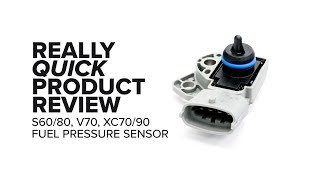
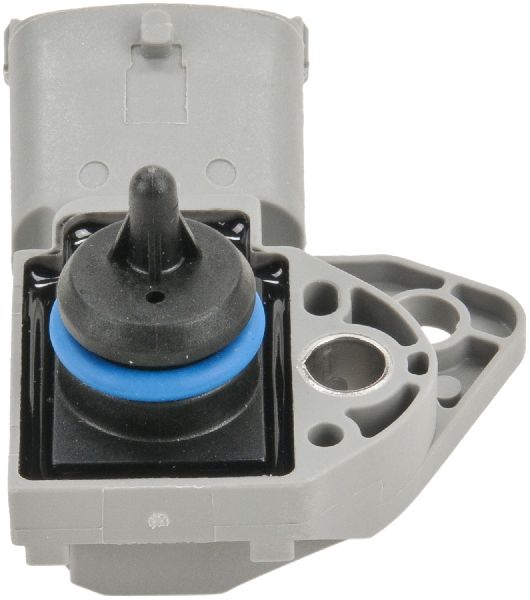
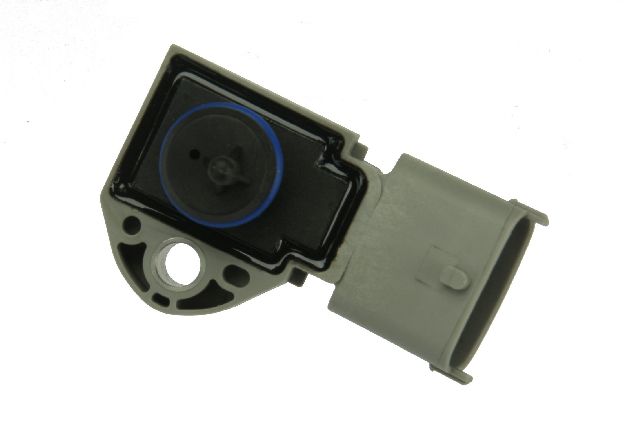
The sensor is located on the fuel rail and is secured by a single T25 Torx screw. It uses a 3-pin electrical connector.
We Have This Part in Stock


The information in this article is provided for general reference and educational purposes only. Vehicle specifications, procedures, and part compatibility can vary by production date, trim level, and region. Always consult your vehicle's factory service manual and verify part numbers before purchasing or performing repairs. Safety-critical components such as airbags, seat belts, and braking systems should be installed by a qualified professional.
- Volvo XC90: