

Choosing the Right Disc Brake Pads for Your 2003-2011 BMW 323i
Stop wasting money on dusty, noisy brakes and find the perfect aftermarket pads for your Bimmer.
- For the 2006-2011 BMW 323i (E90), aftermarket ceramic pads like Akebono are a popular upgrade to reduce the heavy brake dust from OEM pads.
- Always replace the two electronic brake wear sensors (front-left, rear-right) when you replace your brake pads, especially if the warning light is on.
- OEM pads (like Textar) offer great performance but are very dusty. Performance pads (Hawk, Brembo) improve bite but can also be dusty and noisy.
- For best results and to avoid vibration, it is strongly recommended to replace the brake rotors at the same time as the pads.
Understanding Your 2003-2011 BMW 323i Brakes
Before you buy, it's important to know which BMW 3 Series you own. The 2003-2011 year range covers two distinct generations: the E46 (sold in the US until 2005, but the 323i model ended in 2000) and the E90 (sold in North America from 2006-2011). This guide focuses primarily on the E90 generation (2006-2011), which is the model most owners in this year range will have. Always confirm your vehicle's specific model year before purchasing parts.
Common Symptoms of Failing Brake Pads
Your BMW is designed to tell you when its brakes need attention. Ignoring these signs can lead to more expensive repairs, like needing to replace rotors along with the pads.
- Brake Warning Light: The most obvious sign. Your E90 uses a two-stage electronic wear sensor on the front-left and right-rear brake pads. When the light comes on, it's time to inspect and likely replace your pads and the sensor itself.
- Squealing or Grinding Noises: A high-pitched squeal when you brake is an early warning. A deeper, harsher grinding sound means the pads are completely worn, and the metal backing plate is likely damaging your rotors.
- Vibrations: A shudder or vibration felt through the brake pedal or steering wheel when braking can point to warped rotors, which can be caused by worn-out pads.
- Spongy or Soft Brake Pedal: If the pedal feels less responsive or travels closer to the floor, it could indicate a problem with the brake system, possibly related to worn components or air in the lines.
A Note on Brake Wear Sensors
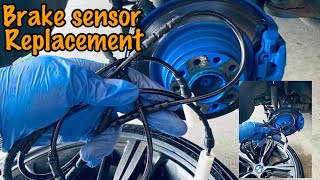
The E90 323i uses a specific brake wear sensor for the front driver's side and rear passenger's side wheel. 🎬 Watch this video to see how to replace the rear sensor. These sensors are designed to be replaced with the brake pads. They are often brittle and break upon removal, so it's essential to have new sensors ready for the job. Using old sensors with new pads can confuse the car's computer system.
Choosing the Right Aftermarket Brake Pads
One of the most common complaints from BMW owners is the large amount of brake dust produced by the original factory (OEM) pads. While OEM pads, often made by brands like Textar or Pagid, provide excellent stopping power and initial bite, many owners switch to aftermarket ceramic pads to keep their wheels cleaner.
Brand & Material Tiers
Here’s a breakdown of popular aftermarket brands and what you can expect from them:
- Premium Ceramic (Low Dust, Quiet Operation): Brands like Akebono are a favorite among BMW owners for their significant reduction in brake dust and quiet operation. They may have a slightly less aggressive "initial bite" than stock pads, but stopping power is still confident and smooth for daily driving. Many consider this a worthwhile trade-off for clean wheels.
- Performance / Sport (Increased Bite, Higher Heat Tolerance): Brands like Hawk Performance (HPS 5.0) and Brembo offer pads for the owner who wants more aggressive stopping power. These are great for spirited driving but can produce more dust and noise than ceramic options, similar to the OEM pads.
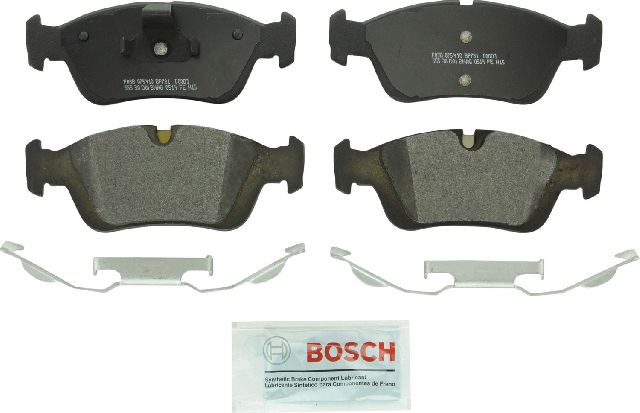
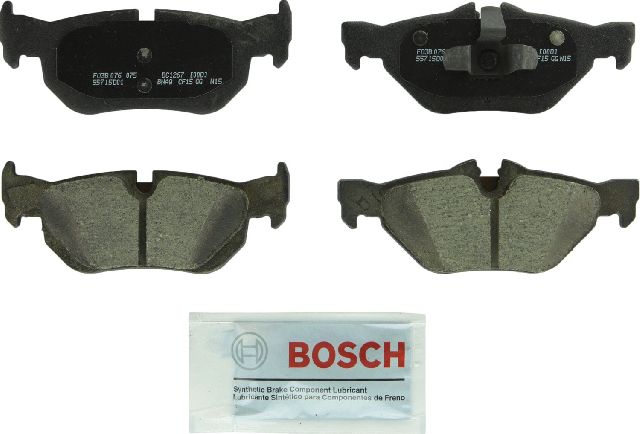
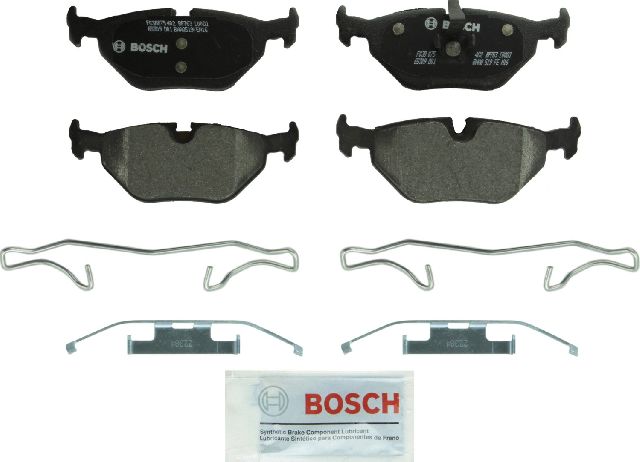
- OEM-Equivalent (Reliable, All-Around): Brands such as Bosch, Centric, Raybestos, and Textar provide a reliable, factory-like feel and performance. Textar is a known OEM supplier for BMW, so their pads will feel very similar to what the car came with, including the dust. Centric Posi-Quiet pads are another well-regarded option that balances performance and low noise.
- Economy (Budget-Friendly): Brands like Dynamic Friction and Pronto offer a cost-effective solution for getting your vehicle back on the road safely. While they meet safety standards, they may not offer the same longevity or refined performance of premium brands.
Pro Tip: Bedding In Your New Brakes
After installing new pads and rotors, it's important to "bed them in." This process transfers a thin, even layer of pad material onto the rotor face, ensuring smooth, quiet, and powerful braking. A common procedure involves several hard slowdowns from about 60 mph to 15 mph without coming to a complete stop, allowing the brakes to cool in between. Always follow the specific instructions provided by the pad manufacturer.
Known Issues, Recalls, and TSBs
Searches for the 2003-2011 BMW 323i (specifically the E90) did not reveal any major recalls directly for the disc brake pads themselves. However, a Technical Service Bulletin (TSB SIB 34 02 23) was issued for some models experiencing brake squeaking at low speeds due to unfavorable tolerances in the front brake discs, recommending disc replacement. Other general brake-related recalls for BMWs have occurred but typically involve other components like the brake booster or ABS system and do not apply specifically to the 323i in this year range. Always check the NHTSA website with your car's VIN for the most up-to-date recall information.
Cost of Replacing Brake Pads on a 2006-2011 BMW 323i
Brake pad replacement is a common maintenance item. Prices can vary based on the parts you choose and who does the work.
| Part/Service | Estimated Cost |
|---|---|
| Aftermarket Pad Set (Front or Rear) | $32 - $177 |
| Brake Wear Sensor (Each) | $9 - $30 |
| Shop Labor (Pads & Rotors, one axle) | $150 - $450 |
| DIY vs. Shop (Pads & Rotors, one axle) | Doing it yourself can save you $150-$450 in labor. |
Frequently Asked Questions (FAQ)
Do I have to replace my rotors with my pads?
It is highly recommended. Most shops and enthusiasts suggest replacing rotors and pads together. This ensures the new pads have a perfectly flat, fresh surface to bed into, which prevents vibrations and maximizes performance. BMW rotors are considered a wear item, just like pads.
Why are OEM BMW brake pads so dusty?
OEM BMW pads use a semi-metallic compound that offers excellent stopping power and initial bite, which contributes to the brand's sporty driving feel. Unfortunately, a side effect of this high-performance compound is a significant amount of dark-colored brake dust.
What's the difference between ceramic and semi-metallic pads?
Ceramic pads, like those from Akebono, are known for low dust, quiet operation, and long life, making them ideal for daily driving. Semi-metallic pads, like OEM and many performance options from Hawk or Brembo, offer a stronger initial bite and better high-temperature performance but create more dust and can be noisier.
How many brake wear sensors does my 323i have?
The E90 323i has two brake wear sensors: one on the front driver's side wheel and one on the rear passenger's side wheel. You must replace the sensor if the brake warning light has been triggered.
Helpful Videos
Technical Specifications
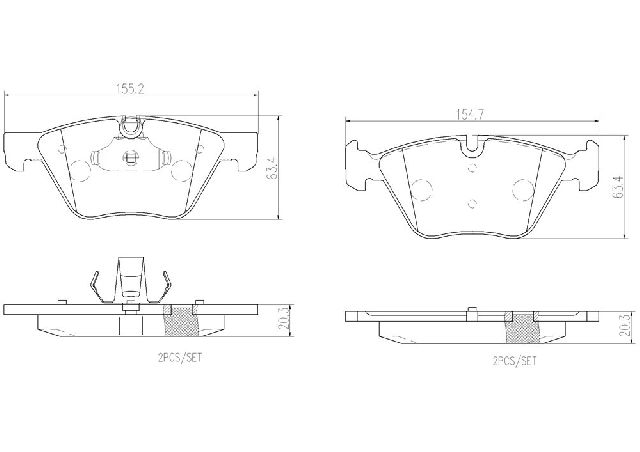
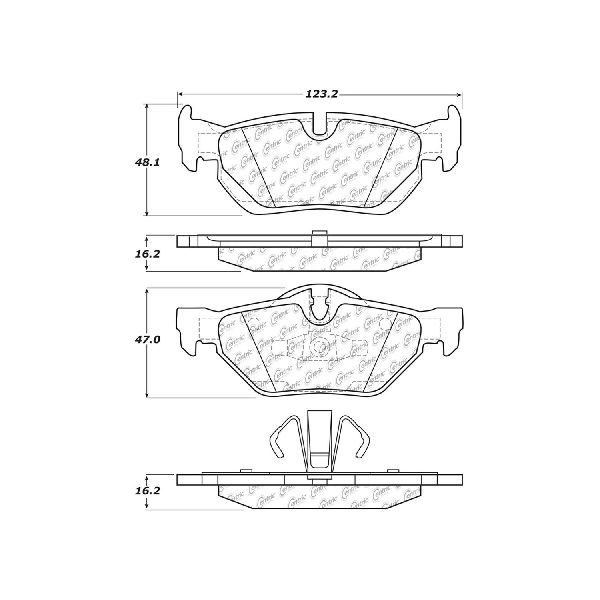
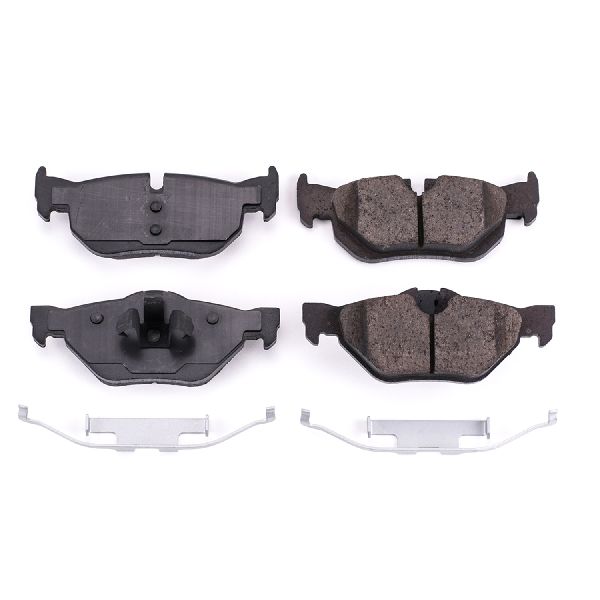
Vehicle uses two (2) electronic brake wear sensors, one for the front axle (driver side) and one for the rear axle (passenger side). Pad material choices include ceramic (low dust) and semi-metallic (high performance, high dust).
We Have This Part in Stock

The information in this article is provided for general reference and educational purposes only. Vehicle specifications, procedures, and part compatibility can vary by production date, trim level, and region. Always consult your vehicle's factory service manual and verify part numbers before purchasing or performing repairs. Safety-critical components such as airbags, seat belts, and braking systems should be installed by a qualified professional.
- BMW 323i:
- 🎬 Helpful Videos
- 🛍️ Shop This Part
- Understanding Your 2003-2011 BMW 323i Brakes
- Common Symptoms of Failing Brake Pads
- A Note on Brake Wear Sensors
- Choosing the Right Aftermarket Brake Pads
- Brand & Material Tiers
- Pro Tip: Bedding In Your New Brakes
- Known Issues, Recalls, and TSBs
- Cost of Replacing Brake Pads on a 2006-2011 BMW 323i
- Frequently Asked Questions (FAQ)
- 🎟️ Get 5% Off