

Chrysler 300 HVAC Heater Hose Guide for 2003-2011 Models
Don't let a brittle plastic connector leave you without heat or stranded with a coolant leak.
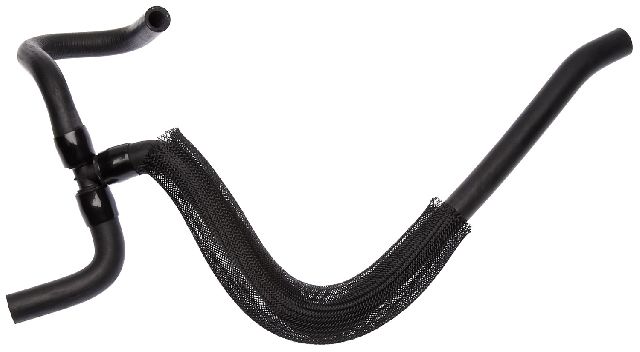
- The plastic 'T' connector in the original hose is the most common failure point; look for an aftermarket replacement with a metal 'T' for better durability.
- Symptoms range from no cabin heat and coolant leaks to critical engine overheating.
- Gates and Continental are considered top-tier aftermarket brands for this part, offering excellent quality and fit.
- Replacement cost and difficulty vary greatly by engine; V6 models like the 3.5L can be much more labor-intensive than the V8 models.
Symptoms of a Failing Heater Hose on a Chrysler 300
The heater hoses on the 2003-2011 Chrysler 300, especially those with V6 and V8 engines, have a known weak point: the plastic 'T' connectors. These connectors can become brittle from heat and time, leading to cracks or complete failure. When this happens, you'll notice some clear warning signs.
- Coolant Leaks: This is the most obvious symptom. You may find puddles of sweet-smelling coolant (usually orange, pink, or green) under your car, typically towards the back of the engine near the firewall.
- No Cabin Heat: If the hose is clogged or has a major leak, not enough hot coolant will reach the heater core, leaving you with cold air from the vents.
- Sweet Smell: You might smell a sweet, syrupy odor inside or outside the car. This is the smell of leaking antifreeze.
- Steam from Engine: If coolant leaks onto hot engine parts, it will create white steam that comes from under the hood.
- Engine Overheating: A significant coolant leak will cause the engine temperature to rise, which can lead to serious engine damage if not addressed quickly.
Check the Plastic 'T' Connector
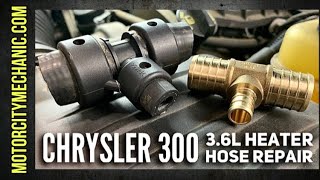
A very common failure on these models is the plastic T-fitting in the heater hose assembly, which can crack or completely disintegrate. If you suspect a leak, this is the first place to look. Some owners and mechanics even perform a DIY fix by replacing the plastic 'T' with a more durable brass plumbing fitting.
Choosing the Right Aftermarket Heater Hose
When your original heater hose fails, you don't have to go back to the dealer. Aftermarket parts offer a range of quality and price points. For a part this critical, it's best to avoid the cheapest options and focus on reputable brands known for quality materials.
Brand Quality Tiers
Based on owner experiences and mechanic feedback, here’s how the available brands generally stack up for your Chrysler 300:
- Top Tier (OEM Quality or Better): Gates and Continental are widely regarded as top-tier aftermarket brands, often manufacturing parts for automakers directly. Many Gates and other aftermarket hoses for the 300 feature upgraded aluminum T-connectors 🎬 Watch a professional repair the heater hose on a 3.6L engine. to fix the original plastic weak point. These brands are an excellent choice for reliability and fitment.
- Solid Mid-Grade: Dayco is a well-respected brand that offers a good balance of quality and cost. Their hoses are known to be durable and are a reliable choice for a daily driver.
- Standard Replacement: ACDelco is GM's parts brand, but for non-GM vehicles like your Chrysler, they often re-brand parts from other manufacturers. Quality can be good, but it's not always as consistent as brands that specialize in hoses like Gates or Dayco.
Pro Tip: Inspect Before You Install
No matter which brand you choose, always compare the new hose assembly to your old one before starting the installation. Check that all the bends, lengths, and connector orientations match perfectly. This simple step can save you a lot of frustration.
Cost of Replacing a Chrysler 300 Heater Hose
The cost can vary significantly based on your engine and whether you do it yourself or hire a mechanic. On some engines like the 3.5L V6, the hose is buried under the intake manifold, which increases labor time and cost.
| Part/Service | Estimated Cost |
|---|---|
| New Aftermarket Part | $17.67 - $97.57 |
| Shop Labor | $125 - $400+ |
| Total Professional Replacement | $145 - $500+ |
Cost estimates are for reference only and can vary by location, vehicle engine, and specific part. The higher labor cost reflects jobs requiring removal of the intake manifold.
Frequently Asked Questions
Can I just replace the broken plastic 'T' fitting?
Yes, many owners have successfully done this. Instead of buying the whole hose assembly, they cut out the broken plastic 'T' and replace it with a 1" x 1" x 1/2" brass or metal PEX 'T' fitting from a hardware store, securing it with hose clamps. This is often a cheaper and more durable long-term repair.
Are there any recalls on the heater hose?
No, there are no official NHTSA recalls for the HVAC heater hose on the 2003-2011 Chrysler 300. The common failure of the plastic T-connector is a well-known issue but has not resulted in a safety recall.
Is this a difficult DIY job?
The difficulty depends on your engine. On 5.7L V8 and 3.6L V6 models, the hose is often accessible at the back of the engine, making it a moderately difficult job for a DIYer. 🎬 Watch this step-by-step heater hose repair on the 5.7L V8 engine. On 2.7L and 3.5L V6 models, the hose assembly may be located under the intake manifold, which is a much more advanced and time-consuming repair.
🎬 See how to replace the heater hose on 2.7L V6 models.What kind of coolant should I use for my Chrysler 300?
It is critical to use the correct type of coolant specified for your vehicle's year and engine. Using the wrong type can cause damage to the cooling system. For most of these models, a Hybrid Organic Acid Technology (HOAT) coolant is required, but later models may use Organic Acid Technology (OAT). Always check your owner's manual or the coolant cap for the specification (e.g., Mopar MS-9769 or MS-12106) and use a 50/50 mix with distilled water.
Helpful Videos

Technical Specifications
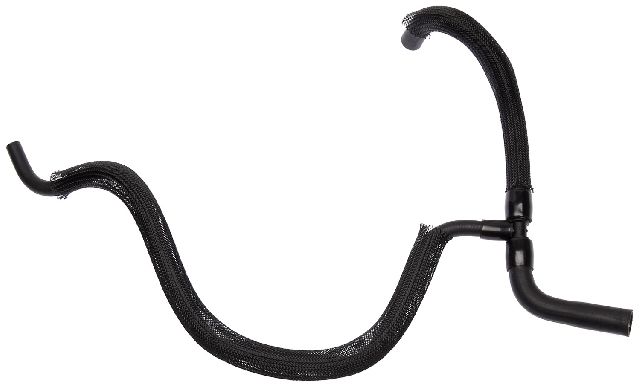
Material is typically EPDM rubber with plastic or aluminum connectors. Molded hoses are designed to fit the specific routing of the Chrysler 300 engine bay. Common failure point is the plastic T-connector on many original and aftermarket versions.
We Have This Part in Stock

The information in this article is provided for general reference and educational purposes only. Vehicle specifications, procedures, and part compatibility can vary by production date, trim level, and region. Always consult your vehicle's factory service manual and verify part numbers before purchasing or performing repairs. Safety-critical components such as airbags, seat belts, and braking systems should be installed by a qualified professional.
- Chrysler 300: