

A Guide to Replacing Steering Tie Rod Ends on Your 2005-2011 Chrysler 300
Fix steering play and clunking noises by choosing the right tie rod ends for your Chrysler 300.
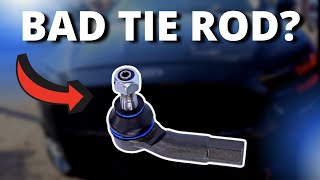
- Symptoms of failure include clunking noises, a shaky steering wheel, and uneven tire wear.
- A completely failed tie rod can cause a loss of steering control; do not drive if the part is rattling loudly.
- Premium aftermarket brands like Moog, Mevotech, and Delphi are highly recommended for durability on the heavy Chrysler 300.
- A professional wheel alignment is mandatory after replacing any tie rod end to prevent tire damage and ensure safety.
Is Your Chrysler 300 Making Noise When You Turn?
The first-generation Chrysler 300 (2005-2010) and the early second-generation models (2011) are heavy cars, and their weight puts a lot of stress on front suspension components. One of the most common wear items is the steering tie rod end. If you're hearing clunking or popping noises when turning at low speeds, feeling a shaky steering wheel, or noticing your tires are wearing unevenly on the edges, it's very likely your tie rod ends are worn out. You might also feel a looseness or "play" in the steering, where it feels like the car wanders on the road.
🎬 Watch: See and hear the common symptoms of bad tie rods.Don't Ignore the Symptoms
A rattling tie rod end is a serious safety issue. If the joint fails completely, you can lose steering control of that wheel, which could lead to a crash. It is not safe to drive with a tie rod end that is audibly rattling or has significant play.
Known Issues, Recalls, and Service Bulletins
While there are no widespread recalls specifically for the Chrysler 300's tie rod ends within the 2005-2011 model years, Chrysler did issue recalls for other vehicles (like Ram trucks) that used similar Mopar service replacement parts. This highlights the importance of using quality components. Owners have reported that the front suspension components, including tie rods, are a known weak point that requires replacement over the life of the vehicle, often due to the car's weight.
Choosing the Right Aftermarket Tie Rod End
When replacing your tie rod ends, you have a choice between OEM (Mopar) and a wide range of aftermarket brands. For a vehicle of this age, a quality aftermarket part can offer excellent value and, in some cases, improved durability over the original design.
Here’s a breakdown of brand tiers to help you choose:
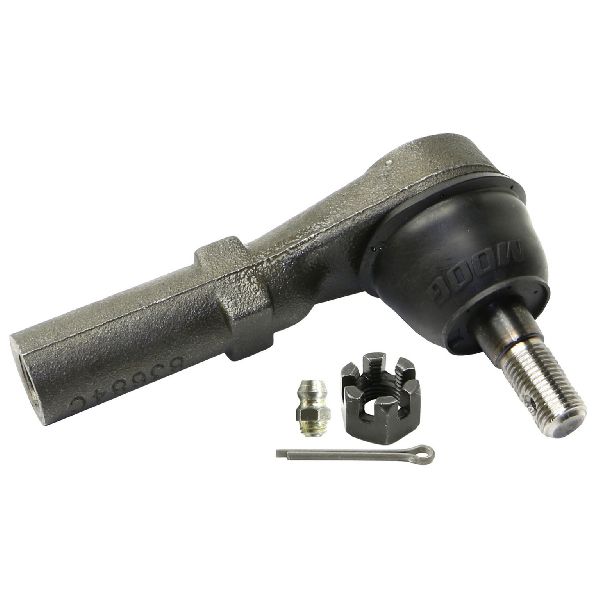
- Premium Brands (Moog, Mevotech Supreme, Delphi): These brands are often considered top-tier in the aftermarket. Moog is well-known for its "Problem Solver" line, which often features designs that are beefier than the original part and include grease fittings for longer life. 🎬 Watch: Learn why Moog parts are a popular aftermarket choice. Mevotech's premium lines and Delphi are also reputable choices that many mechanics trust. These are a great option if you want a long-lasting repair.
- Standard Replacement Brands (ACDelco, Beck Arnley): These brands aim to provide quality that is equivalent to the original factory part. They are a solid, reliable choice for a daily driver and often balance quality and cost effectively.
- Economy Brands (QuickSteer, Dorman, and others): While the low price is tempting, economy brands can be a hit-or-miss in terms of quality and longevity. They might be a suitable option for a car you don't drive often or plan to sell soon, but for a long-term fix on a heavy car like the 300, investing in a mid-grade or premium part is often worth the extra cost.
A Note on Greasable Joints
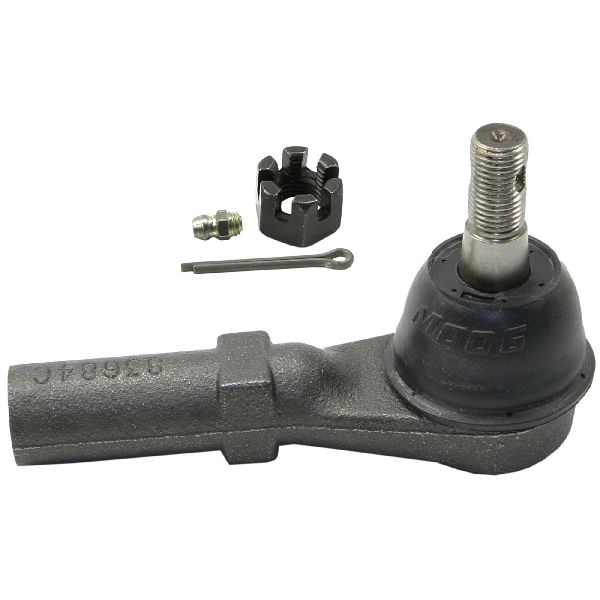
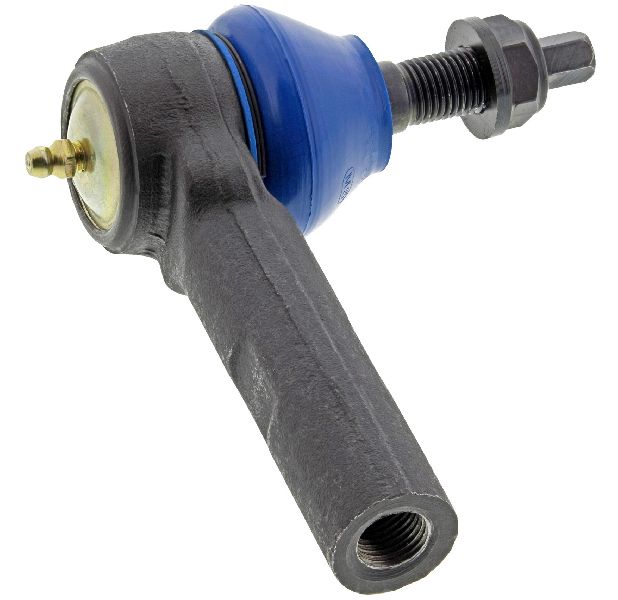
Many premium aftermarket tie rods (like those from Moog) include a zerk fitting so you can add grease periodically. The original Mopar parts are often sealed and non-greasable. A greasable joint can last longer, but only if it is maintained. If you're not likely to grease your suspension parts, a high-quality sealed joint may be a better option for you.
| Part Type | Price Range (Per Side) |
|---|---|
| New Aftermarket (Economy) | $15 - $35 |
| New Aftermarket (Standard/Premium) | $35 - $116 |
| New OEM (Mopar) | $70 - $150+ |
| Shop Labor (Per Side) | $100 - $200 |
| Required Wheel Alignment | $80 - $150 |
Note: Prices are estimates and can vary based on location, brand, and vehicle specifics (RWD vs. AWD). A wheel alignment is NOT optional after replacement.
Frequently Asked Questions (FAQ)
Do I need to replace the inner and outer tie rods at the same time?
Not necessarily. A mechanic can check which part is worn. However, if one is bad, the other may not be far behind. Since you need an alignment after replacing either, many owners choose to replace the inner and outer tie rods at the same time to save on future labor and alignment costs.
Is there a difference between RWD and AWD tie rods?
Yes, there can be differences in part numbers and design between Rear-Wheel Drive (RWD) and All-Wheel Drive (AWD) models. It is crucial to order the correct part for your specific drivetrain. Always verify fitment before purchasing.
Can I replace a tie rod end myself?
Yes, this is a DIY-feasible job for someone with mechanical experience and the right tools. You will need a jack and jack stands, a good socket set, and a way to separate the tie rod from the knuckle (either a pickle fork or a large hammer). It is important to count the turns when removing the old tie rod to get the new one close to the correct length, but you will still need a professional alignment immediately after.
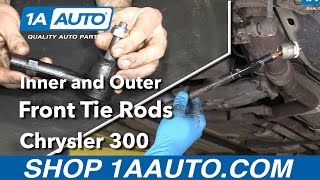
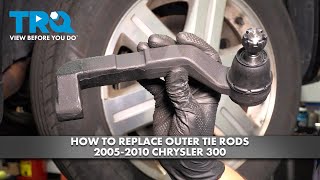
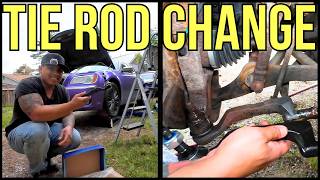
🎬 See this walkthrough for replacing both inner and outer tie rods.Why is a wheel alignment required after replacement?
The tie rods control the "toe" angle of your front wheels. Replacing them will change this angle, even if you are very careful. Driving without an alignment will cause rapid and uneven tire wear, poor handling, and a crooked steering wheel.
Helpful Videos
Technical Specifications
OEM Part Numbers: 68156905AA 68382397AB
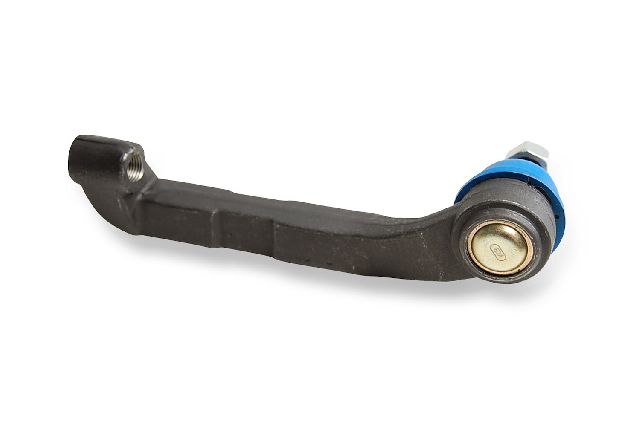
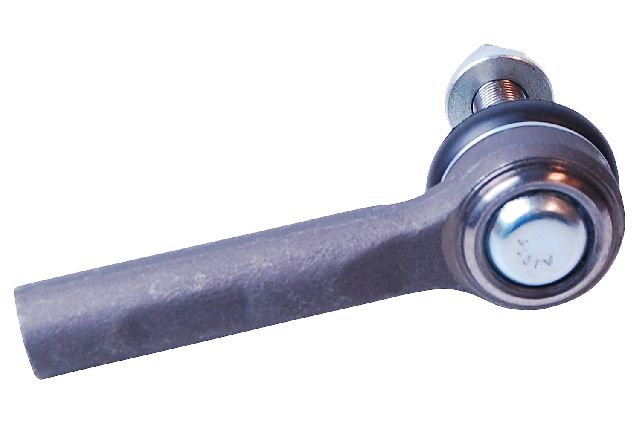
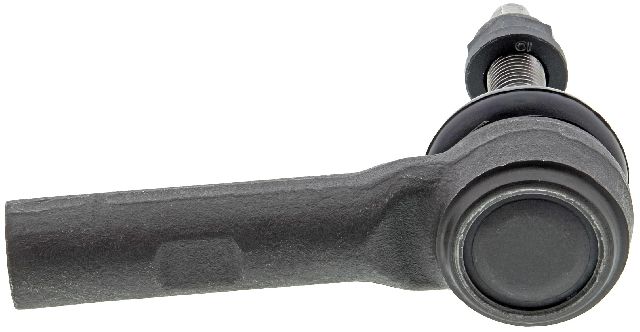
The Chrysler 300 uses a rack and pinion steering system with separate inner and outer tie rod ends for each front wheel. The outer tie rod connects to the steering knuckle via a tapered ball stud. Torque for the outer tie rod nut is typically around 63 ft-lbs, but always verify specs for your specific part and year.
We Have This Part in Stock

The information in this article is provided for general reference and educational purposes only. Vehicle specifications, procedures, and part compatibility can vary by production date, trim level, and region. Always consult your vehicle's factory service manual and verify part numbers before purchasing or performing repairs. Safety-critical components such as airbags, seat belts, and braking systems should be installed by a qualified professional.
- Chrysler 300: